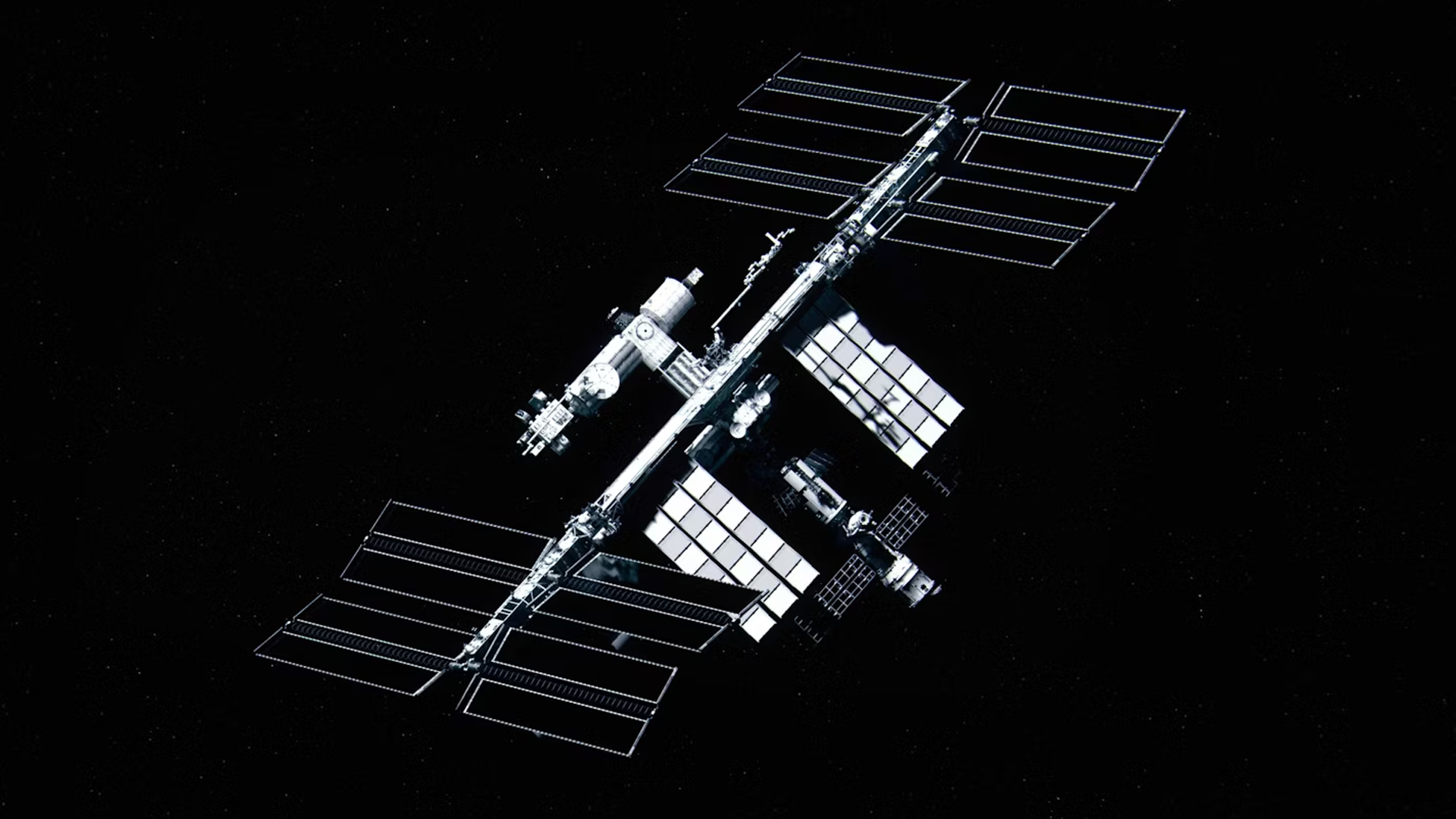
Nasa astronauts return to Earth after months on ISS
Suni Williams and Butch Wilmore have returned to Earth safely after being stuck on the International Space Station (ISS) for more than nine months. Two Nasa astronauts that were stuck onboard the ISS for over nine months have been rescued and safely returned to Earth. They were left stranded in...
Current in Science

Private commercial vehicle Blue Ghost lands on the Moon
Blue Ghost becomes the second commercial vehicle to ever land on the Moon. Launched by US firm Firefly Aerospace, the project is a collaboration between NASA and several private companies. Another space vehicle has successfully made the trip between Earth and the Moon. Blue Ghost was launched on January 15th...

Katy Perry to be launched into space on Blue Origin flight
Following the release of her ‘143’ album, Katy Perry will be flung into space as part of an upcoming all-women flight on Blue Origin’s New Shepard rocket. Singer and pop star Katy Perry will be heading to space early this year alongside Jeff Bezos’ fiancée Laure Sanchez, as well...
Ancient Egyptian mummies still smell pleasant after 5,000 years
Even after spending millennia entombed in stone sarcophagi, some ancient Egyptian mummies still emit a surprisingly pleasant scent, research has discovered. In a recent study combining science with sensory exploration, researchers have discovered that ancient Egyptian mummies, some preserved for over 5,000 years within their sarcophagi, emit surprisingly...
Oxford scientists achieve teleportation with quantum supercomputer
A team of Oxford scientists has just potentially paved the way for the large-scale, practical use of quantum supercomputers. Humanity has finally solved the puzzle of teleportation – in the world of quantum supercomputers, that is. A group of Oxford scientists believe their breakthrough will be huge in bringing quantum...
Why are we still obsessed with protein?
High-protein recipes have dominated food trends for the past ten years, and thanks to social media their popularity persists. But do we really need to eat so much protein? And if the answer is no, why do these diets have such a hold on us? Protein’s reputation as the ultimate...


Does practicing gratitude make you more generous?
It’s long been theorised that giving thanks can cultivate a stronger desire to be giving. Now, there’s neuroscience to back this up, with recent research revealing a link between a grateful brain and an altruistic one. If you’re into mindfulness, then you’ll know how transformative it can be to practice gratitude. Actually, even if you’re not into all that self-reflection stuff, I’m sure that at one point or another you’ve noticed...

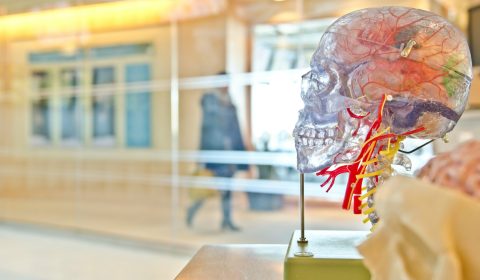
Does the human brain have a microbiome?
Though it’s long been assumed that bacteria can’t survive in the human brain, neuroscientists have recently been surprised to discover that it may harbour all sorts of micro-organisms. In recent years, gut health has been all the rage. This is because our understanding of the function and importance of the microbiome that lives in our intestines has improved, particularly in relation to maintaining the immune system. A microbiome is a community...
Home-based brain simulation therapy improves depression symptoms
Recent advancements in transcranial direct current stimulation (tDCS) offer new, accessible at-home options and change the course for depression treatments. Depression affects individuals uniquely, with symptoms and underlying causes that vary widely. For some, depression may stem from biochemical imbalances, while for others, it could be linked to traumatic experiences, environmental factors, or genetic predispositions. This complexity makes a ‘one-size-fits-all’ approach ineffective for many patients. Research into depression treatment is currently experiencing...

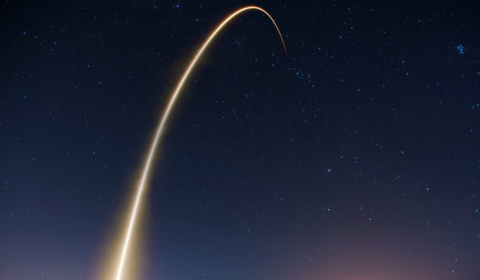
Space travel might be worse for human health than scientists thought
New research by a British non-profit suggests that the health consequences of being in space may be more serious than originally believed. As far as suitable environments go, space in pretty uninhabitable. Not only does it lack oxygen, but the atmosphere is either far too hot or far too cold for humans to survive in without help from special suits and space stations. Even when provided these forms of protection, astronauts...