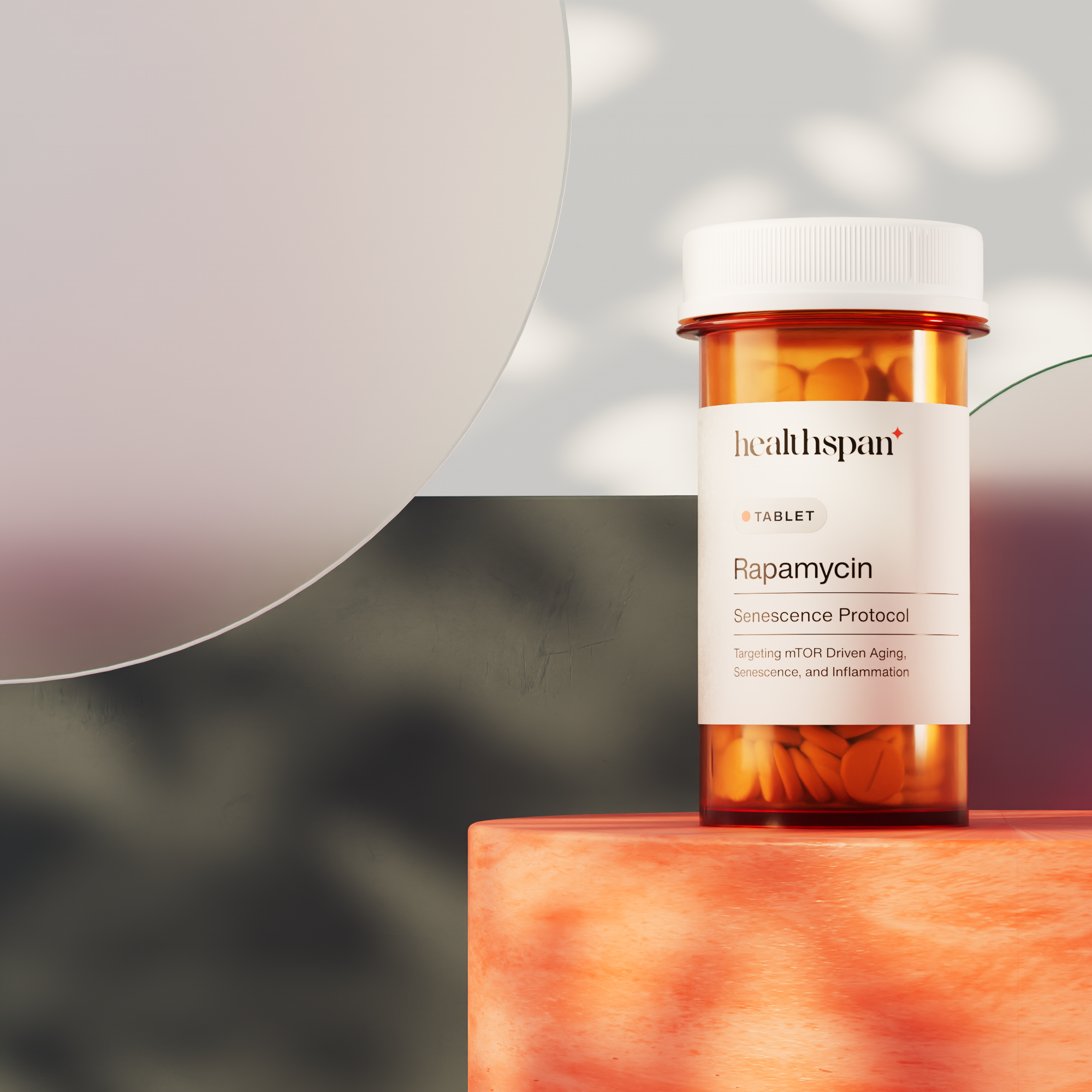
Rapamycin, a drug commonly used to prevent organ transplant rejection, appears to lessen the number of egg follicles released during women’s menstrual cycles with no adverse side effects. Scientists say this could extend female fertility by up to five years.
Though couples are waiting longer on average to have children, reasons for doing so are often varied.
Some are worried about the cost of having kids, while others want to travel more, further their education, or advance in their career. Those concerned about the climate crisis fear bringing a child into the world when the future of our planet’s health remains uncertain.
Regardless of the reason for holding out, there is one factor likely on the minds of most of these couples: declining fertility. Women, in particular, see a sharp decline in their egg reserves beginning in their 30s. Despite this reality, the average age for first time mothers in the UK continues to rise, now sitting at the age of 32.
The good news is, it’s 2024. Medical science is making incredible discoveries every day, including uncovering the positive effects that commonly used drugs could have on the human fertility window.
One unsuspecting immunosuppressant drug, rapamycin, has become of particular interest.
In lab settings, rapamycin enables cells to survive for longer periods.
The drug often given to those receiving an organ transplants, suppressing patients’ immune system slightly to prevent their body from rejecting a new organ. Rapamycin can also be used to treat vascular conditions by slowing down cell growth, especially in the case of a tumour.
Studies in mice have also suggested that the drug could slow the effects of ageing, more specifically, by preventing age-related muscle loss. In additional research, a single dose of rapamycin per day was successful in extending the lifespan of older mice by 10 percent.
Going further, scientists began observing rapamycin’s effect on mice’s fertility. They found that a daily dose of rapamycin resulted in an increase in female mice’s ovarian reserves. Their litters, despite being born later in the mothers’ life, were healthy.
With these new discoveries in hand, scientists then embarked on pilot study to see if the immunosuppressant could have a similar positive effect on the human reproductive system.
How was the study conducted?
To conduct initial research in humans, scientists recruited 50 perimenopausal women between the ages of 35-45 years.
Over the course of three months, the women either received a weekly dose of rapamycin or a placebo dose. Using transvaginal ultrasounds and numerous blood tests, the researchers monitored each participant’s ovarian reserves.
The study revealed exciting initial results, showing that rapamycin could decrease ovarian ageing by 20 percent without causing any side effects. The researchers estimate that this could amount to as many as 5 additional years of fertility.
Scientists suspect that the positive effect of rapamycin on women’s fertility could be caused by the drug restricting the number of primordial follicles (egg containing sacs) being recruited and activated each menstrual cycle.
They know this because women administered with a weekly dose of rapamycin saw only 15 follicles recruited per cycle, compared to 50 in women of a similar age. Based on these findings, it’s plausible to assume the drug could help to prolong the ovarian reserve, extending women’s fertile age window.
Going forward, scientists have been given the green light to start the next phase of studies. In the next experiment, around 1,000 women will be recruited to monitor the effects of the drug on their reproductive system.
While additional studies are needed before we can celebrate rapamycin as a miracle drug for women’s fertility, it is an exciting prospect – one that could provide women with an added layer of autonomy over when they become mothers.
Deputy Editor & Content Partnership ManagerLondon, UK
I’m Jessica (She/Her). I’m the Deputy Editor & Content Partnership Manager at Thred. Originally from the island of Bermuda, I specialise in writing about ocean health and marine conservation, but you can also find me delving into pop culture, health and wellness, plus sustainability in the beauty and fashion industries. Follow me on Twitter, LinkedIn and drop me some ideas/feedback via email.
A bizarre event saw thousands of supermarket fridges targeted and mountains of food wasted. But as cyber-attacks like these become more common, their destabilising power proves more insidious than silly.
When supermarket staff arrived early on Sunday morning to stock shelves across France, they found food cooking in the freezers. Some chiller cabinets had risen from as low as -27C to well over 50C, and one shop in Normandy reported...
Gamers have started mashing together different video games using AI tools. So far, we’ve seen Mario in Halo, Minecraft in Skyrim, and much more. Mind-bending results aside, the tech required to pull this off has some people worried about online security and digital infrastructure.
Ever wondered what Super Mario 64 would look like in Halo: Combat Evolved? How about Wii Sports in Silent Hill? Fancy a Minecraft session in the...
With Gen AI now capable of creating functional molecular structures, Google has come up with a new system to tackle imminent biosecurity risks that come with such innovations.
Before modern AI, much of computational biology focused on storing, searching, and comparing biological data. Public databases allowed scientists to check whether a newly identified sequence resembled something already known, but that was it.
However, this changed in 2020, when Google DeepMind unveiled...
With America’s space ambitions only continuing to grow, Trump is turning his focus to the industry’s workforce that could keep the US ahead of adversaries like China.
In both his terms in office, aside from immigration and anti-wokeness, President Donald Trump’s focus has increasingly turned towards the space front. In 2019, he established the US Space Force (USSF), emphasising the growing importance of space to national security.
But this interest...
We use cookies to ensure that we give you the best experience on our website. If you continue to use this site we will assume that you are happy with it.































 0 comments