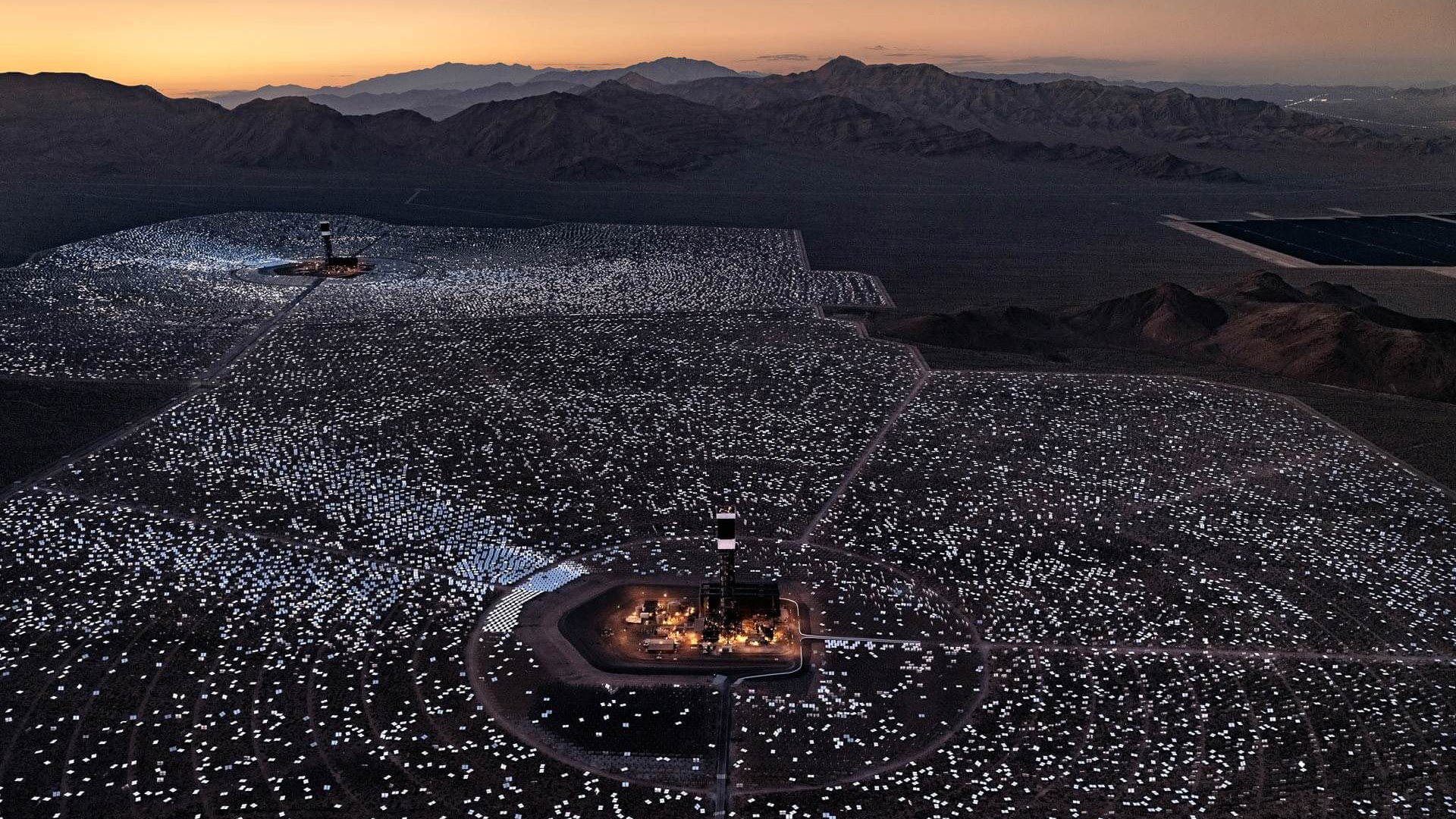
Why the future of energy is sun-powered
As the world turns away from Russian gas, the EU is determined to build up its solar industry. Nations and engineers are already making crucial moves to ensure this happens. Everybody loves the sunshine, as Roy Ayers once said. And why wouldn’t we, when it could be our forever solution to...
Current in Science
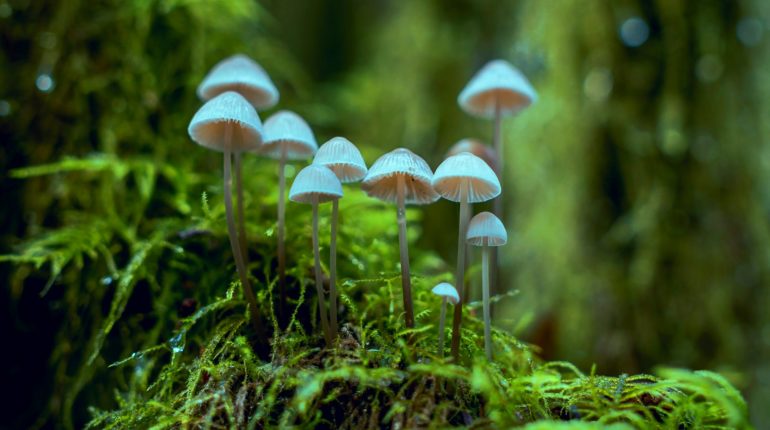
New research suggests fungi may be communicating with ‘words’
As if they weren’t magical enough, scientists have discovered that mushrooms are potentially talking to each other using a bountiful vocabulary which bears a striking structural similarity to human speech. If you aren’t a stranger to my writing, by now I’m sure you’re well aware of my deep-rooted obsession with...
Asteroid mining start-up to raise funds through NFTs
There are several ambitious space initiatives in the works as we speak, and many of them have one thing common: they’re attempting to raise seed funding through NFTs. ExLabs hopes a crypto injection will facilitate its asteroid mining explorations. Since the turn of the year, a host of space start-ups...
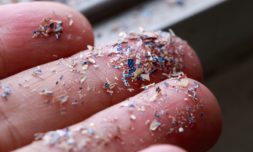
Tiny particles of plastic have been found in human blood
An ‘extremely concerning study’ has detected microplastic pollution in human blood for the first time, with scientists warning that the long-term consequences are not yet known. Just when you thought our plastic pollution problem couldn’t get any worse, a recent study has detected tiny particles of the stuff in...
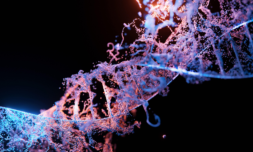
Is the gene-editing technology CRISPR a good idea?
The scientific discovery of a genetic code called CRISPR could help eradicate diseases in humans forever, but could altering genes become a slippery slope? There are over 6,000 known human genetic disorders, with more being discovered and named every day. At the time of writing this, only 10 percent of...
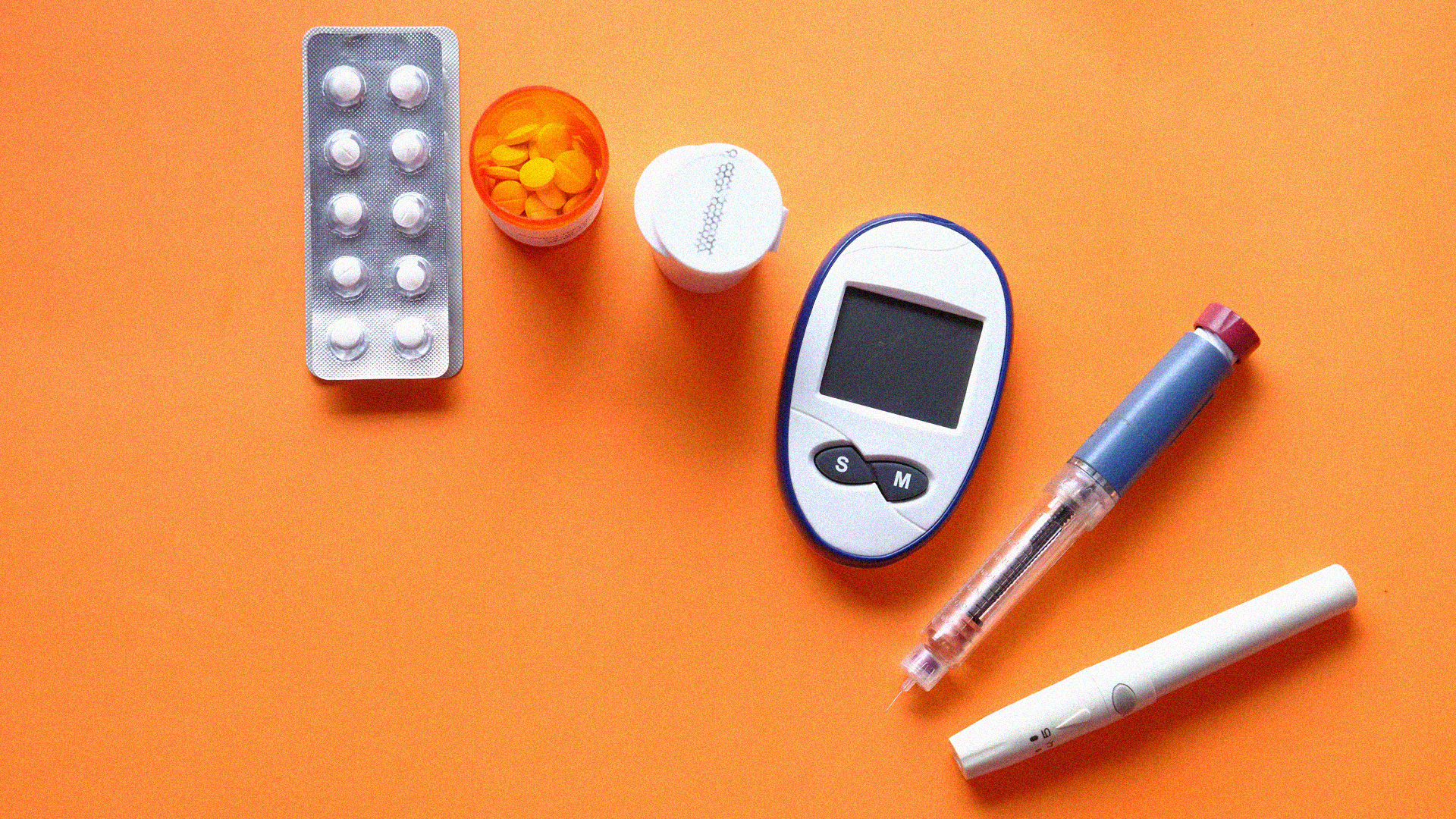
Opinion – How I came to terms with Type 1 diabetes
Getting diagnosed with Type 1 diabetes at 21 was nothing short of life-changing, but in a matter of weeks I have learned there is a silver lining to everything – even chronic health conditions. ‘There will be moments where you’ll think: “Why me?” but you can’t think that way. Because...

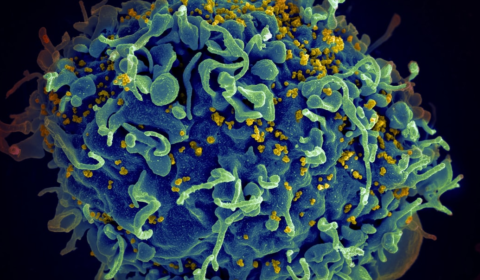
Scientists may have just discovered a breakthrough treatment for HIV
A mixed-race woman appears to be the third person ever to be cured of the virus with a new approach that holds the potential for curing more people of racially diverse backgrounds. Globally, 37.7 million people were living with HIV at the end of 2020 (according to WHO). In Africa, it affects nearly 1 in 25 adults, with the region alone accounting for more than two-thirds of that staggering worldwide...

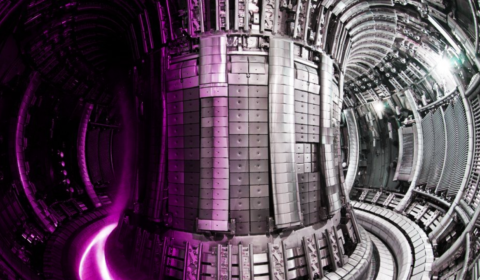
EU scientists make ‘major breakthrough’ in nuclear fusion
EU scientists say they have made a major breakthrough in the quest to make nuclear fusion – the limitless energy source that powers the stars – harnessable for humanity one day. As it stands, the bar for scientific achievements in nuclear fusion isn’t exactly high, but we are, at least, continuing to raise it. Harnessing the unlimited power of the stars may well be key to sustainably powering the globe...

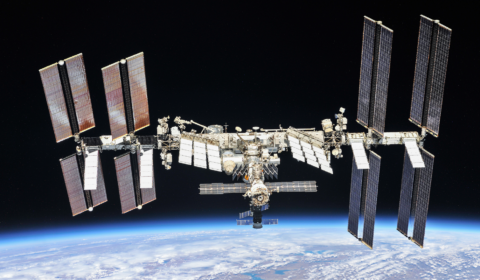
International Space Station will crash land into watery retirement in 2031
The zero-gravity research station will continue operations until 2031, at which point it will re-enter the Earth’s atmosphere for the first time since 1998. Shortly after, it will crash land in a remote region of the Pacific Ocean. After what will be a 33-year lifespan - facilitating on-hand, ground breaking inter-planetary research - the ISS will smash into the Pacific in a fiery blaze of twisted metal. What a dignified...
Study shows climate crisis responsible for shifting Earth’s axis
The constant melting of glaciers as a result of global warming has reportedly caused marked shifts in the Earth’s axis of rotation. Research suggests the length of our days may have even changed by milliseconds since the 90s. It feels like the events of the last few years have turned the world upside down, metaphorically speaking. In reality, it appears we quite literally shifted the axis of Earth’s rotation decades ago...