King Charles advised to abandon Cop27 plans by Liz Truss
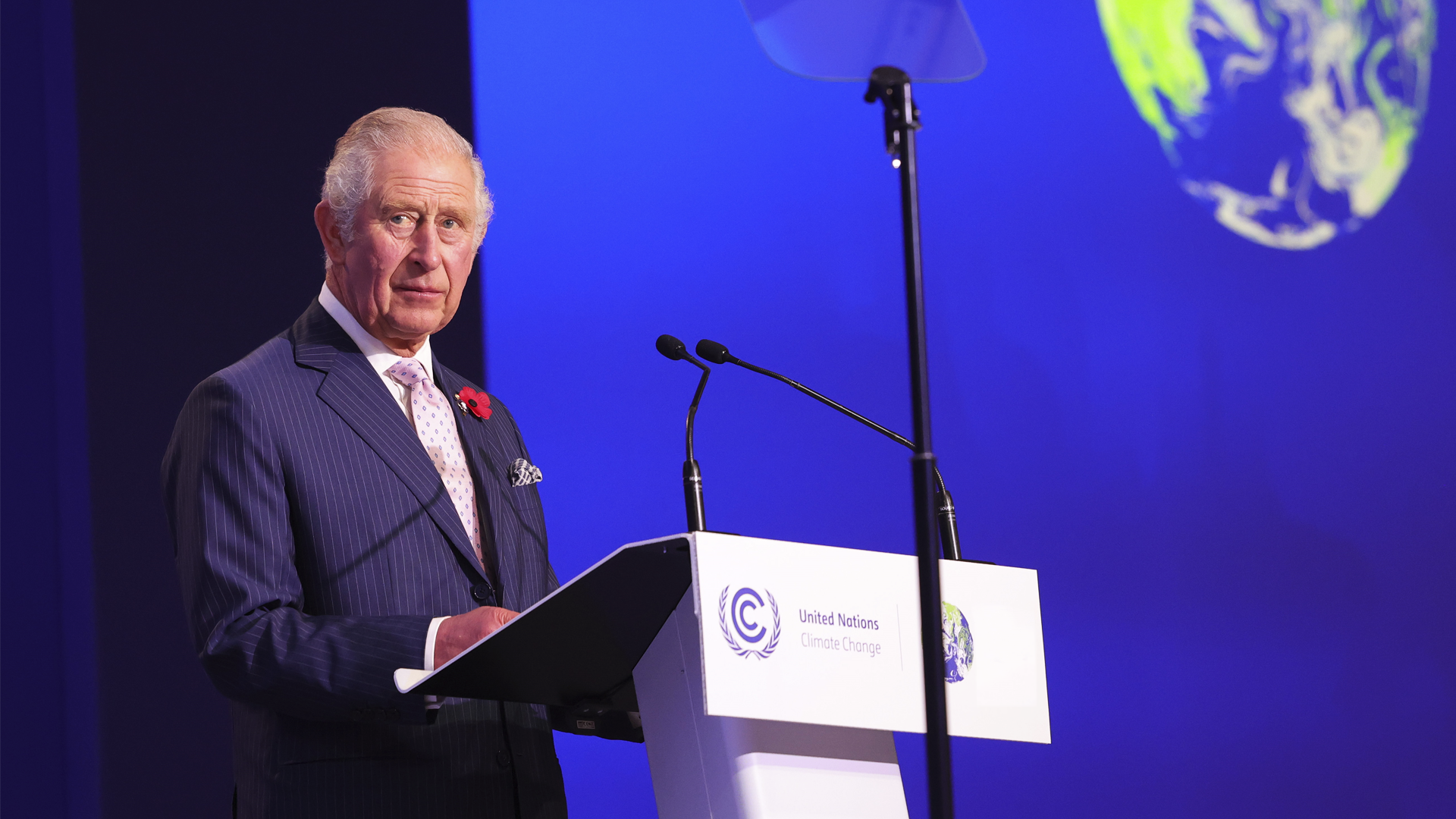
The UK prime minister has reportedly raised objections to King Charles attending Cop27 in Egypt next month. Last year in Glasgow, he called for world leaders to adopt a ‘war-like footing’ on the threat of climate change. Having hosted Cop26 in Glasgow last year, it appears the UK could already...
Current in Planet
Hawaii closes last-standing coal plant and strives for renewables
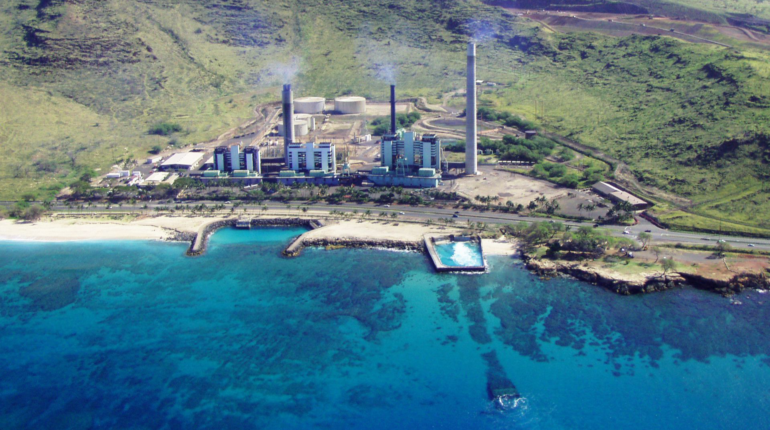
In light of ambitious US green targets, several states are moving towards renewable energy. For the Hawaiian islands, that means closing its last standing coal-powered facility. This week, the Governor of Hawaii David Ige announced that the state’s last remaining coal-fuelled power plant had halted operations for good. The arrival of...
UN member states fail to pass Ocean Treaty on fifth attempt
The high seas are arguably the last lawless place left on the planet. A UN member state meeting in New York hoped to finally create a policy that prevents the overfishing and mistreatment of our oceans – but it has failed. Coastal waters (and all life within them) may...
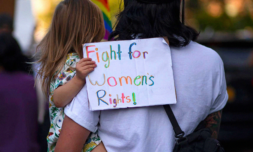
Four accomplishments in gender equality in the 21st century
Only one hundred years ago, women finally received the right to vote in the United States. On National Women’s Equality day, we’re taking a look at how various sectors have become more gender inclusive and where they have room to improve. Achieving true gender equality is an ongoing fight that...
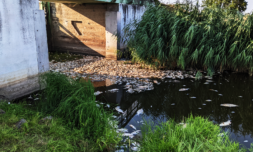
The River Oden wildlife killer case may have been solved
Mass fish, bird, and mollusc deaths were reported in Germany’s River Oder over the months of July and August. Germany’s Liebniz Institute of Freshwater Ecological and Inland Fisheries think they have figured out what could’ve caused it. Golden algae – scientifically known as Prymnesium parvum’ – is a rare and...

Why cycling has to be the future of travel
Getting people to switch from cars to bikes won’t be an easy feat, but if achieved, it would create positive change for the planet, our health, and overall quality of life. In certain parts of the world, cycling is the norm for the majority of the population. The city of Amsterdam...


Forest Green Rovers lead charge on eco-friendly football
Based in Gloucestershire, the Forest Green Rovers have become the world’s greenest football club. Their latest goals are reducing CO2 emitted during travel to and from games and to build a modern stadium made entirely out of timber. It’s unfortunate that most of the things we enjoy emit greenhouse gases into the atmosphere. Whether it’s flying out on holiday, going on road trips, or eating a delicious burger – our knowledge...


This eco-friendly pregnancy test is made entirely from paper
Each year, over 12 million plastic pregnancy tests are thrown out in the UK alone. In a bid to reduce waste caused by single-use plastic items, one company has designed an at home test made entirely out of paper. When listing personal care products that generate unnecessary plastic waste, items like toothbrushes, tampons, or flossing sticks might first come to mind. Bamboo toothbrushes, MoonCups, and water picks have helped us reduce...
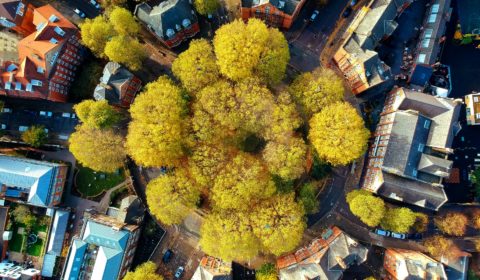
Cities are becoming too hot for trees
According to a new study, climate change is threatening the health and survival of trees grown in urban areas to keep them cool, with more than half of the species already feeling the heat. If you spent your summer in a city, likelihood is you were forced to endure intense, record-breaking heatwaves throughout July. What you may not have been aware of is that, without trees, our efforts to stay...


How the climate crisis has changed perspectives on city design
Architectural innovation will be absolutely vital to help us withstand life in a warmer world. What will future buildings look like and how can we adapt the ones that currently stand? Cities are nothing without their multi-storey buildings and iconic, shiny, glass skyscrapers. We’ve become accustomed to gawking at their modern, funky shapes (the Shard and Gherkin come to mind) and hardly hesitate to kink our necks to admire their...