






 0 comments
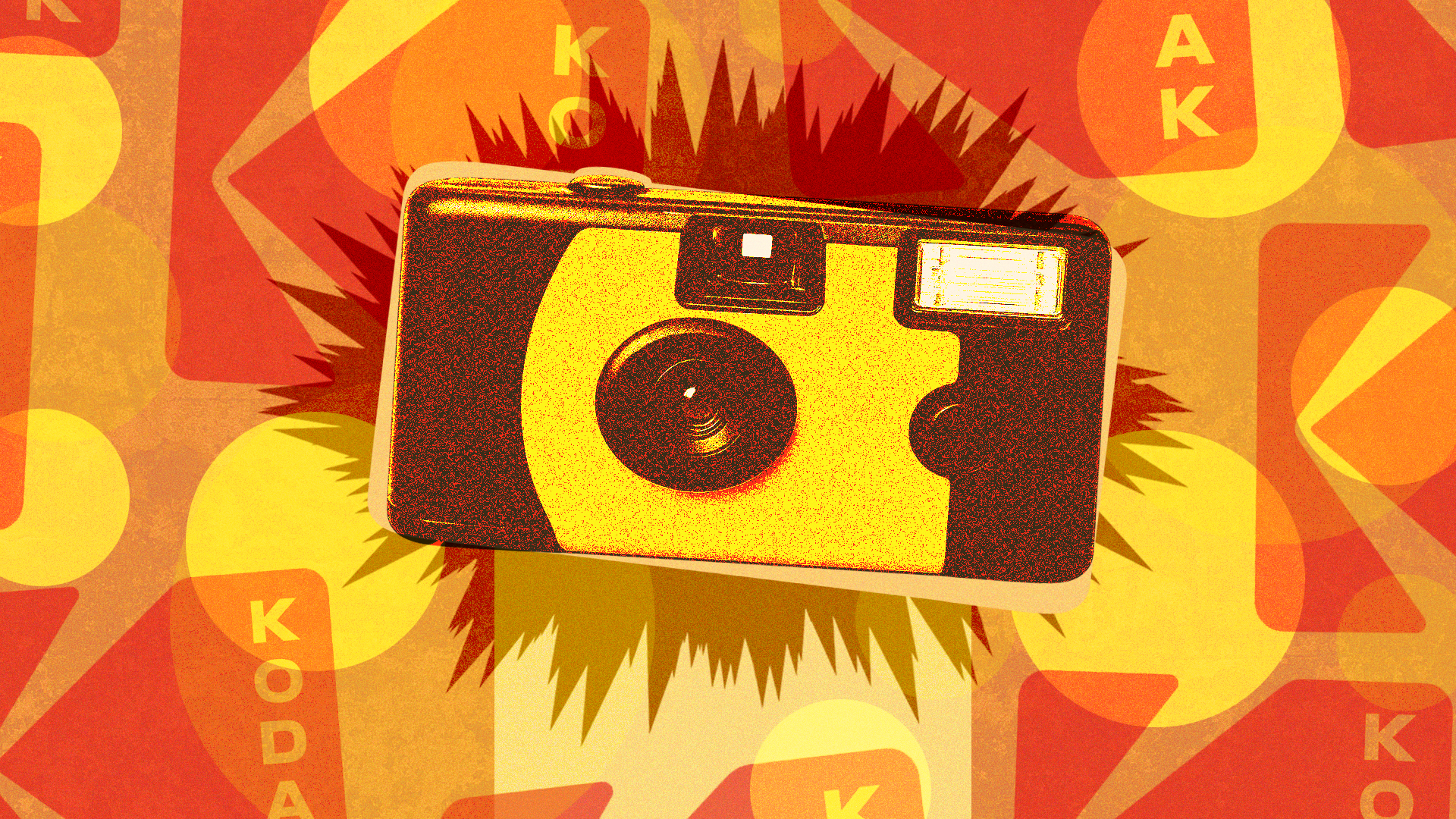
Disposable camera sales are on the rise, following the decade-long resurgence of vinyl records. What’s causing young people to turn back to older technology? Is it novelty, nostalgia, fun, or all three?

According to photography company Kodak, the sale of digital and disposable cameras has doubled over the past five years, with Gen Z leading the charge.
Market experts and analysts chalk the enthusiasm up to a surging desire to be off our screens, more present in the current moment, and less tied to our smartphones. A recent report by data firm ShelfTrend concluded that the disposable camera market was worth over $1 billion USD in 2025, with Gen Z comprising 63% of all consumers.
This forward momentum is expected to stick around, too.
The market is predicted to grow to $2.1 billion USD by 2032, with growing nostalgia for analogue and retro technology being key drivers that are likely to intensify in the coming years. Kodak currently offers a range of products on its website catering to this emerging industry; both digital and disposable cameras can be bought in different colours and sizes, no doubt an attempt to appeal to the TikTok aesthetics of younger consumers.
This explosion in nostalgic technology follows on from the resurgence of vinyl albums.
Once considered redundant, the medium began to rediscover an audience in the mid 2010s as listeners steadily became disillusioned with CDs, downloads and streaming. While far from reliving its heyday, the vinyl industry is now worth $2.1 billion USD and Gen Z are described as being the ‘driving force’ behind its newfound popularity.
So, why are young people turning to older technology like cameras and vinyl?
One obvious reason is that switching off from screens and data tracking can be a great escape from the pressures of modern living. Most of our livelihoods have been condensed down to a single piece of tech, and while it’s certainly convenient to use a phone for everything from messaging to streaming, it means we’re never really truly by ourselves and switched off.
Kodak notes that while Gen Z are purchasing disposable and digital cameras, they’re not doing this to outright replace the tech they currently use. Very few are intending to do away with their phone cameras entirely, but instead are opting for a different medium depending on the context. A trip to the pub? Take a few snaps on your phone. A festival over the weekend, or a wedding? Crack out the disposable.
Vinyl works in a similar way. Unless you’re the ultimate hipster it’s unlikely that you’ll do away with streaming totally, Spotify controversy aside. Most people play albums digitally even if they also own them on physical discs or vinyls at home. The two can coexist together rather than being mutually exclusive. This suggests that analogue technology is serving as a way to genuinely decompress and go ‘off the grid,’ so to speak.
One huge benefit to disposable cameras is that you can’t go back and look over photos too, nor can you add filters or edit them with AI. You can record your event or trip and stay thoroughly focused on what you’re actually doing, rather than fussing over Instagram. It’s good for your mental wellbeing and will probably make you more fun to be around at parties.
Personal ownership is also an enticing element of going all-in on analogue.
Streaming and subscription models have become the standard for any entertainment media now. While perhaps more economically viable (and even then that’s only at a push), these practices force us to own nothing ourselves. We rely on data servers to house the content we want to watch. What happens when they’re inevitably shut down? You’ll likely feel empty handed and short changed.
Actually owning a camera, photos, vinyl or even DVDs means you have those items forever, or at least until they degrade many decades from now. It provides far more security over your purchases and gives consumers a far greater sense of agency. In our digital-only world, having something tangible to consume can be quietly rebellious, in its own strange way.
All that being said, some commentators have pointed out that Gen Z are still motivated by content, personal branding and aesthetics when it comes to retro technology, even if they are attempting to ‘detox’ from social media.
How often do you see a post online of a polaroid compilation or disposable photo collection? Many of us are buying vinyl or cameras for the aesthetic, which may not be super sustainable as a long-term business model, even if current predictions are optimistic.
It’s important not to get caught in a potential hype bubble, and it might be worth watching the trajectory of disposable and digital camera sales over the next few years before definitively concluding that they’re here to stay. Gen Z may be feeling nostalgic and enjoying the novelty for the time being, but that might not last, especially as they grow into adulthood and face harsher economic stresses in the coming years.
Let’s take a few fun pictures for now though, eh?
See also:
- Are Gen Z social media apps sustainable long-term?
- How are Gen Z changing the way we socialise?
- Analysing the Gen Z European travel boom