






 0 comments
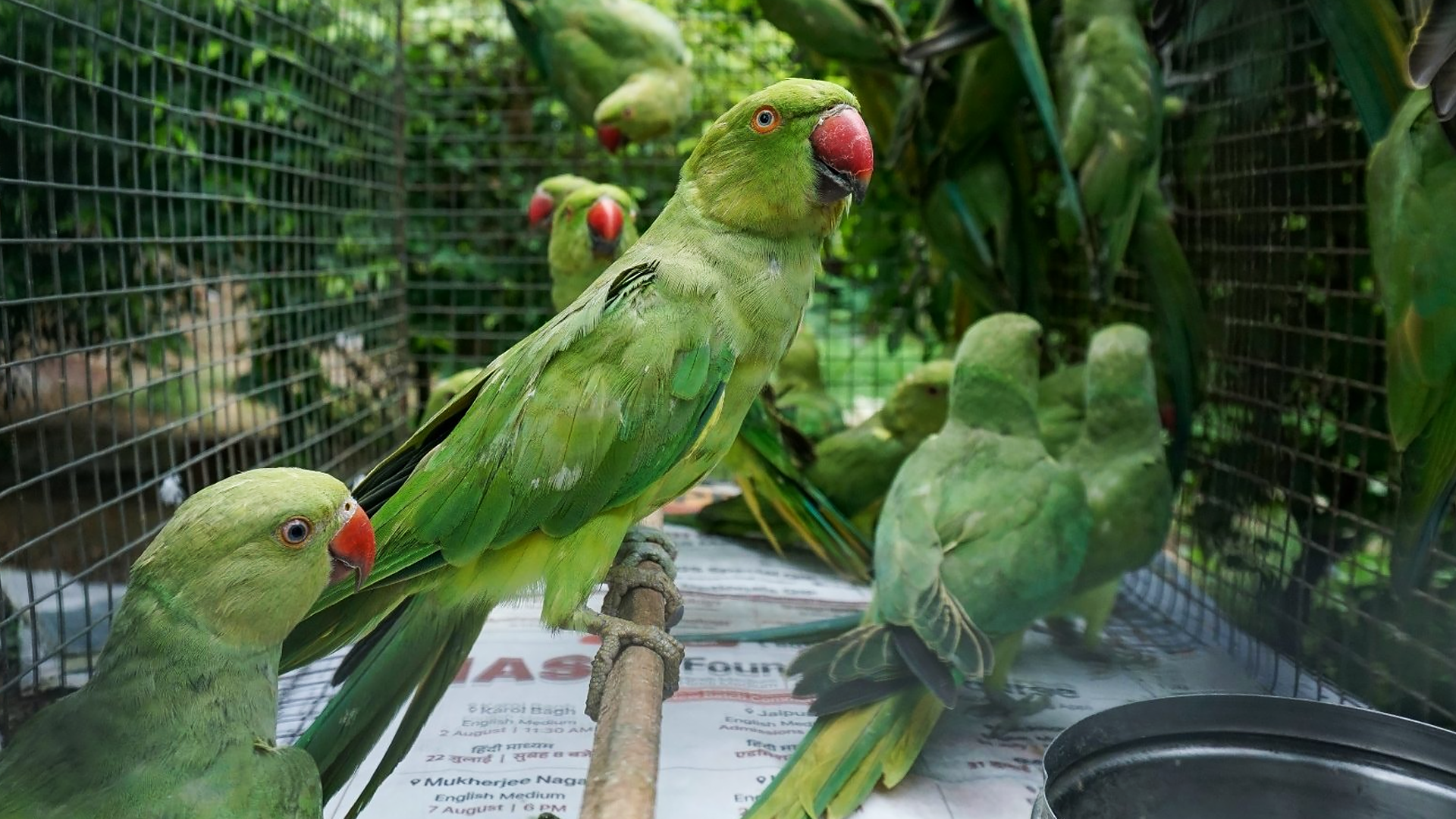
Nigeria’s customs agency caught more than 1,600 parrots and canaries headed to Kuwait. Officials call this the country’s ‘largest’ wildlife-trafficking bust by number.
The shipment was seized at Lagos’ Murtala Muhammed International Airport. This incident is indicative of a broader, ongoing issue – Nigeria as a source and transit point for illegal wildlife trade, which treaties such as CITES (the Convention on International Trade in Endangered Species of Wild Fauna and Flora) attempts to combat.
However, poor enforcement capability and scant border security allow wildlife traffickers to engage in business unhindered. Borders remain porous due to a lack of resources.
BirdLife International reports that the illegal wildlife trade brings in between $7 and $23 billion. This makes it the 4th most profitable cross-border crime right behind drugs, weapons, and human trafficking.
Singing competitions popular in some Middle Eastern and Southeast Asian regions have boosted the demand for songbirds like canaries. Rare parrots, some critically endangered, can exceed $1,000 per bird in global markets.
There is appeal beyond aesthetics. Some buyers desire rare feathers for fashion or home decoration. Others keep birds as status symbols. The trade has become so commonplace that complete smuggling networks exist that routinely source, transport, and launder illegally taken birds using fictitious documentation.
Ecological implications
The extraction of wild birds as a class from their ecological niche can have very detrimental effects. Parrots and other seed dispersers are extremely important in maintaining healthy ecosystems, in regenerating forests, and determining insect populations. Over-extraction is an all too real problem and has adverse effects by degrading habitats and diminishing biodiversity.
For species likely already facing pressures from deforestation, habitat fragmentation, and climate change, wildlife trafficking adds pressure to already limited populations and pushes species closer to extinction. Many parrot species in West Africa, including the African grey, have seen their wild populations drop by over 90% in some regions due to traps set up just for the wildlife trade.