Scientists explore human waste as substitute for polluting fertilisers
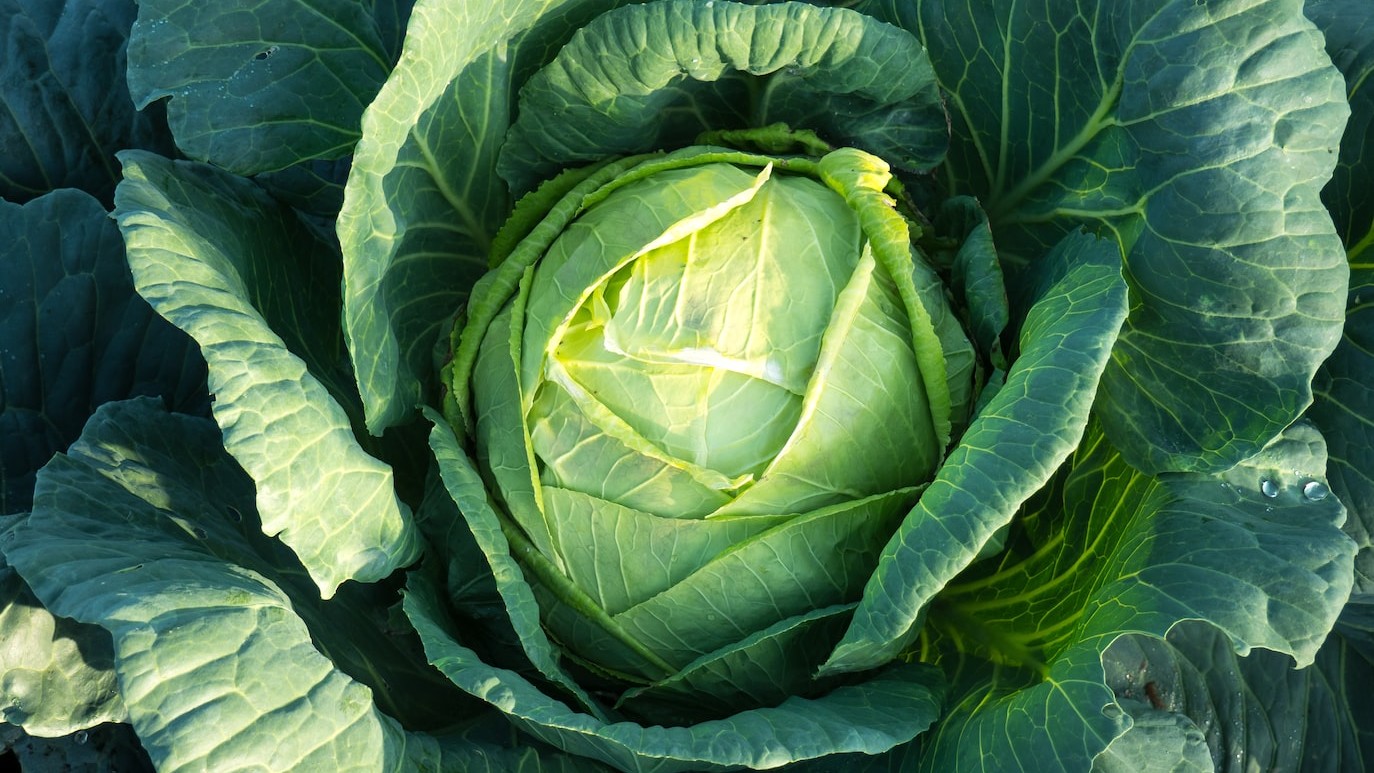
New research has ascertained that yields from crops fertilised with human faeces and urine rival those produced by organic methods, with no risk of transmitting disease. If you’d told me a few years ago that human waste would eventually be used as a food-safe fertiliser, I likely would’ve found it...
Current in Science
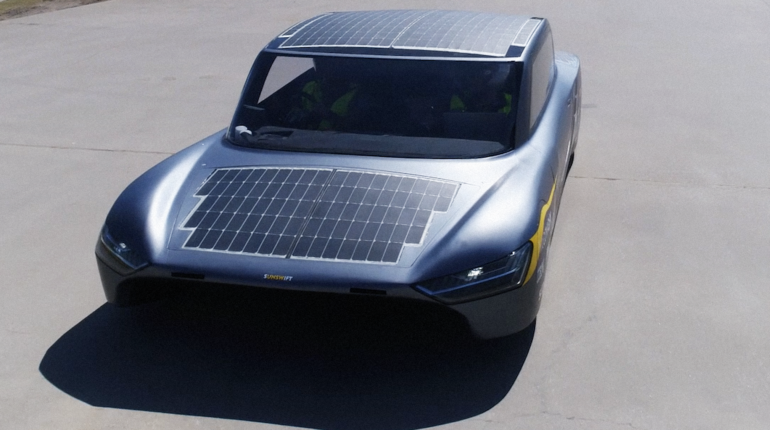
Students build fastest ever solar-powered car Sunswift 7
Engineering students at the University of New South Wales Sydney have built a solar-powered race car that has broken records. It is the first of its kind to cover 621 miles in under 12 hours. Who says electric vehicles have to be slow? With constant advancements in the green vehicle...
Scientists make historic breakthrough in quantum entanglement
Scientists at Brookhaven National Laboratory have uncovered a new kind of quantum entanglement, giving us an insight into a freaky phenomenon that causes particles to be intrinsically linked across cosmic distances. We’re about to explain a scientific phenomenon that once bamboozled a certain Albert Einstein, so grab a coffee and...
Study shows coronavirus can have long-term effects on the brain
Researchers have found differences in the frontal lobe and brainstem of recovered COVID-19 patients when compared to healthy people. These changes are linked to issues such as anxiety, insomnia, fatigue, and other cognitive abnormalities. Feeling out of whack despite finally testing negative for COVID? A recent small study may have...

NASA says astronauts will be living on moon by 2030
Think inhabiting the moon is stuff of science fiction fantasy? One NASA official reckons it will be a reality by the end of this decade, with the latest Artemis 1 mission the ‘first step.’ Astronauts could be living and working on the moon by 2030, one NASA official says. Head of...

Scientists have made a huge nuclear fusion breakthrough
In the quest to unlock a ‘near-limitless, safe, clean’ source of energy, researchers in the US have reportedly succeeded in sparking a fusion reaction that created more energy than it consumed. According to the Financial Times, US government scientists have made a breakthrough in the pursuit of limitless, zero-carbon...

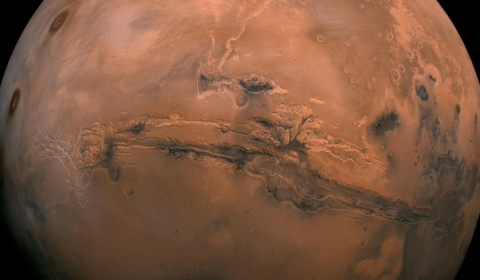
Evidence of an ancient ocean has been discovered on Mars
Mars might look dusty and arid to us today, but scientists have uncovered evidence that it was home to a vast ocean around 3.5 billion years ago. This discovery bolsters the theory that life once existed on the red planet. It seems like our understanding of the planet Mars continues to expand on a monthly basis. Thanks to five robotic vehicles exploring the dusty planet’s landscape, samples of Martian rock...

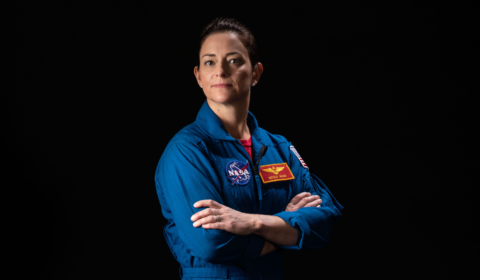
Nicole Mann becomes first Indigenous woman in space
Mann – a NASA astronaut – has become the first Native American to travel into space. Last Wednesday NASA launched its SpaceX Crew Dragon capsule to the International Space Station. On board were a team of NASA crewmates; Anna Kikina, Josh Cassada, and Koichi Wakata. Their commander was Nicole Aunapu Mann – a Native American woman and NASA astronaut of almost 10 years. Mann’s journey on the SpaceX Crew Dragon makes her...

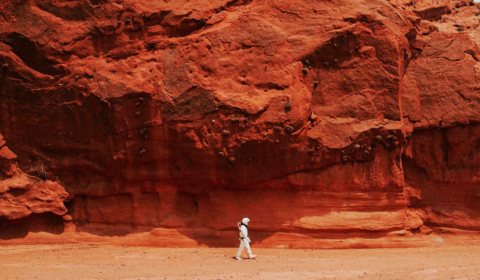
Perseverance Mars rover discovers abundance of organic molecules
NASA says its Perseverance rover is finding organic molecules on ‘every target’ that it observes, providing further evidence to suggest that Mars was once teeming with life. New data from NASA’s rover, Perseverance, has reinforced suggestions that life may have existed on Mars billions of years ago. A press conference was held last Thursday to showcase the findings. Perseverance has discovered a variety of organic modules in Jezero Crater, an ancient lake...


Hibernating bears may hold the secret to curing diabetes
By feeding honey water to bears, researchers have discovered the potential genetic key to their insulin control. This advance could lead to a remedial treatment for a disease that affects almost ten per cent of the world’s adult population. If you’ve ever found yourself wondering why humans aren’t able to consume tens of thousands of calories a day to bulk up before taking a very long nap, you’re not alone. It’s...