Trees that survived the dinosaur extinction are now in serious danger
Once abundant all over the world, the rare cycad plant is now considered a luxury status symbol. As a result, the species is being poached to the brink of extinction. Expensive watches and flashy sportscars are sure fire ways to exhibit your financial success to the world – but how...
Current in Planet
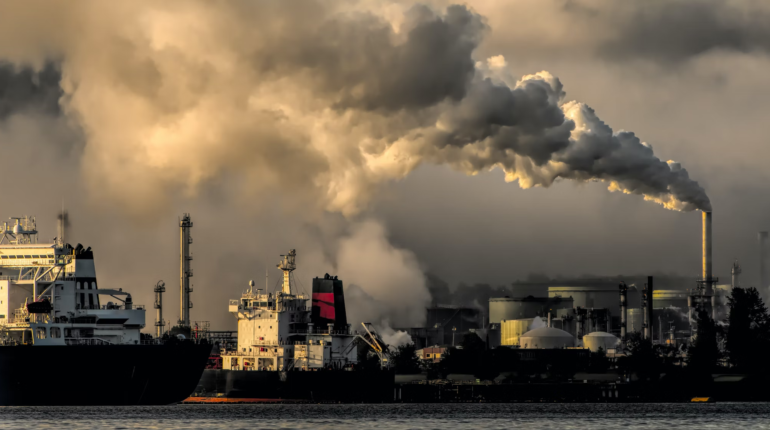
People everywhere are calling for the phasing-out of fossil fuels
With ever increasing heatwaves, mudslides, and rising sea levels, phasing out fossil fuels is a critical step in solving climate change. For decades, scientists have continued to confirm the significant role the fossil fuel industry has played in causing climate change. In fact, the Intergovernmental Panel on Climate Change has confirmed...
Thriving coral reef is newly discovered off Tahiti’s coast
A pristine coral reef has been discovered in the South Pacific Ocean. It appears to be flourishing, despite the current biodiversity crisis caused by climate change. It’s almost Friday, so you know what that means? Time for some good news to catapult us into weekend mode. A massive reef made up...
Is climate change creating a vicious cycle for methane emissions?
Scientists are alarmed by a ‘dangerously fast’ growth in atmospheric methane. Reportedly now thrice as prominent in our atmosphere as pre-industrial levels, there are concerns that the planet may actually be harming itself. Climate mitigation plans for methane are reportedly three times too low to meet goals outlined in the...
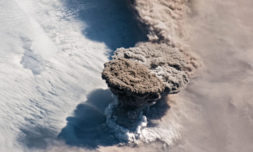
Undersea volcano eruption triggers tsunami in Tonga
On Saturday, a massive explosion was heard across the south Pacific. An undersea volcano called Hunga-Tonga-Hunga-Ha’apai erupted violently, triggering tsunami warnings for all surrounding coastlines. This weekend, Mother Earth reminded us who’s really in control. An undersea volcano located northeast of New Zealand and southeast of Fiji erupted unexpectedly, causing magma,...

Opinion – Saying goodbye to travel restrictions is the right call
At risk of being blackballed in the early stages of my writing career, I’m putting forward my opinion on why travel restrictions should remain a thing of the past. If you’re still paying attention to coronavirus news two years on, you’ll know PM Boris Johnson has decided to shorten quarantine...


WWF report calls for an urgent plan to decarbonise farming
British farmers must reduce their production of meat and dairy by a third in the next decade if scientific advice on limiting greenhouse gas emissions is to be met. A major report by the World Wide Fund for Nature has said that farming needs to be at the forefront of the UK government’s plans to hit its net zero targets and tackle the climate crisis. This is because livestock are...


Honduras sanctuary protects women fighting for gender equality
La Siguata, which translates to ‘the woman’ in Uto-Aztecan Nahuatl language, is a safe haven for those campaigning for equality in one of the most dangerous places on Earth. No matter where you are in the world, committing to a life of activism requires going against the grain, challenging the status quo, and taking action that has potential to frustrate local communities and policy makers. But in certain parts of Central...

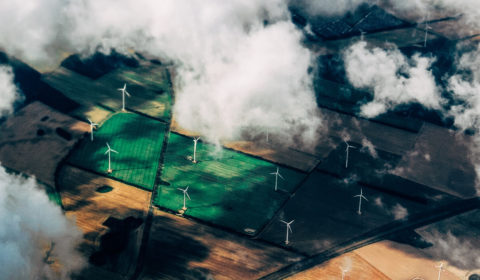
Clean energy is now cheaper than all other alternatives
Last year, world leaders pledged to phase out fossil fuels at COP26. Improving green energy policies will not only save the planet – it will save future governments a lot of cash, too. Currently, burning fossil fuels accounts for 79 percent of the world’s energy production. But as the majority of the world knows by now, using these limited natural resources comes at an incredible cost to the planet. Fossil fuels...
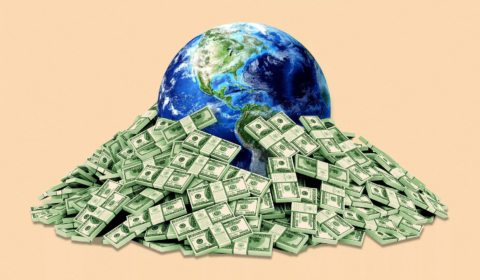
An extra $3.5 trillion a year is the price tag for a net zero transition
Grandiose ambitions of transitioning to net zero economies within the next decade are nothing without serious real-life investment. Now, thanks to a recent report from McKinsey & Company, we know roughly what that sum equates to. Unfortunately, decarbonising entire industries isn’t quite as simple as offering up renewable alternatives and flicking a switch. While us, the people, can make conscious decisions to limit our own impact on the planet, sadly we’re...