Once abundant all over the world, the rare cycad plant is now considered a luxury status symbol. As a result, the species is being poached to the brink of extinction.
Expensive watches and flashy sportscars are sure fire ways to exhibit your financial success to the world – but how about planting a tree in your front garden?
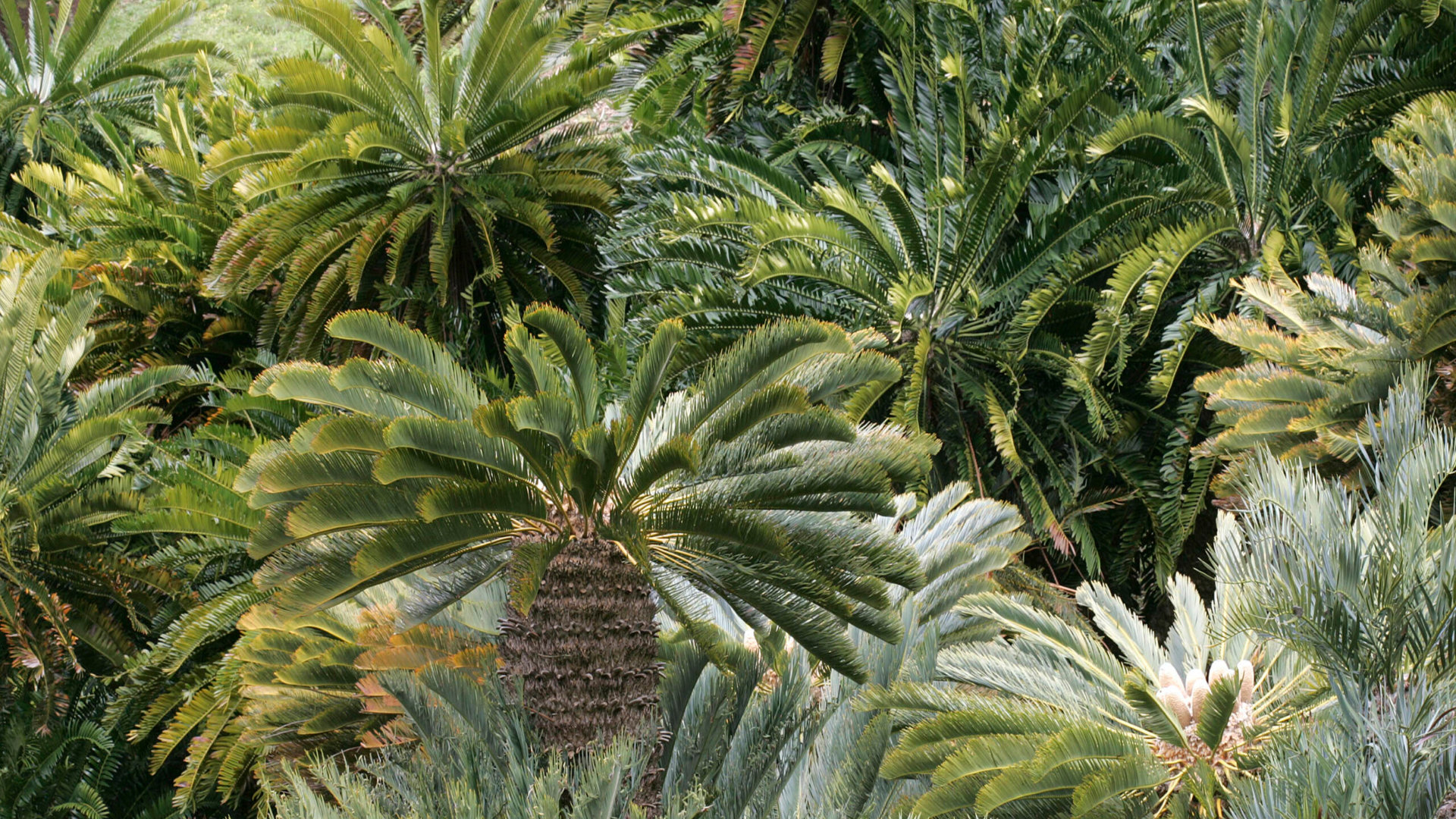
More specifically, what if it was the world’s longest surviving seed-bearing plant? The cycad. Today, cycad trees are viewed as a symbol of affluence and wisdom, causing collectors in South Africa to hoard them in their gardens for clout.
Cycads are highly respected in the botanic world as they survived the dinosaur extinction, five ice ages, and continuously adapted their size to compete with new, emerging forms of plant life. They have a similar, pleasing appearance to palm trees, but are in fact an entirely different species of their own.
This might sound alluring, but don’t go searching for a distributor just yet. The Global Initiative Against Transnational Organised Crime has reported that cycad trees are being collected in numbers so high that they have become the most endangered organism on Earth.
Over the last 20 years, at least 15,000 rare cycads have been illegally traded at a market value of $600million. The GIATOC has warned that cycads are currently being ‘poached’ in a similar way to rhinos and elephants in other parts of Africa.
At present, South Africa is home to 38 species of the plant, of which just 10 can be found in other countries.
But already, three species of cycad have completely disappeared from South Africa’s natural landscape – a sharp contrast to the tree’s known history. Over 200 million years ago, the cycad species was abundant in nature, present everywhere from Greenland to Antarctica.
During the Jurassic period, you could expect to see winged dinosaurs to swoop between their leaves, as a bigger dinosaur stood below eating them as a tasty snack. In fact, cycads made up about 20 percent of the planet’s botanic species back then.
Like most plant and animal species being driven to the brink of extinction, ancient cycads have become endangered as a result of human interference despite their legendary ability to overcome challenges presented by nature.
Sellers are entering the poorest villages in South Africa to exploit locals, offering them miniscule prices for plants that will go on to sell for thousands of dollars. The cycad’s ability to go for weeks without water enables it to be transported easily to overseas buyers for an even higher price.
Keeping up with poachers’ activities is not realistic for the species. The National Geographic has named one cycad in London the ‘loneliest plant in the world’ because the species is unable to reproduce alone.
When the plants are mature enough to reproduce, they grow a giant cone filled with pollen or seeds. By radiating heat and sweet odours to pollinators – birds, bats, insects, and previously dinosaurs – the plant signals it is ready to fertilise a mate.
As a result of being removed from their natural habitats, many cycads have become isolated and unable to have their seeds or pollen transferred to a nearby plant. This forced separation has caused the number of cycads in the wild to fall rapidly.
To preserve the ancient tree, South Africa’s National Botanic Garden is working to protect one of the rarest cycad species. In 2014, the national garden had 24 of its cycads stolen in a raid, leading groundsmen to install protective enclosures around the plants.
On top of conservation efforts, punishment for the illicit cycad trade has been ramped up by local governments. Collectors have been fined, poachers have been imprisoned, and some convicted landowners have been ordered to donate their cycads to conservation groups.
At first glance, you may be inclined to think: well, it’s just a tree.
But acknowledging that the cycad species existed long before the dinosaurs and adapted to surviving into the present – it’s impossible to ignore the value in ensuring they remain protected and respected.
Deputy Editor & Content Partnership ManagerLondon, UK
I’m Jessica (She/Her). I’m the Deputy Editor & Content Partnership Manager at Thred. Originally from the island of Bermuda, I specialise in writing about ocean health and marine conservation, but you can also find me delving into pop culture, health and wellness, plus sustainability in the beauty and fashion industries. Follow me on Twitter, LinkedIn and drop me some ideas/feedback via email.
Students, teachers, and parents have taken to the street to protest France’s crippling education infrastructure. However, as the movement started to gain nationwide traction, so did violence, driven by clashes with the riot police.
These past few weeks have seen intense waves of violence associated with student-led protests in France. What started as a local walkout by teachers at a high school in Créteil quickly turned into a nationwide...
After surviving two doses of a drug intended to kill her, Christa Pike is at the centre of a high-profile legal battle that’s shone fresh light on the absurdity of humane execution.
Last week, Christa Pike survived an attempt on her life. Now doctors at the Tennessee hospital where she’s being held are working tirelessly to save her. Reports state Pike is ‘angry and confused’ about what happened to her,...
When it comes to social change in 2026, Gen Z has lost all the vim of yesteryear. When and where was this energy lost? Let’s break it down.
In the late 2010s Gen Z was synonymous with social change, a broad catch-all term encapsulating the desire for a more equitable and just world.
In 2026, however, the cohort is now more likely to be mentioned in the same breath as subjects...
Used clothes have been enabling people to refine their style and earn money. Now that thrift fashion is reaching new heights on the internet, who continues to benefit the most?
In Nairobi, a second-hand jacket can either be on sale in the market or on social media with all the elegance of a professionally curated thrift shop. It is the same type of clothing item, just sold via different channels.
Some...
We use cookies to ensure that we give you the best experience on our website. If you continue to use this site we will assume that you are happy with it.






























 0 comments