
Sadiq Khan says the Thames River will be safe to swim in by 2034
The Mayor of London has announced a decade-long plan to clean up the Thames River in hopes that city-dwellers will one day safely swim in its waters. Do you ever find yourself walking along Southbank on a hot summer’s day, wishing you could take a refreshing dip in the River...
Current in Planet

Scientists use ‘coral IVF’ and recorded audio to repopulate dying reefs
In the latest development for coral reef restoration projects, scientists are experimenting with 'coral IVF' and audio recordings from thriving reefs to attract heat-resistant coral larvae to diminished marine areas. We’ve talked a lot about coral reefs on our website lately, and that’s because they’re essential to the health of...

Devastating floods continue to devastate Tanzania
Tanzania is grappling with ongoing floods that have claimed lives and left thousands of people affected across the country. Triggered by heavy rainfall, the floods have wreaked havoc causing extensive damage to infrastructure and livelihoods. In the last two weeks, the ongoing floods have been catastrophic, with official reports indicating...
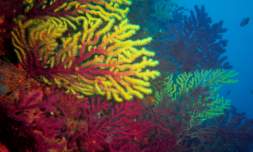
Cambodia’s reefs thrive as rest of the world’s corals bleach
Marine biologists have just announced the fourth planet-wide coral bleaching event. Despite this devastating news, scientists are pleased to witness reefs off the coast of Cambodia thriving in warmer waters. Coral reefs are often considered one of nature’s most magnificent creations. They are colourful ecosystems bustling with life, leading...
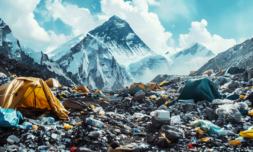
Everest’s towering trash has become a serious problem
Mount Everest, the world's highest mountain, and is now the highest garbage dump on Earth. As the climbing craze continues, this environmental problem demands urgent attention and action. Mount Everest, a natural wonder that has captured the world's imagination, has become a victim of its own popularity. With an estimated 140,000...
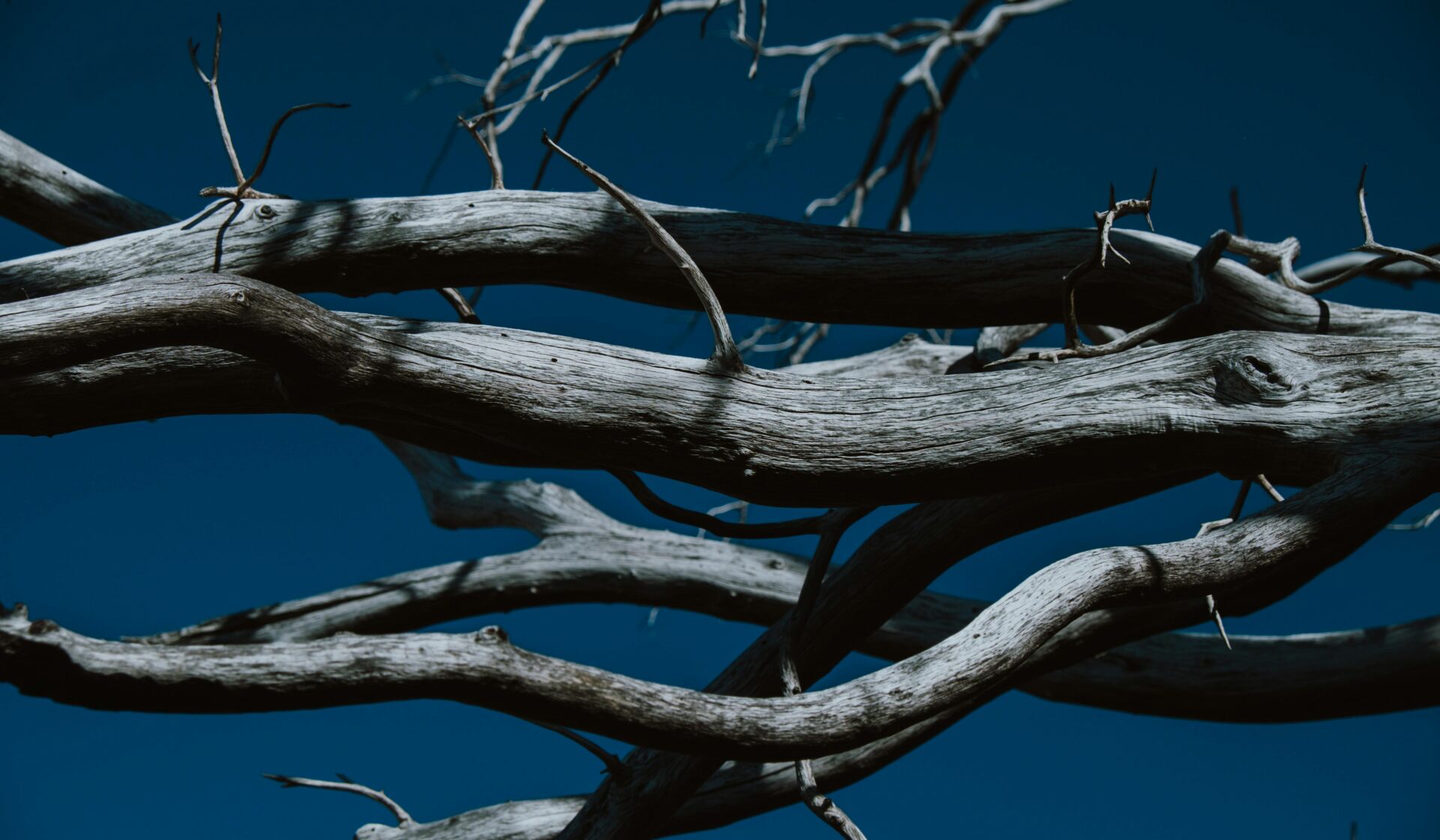
Plant diseases are increasingly destroying EU trees and crops
While farmers and conservationists struggle to contain previously introduced pathogens, new outbreaks are being detected. According to scientists, the problem will only get worse as temperatures rise. Infectious diseases don’t just threaten the health of humans and animals. Plants are also susceptible to new pathogens, and scientists are concerned that...

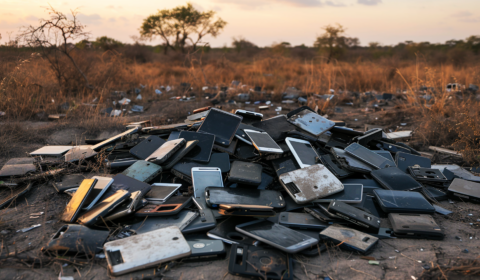
Africa is witnessing a huge electronic waste problem
Africa is increasingly becoming a dumping ground for electronic waste from developed nations. Despite having the lowest annual e-waste production per capita, UN agencies project a growth rate of 3 to 5 percent annually - a trend likely to continue with further technology integration. The African continent has emerged as a significant destination for electronic waste, often originating from developed nations. According to the United Nations Institute for Training...

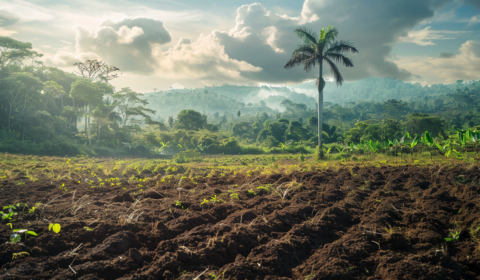
Reforesting with the wrong trees could be worsening the climate crisis
Tree planting has been heralded as a saving grace in the face of a warming planet, but projects that use the wrong plant species are contributing further to the climate crisis and worsening biodiversity loss. By now, we are all aware of just how vital trees are to our planet’s ecology. They clean and cool the air we breathe, stand as homes for wild animals, and absorb natural and...

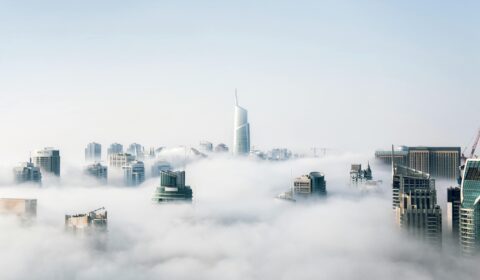
Is cloud seeding to blame for the Dubai floods?
Last week, approximately 25cm of rain – roughly twice the UAE’s yearly average – fell in a single day, leaving much of the city’s outdoor infrastructure under water. This has sparked a debate about weather modification.
In parts of the Northern Hemisphere, April is known as the month of showers.
This is due to the spring shift in weather patterns and is great for plant growth,

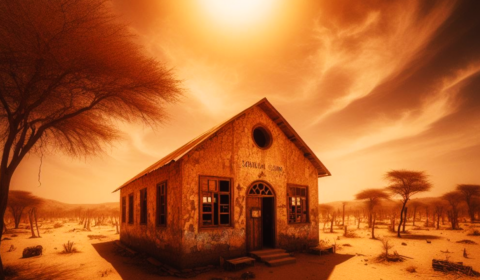
South Sudan schools continue to close amid heatwaves
In a bid to safeguard the health and well-being of students, educational authorities in South Sudan have taken the unprecedented decision to close schools across the nation in preparation for a 45C heatwave. South Sudan, already known for its scorching temperatures, has experienced an unprecedented rise in mercury levels over the past weeks. According to the country’s Ministry of Environment and Forestry advisory, temperatures have been soaring well above 40C...