







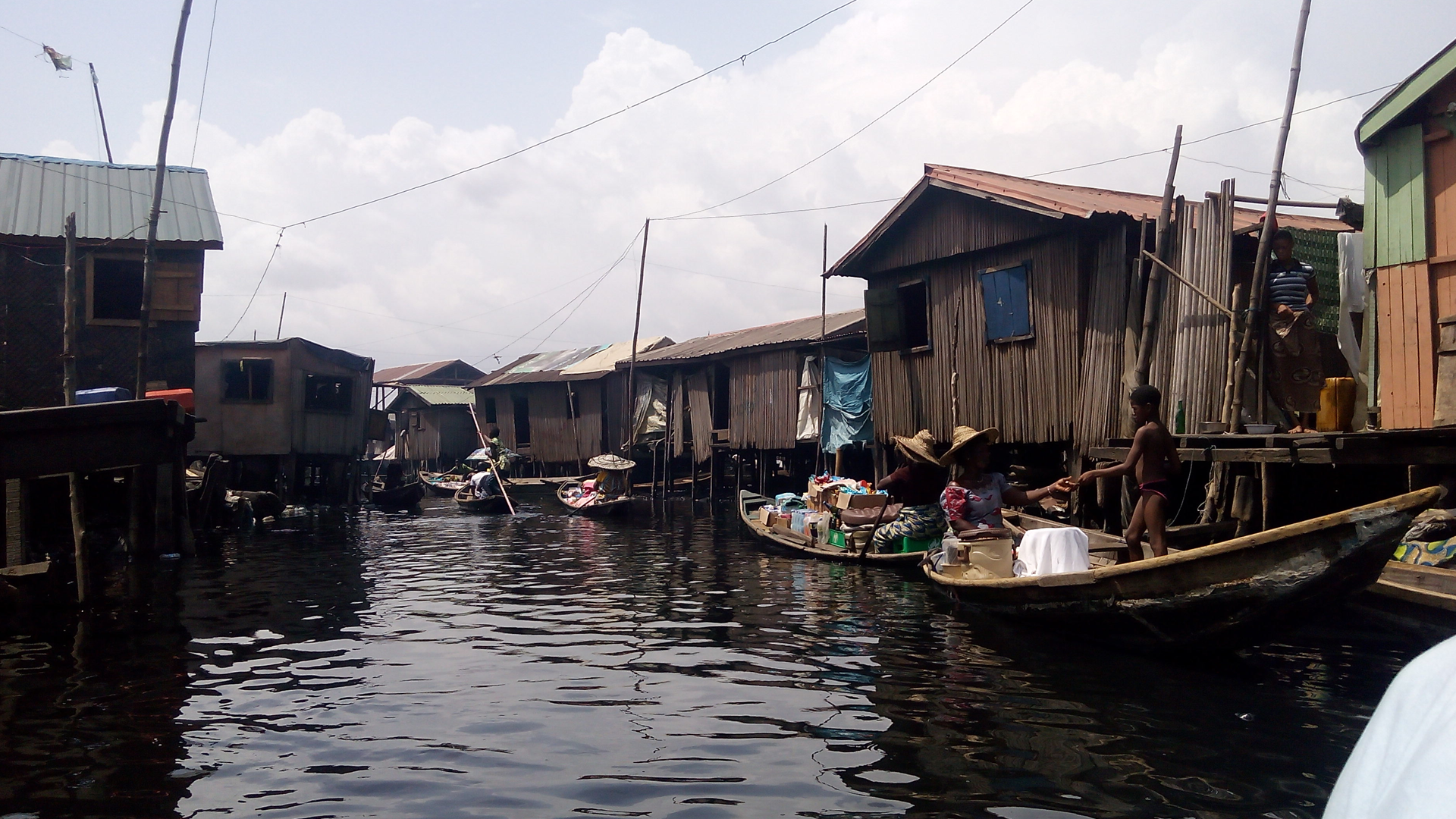
Understanding the neglect in Nigeria’s floating slum Makoko
Makoko, the world’s largest floating slum, is located on the Lagos Lagoon in Nigeria. It has a population of over 200,000 people living in precarious conditions, with limited access to basic amenities such as education, clean water, sanitation, healthcare, and electricity. Makoko slum has been a fishing village for decades...
Current in Change
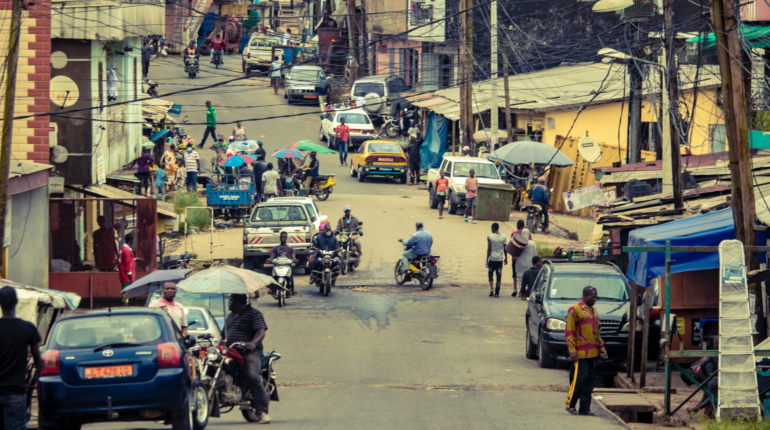
How Cameroon has been ruled by one President for forty years
For four decades, Cameroon has been ruled by one party. More than 65% of its population have never known any other. President Paul Biya’s regime has led to widespread instability in Cameroon. Cameroon has been ruled by 89-year-old President Paul Biya for over 40 years. He is the oldest and...

Is animal agriculture on the verge of change?
Recent calls for more awareness about the cruelty behind livestock exportation in addition to a proposed law obliging farmers to address the environmental impact of meat and dairy production indicates a shift may finally be afoot. Last year, it was revealed that the agriculture industry is responsible for about...
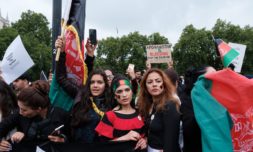
Taliban prohibits women from working for NGOs
Jeopardising aid efforts, the ban on female employees is the fundamentalist group’s latest move to curtail their freedoms in Afghanistan. In 2021, the world watched in horror as the Taliban, taking advantage of America’s withdrawal from the region, seized power in Afghanistan. Triggering concerns that this would signify the country’s return...

Report reveals Amazon’s plastic use rose astronomically last year
The largest retailer on the planet ships out 7.7 billion packages annually. How it chooses to wrap these items has serious consequences for the natural world – including humans. Have you ever ordered a small item from Amazon and been shocked by the size of the parcel that arrived? You’re...
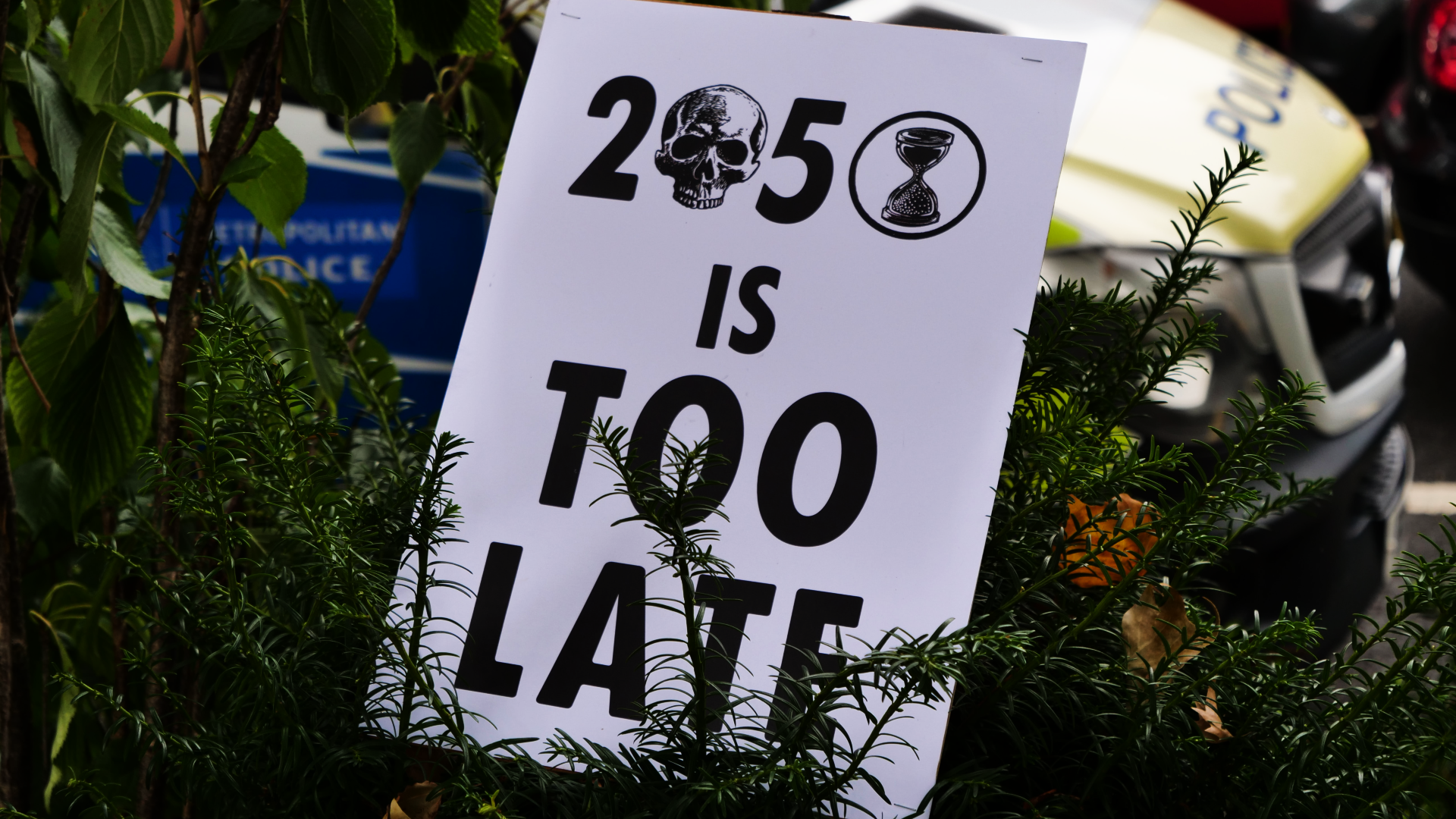
Extinction Rebellion announces move away from disruptive tactics in 2023
Ubiquitously known climate group Extinction Rebellion is shifting away from drastic action like roadblocks and public defacement, and towards a more diplomatic emphasis – the group has announced. Despite our pressing need for stricter ecological policies every year in the run up to 2030, Extinction Rebellion is opting for a...


Understanding Kenya’s transition to clean energy
Kenya is among the leading African nations in renewable energy, currently generating more than 75% from renewable sources, primarily geothermal power and hydropower. According to the government, the country looks to shift to 100% clean energy by 2030. Kenya’s climate crisis has left its northern population without food, shelter, and settlement. Ravaging drought has left thousands of animals dead, children malnourished, and thousands of people forced to flee their homes in...


England set to ban some single-use plastics
In a long-awaited step towards reducing pollution, the British government is poised to phase out certain products and replace them with biodegradable alternatives. Two years ago, the extent of Britain’s plastic waste problem came to light. Though the nation claims to be a world leader in tackling this kind of pollution, it was revealed by Greenpeace that despite our best efforts to protect the environment, more than half of what...


EU bans the sale of products linked to deforestation
In a move that prevents further devastation of forests around the world, the European Union has agreed to place a legal ban on the sale of products fuelling deforestation. Although the number of people purchasing eco-friendly products is on the rise, many popular brands have continued to sneak environmentally damaging ingredients into their formulas without us noticing. For example, common foods like peanut butter, cereal bars, and biscuits often contain palm...


Thousands of displaced children in Mali have no legal identity
Since 2012, disruption in Mali has killed thousands who’ve gotten caught in clashes between security forces and jihadist fighters. According to the UN, the war has displaced nearly 500,000 people including children. A new report by the Norwegian Refugee Council (NRC) says 148,600 displaced children in Mali do not have a legal identity. Lack of official documentation means children are at risk of marginalisation and potential human rights violations. In a...