Some of the planet’s most popular vacation destinations are taking measures to reduce the number of tourists they accept each year.
Let’s face it, humans need to slow down – and fast.
While growth and prosperity are two defining measures of a successful society, the rate at which the global population has been moving and consuming is what has left us with two of the most pressing issues of our time: climate change and pollution.
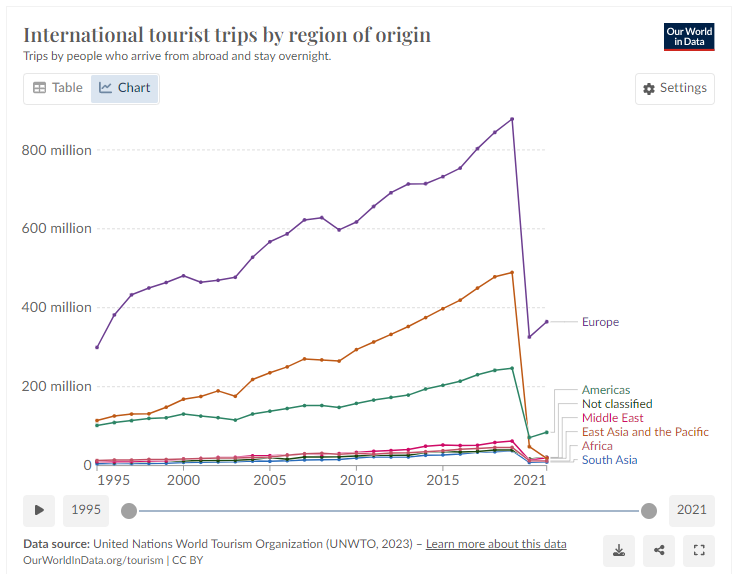
Before the pandemic upended global air travel, the number of individuals travelling abroad had more than doubled since the year 2000. In Europe, that meant 400 million more tourists puttering around international countries – a total of more than 800 million per year.
To meet the demand of their booming tourism industries, many nations saw cheap hotels and hostels introduced, culturally ambiguous restaurants opening, and an endless number of souvenir shops lining their streets.
One of the world’s most famous (yet small) cities, Amsterdam, has been affected by this to a severe degree.
The Dutch capital city has only a population of 821,752 people but welcomes 20 million visitors every year – and not all of them come to admire the quaint canals and streets or to taste its glorious selection of cheeses.
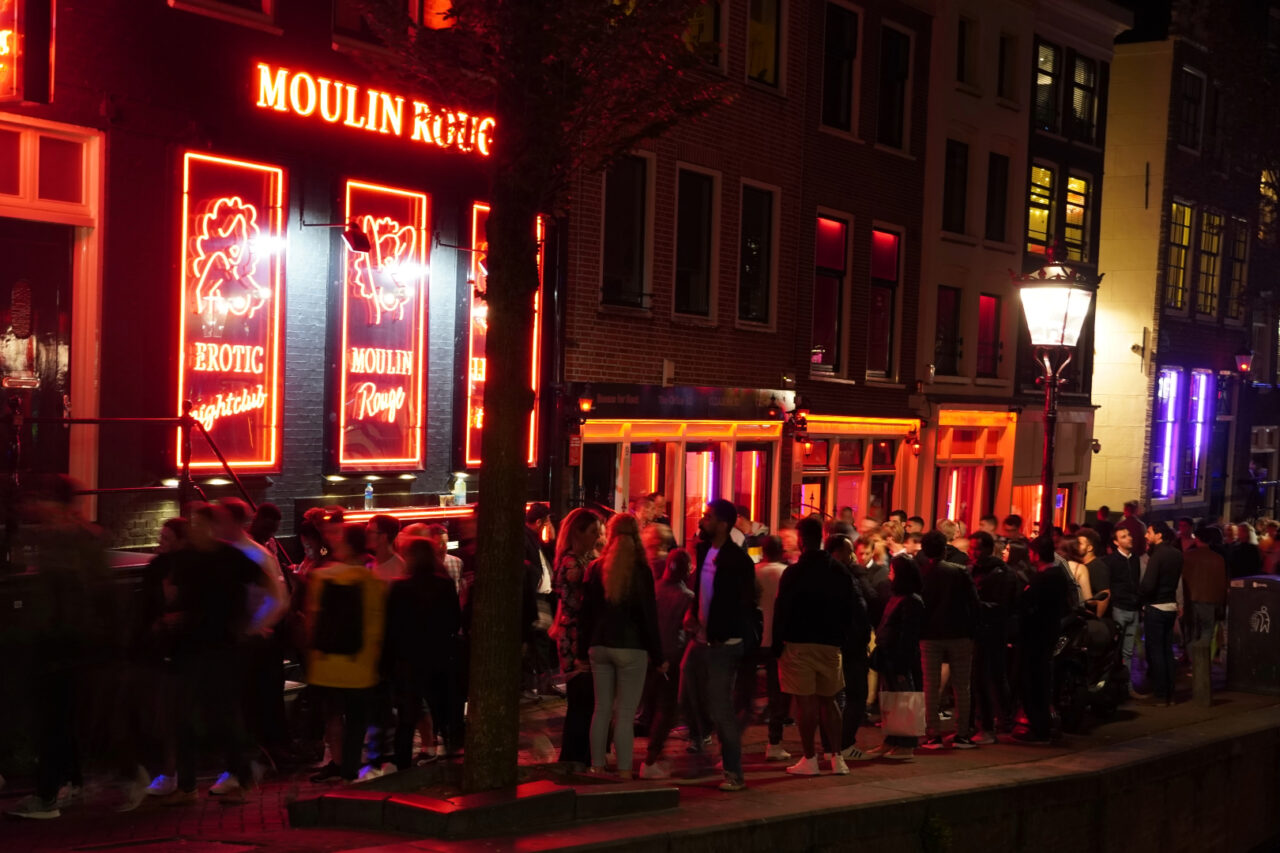
Holland’s relaxed legal attitudes towards marijuana and sex work have seen the city garner a reputation for being a raunchy and lawless party city, which is a far cry from the reality lived by most of its locals.
Hoping to rid itself of the image that attracts those looking only for ‘sensation and vulgar entertainment’ during a quick weekend away, Amsterdam is swiftly adopting strict policies aimed at halting over-tourism.
Anti overtourism laws
From the January 2024, no new B&Bs will be allowed to open in Amsterdam.
It will also change its housing rules, prioritising teachers and students, as well as young people who have lived in Amsterdam for 6 years or longer.
The Dutch Council of State has also decided to prevent permits for new tourist establishments – especially souvenir shops – instead freeing up space for neighbourhood gyms, salons, and bookshops.
The general idea is to encourage visitors of Amsterdam to enjoy the city like a local. Drink tea, have a beer by the canal, but please, do not green out on high-grade weed inside the Anne Frank house.
Amsterdam is not the only European city to take anti-overtourism measures, with Florence recently moving to ban Airbnbs from its city centre to prevent overcrowding in popular areas.
On the other side of the world, Japan also launched a new tourism campaign for its entire country, rather than focusing on well-known areas of the island like Tokyo, with aims to direct tourism away from already congested city hotspots.
No doubt, the allure of iconic cities in all corners of the world makes us all want to flock and experience them first-hand. But when the local culture starts bowing to tourism-focused activities and tastes – there is far too much to lose.
Can tourism slow down?
In a New Yorker article called The Case Against Travel, Agnes Callard writes:
‘At home or abroad, one tends to avoid “touristy” activities. “Tourism” is what we call travelling when other people are doing it. And, although people like to talk about their travels, few of us like to listen to them. Such talk resembles academic writing and reports of dreams: forms of communication driven more by the needs of the producer than the consumer.’
As a Londoner, this is painfully relatable.
Tourists – no matter how much your economy relies on them – are annoying. They walk painfully slow, wear faces creased with confusion, and in Amsterdam’s case, often leave behind more of a mess than their cultural experience of your home place was worth.
Yet we all insist on being tourists. Though some philosophies in the New Yorker article quoted above would argue otherwise, there is nothing inherently wrong with wanting to see the world.
However, it’s clear that the novelty of ‘cheap airlines’ and ‘cheap vacations’ is wearing off for many countries, especially as they watch their cities become run down and treated as a playground for careless tourists.
Though finding a place to stay in the world’s most talked-about destinations may be trickier in the future, being rewarded with a more authentic – and less overcrowded – experience of the area will be well worth the wait.
Deputy Editor & Content Partnership ManagerLondon, UK
I’m Jessica (She/Her). I’m the Deputy Editor & Content Partnership Manager at Thred. Originally from the island of Bermuda, I specialise in writing about ocean health and marine conservation, but you can also find me delving into pop culture, health and wellness, plus sustainability in the beauty and fashion industries. Follow me on Twitter, LinkedIn and drop me some ideas/feedback via email.
Students, teachers, and parents have taken to the street to protest France’s crippling education infrastructure. However, as the movement started to gain nationwide traction, so did violence, driven by clashes with the riot police.
These past few weeks have seen intense waves of violence associated with student-led protests in France. What started as a local walkout by teachers at a high school in Créteil quickly turned into a nationwide...
After surviving two doses of a drug intended to kill her, Christa Pike is at the centre of a high-profile legal battle that’s shone fresh light on the absurdity of humane execution.
Last week, Christa Pike survived an attempt on her life. Now doctors at the Tennessee hospital where she’s being held are working tirelessly to save her. Reports state Pike is ‘angry and confused’ about what happened to her,...
When it comes to social change in 2026, Gen Z has lost all the vim of yesteryear. When and where was this energy lost? Let’s break it down.
In the late 2010s Gen Z was synonymous with social change, a broad catch-all term encapsulating the desire for a more equitable and just world.
In 2026, however, the cohort is now more likely to be mentioned in the same breath as subjects...
Used clothes have been enabling people to refine their style and earn money. Now that thrift fashion is reaching new heights on the internet, who continues to benefit the most?
In Nairobi, a second-hand jacket can either be on sale in the market or on social media with all the elegance of a professionally curated thrift shop. It is the same type of clothing item, just sold via different channels.
Some...
We use cookies to ensure that we give you the best experience on our website. If you continue to use this site we will assume that you are happy with it.






























 0 comments