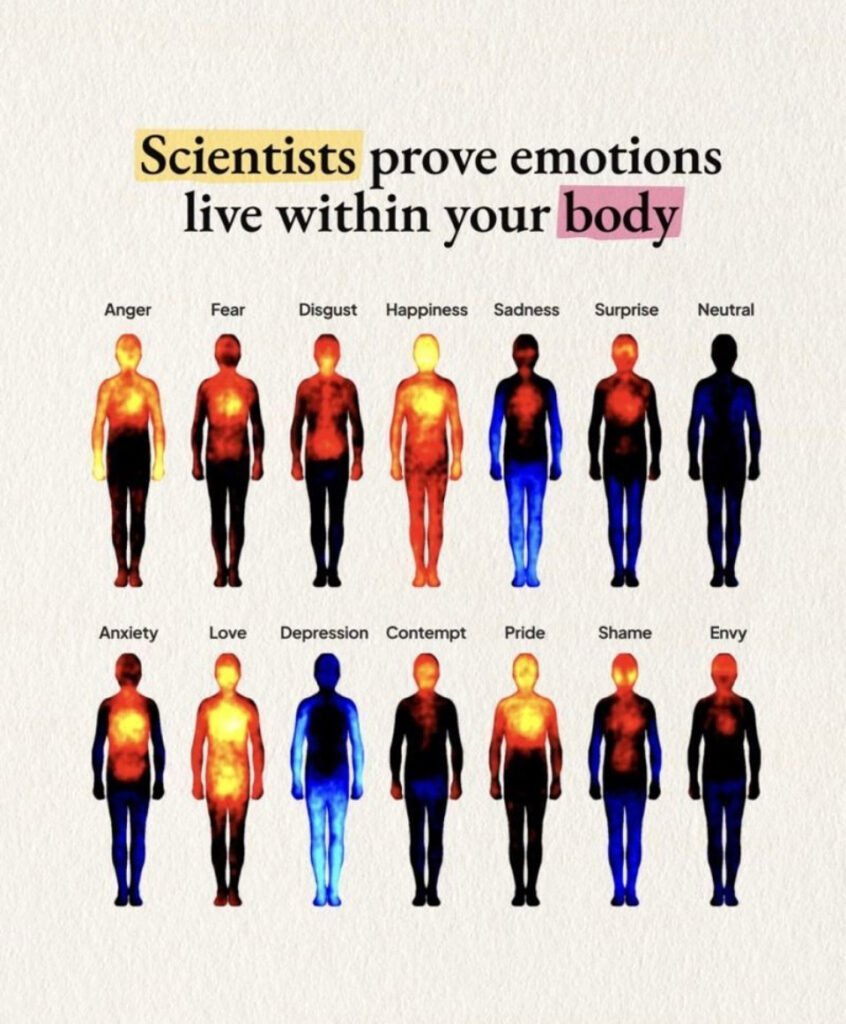
A study involving 10,189 participants of a variety of ages, genders, cultures, and ethnicities showed that the key to curbing anger is reducing physiological arousal – not indulging in it by venting.
From time to time, we all feel the urge to vent about a problem that’s been weighing heavy on our minds.
My dearest colleagues could tell you about the numerous times I’ve asked: ‘can I just say something?’ paused for the OK, and then proceeded to carry out the most vivacious 10 minute rant ever delivered in the history of womankind. (Thanks, guys).
But even I can admit that laying it all out on the table (desk) hasn’t always made me feel better. The only thing that does lighten my mood is when someone makes a clever joke to distract from the subject.
Now, a large-scale research project is explaining why venting might not be the best coping mechanism for our anger, despite what the conventional wisdom ‘get it off your chest!’ may suggest.
Analysing 154 studies on anger – involving a total of 10,189 participants, representing a variety of ages, genders, cultures, and ethnicities – researchers found that venting often doesn’t help reduce anger.
The lead author of the research analysis is Sophie Kjærvik, a communication scientist at Virginia Commonwealth University. Kjærvik was first inspired to delve deeper into studies on anger due to the widespread popularity of rage rooms in western countries.
While I personally feel like smashing stuff up when angry seems counterproductive (what are you, a maladjusted 15-year-old boy?), rage rooms are extremely popular among people going through hard times such as break ups, job loss, and the like.
‘I wanted to debunk the whole theory of expressing anger as a way of coping with it,’ explains Kjærvik. ‘We wanted to show that reducing arousal, and actually the physiological aspect of it, is really important.’
As with all emotions, research on anger acknowledges it as having two key components – the physiological (body response) and the cognitive component (mental processing). The problem is, Kjærvik says, that the vast majority of studies have focused on the cognitive angle.
As a result, cognitive behavioural therapy (CBT) has become a common suggestion for those looking to better manage their emotions. And while CBT can be useful for people looking to identify and cope with anger specifically, this method won’t always work for all brain types – especially those that feel the physiological impacts of anger more acutely.
‘It’s really a battle because angry people want to vent, but our research shows that any good feeling we get from venting actually reinforces aggression,’ says communication scientist and senior author of the study Brad Bushman. ‘Venting anger might sound like a good idea, but there’s not a shred of scientific evidence to support catharsis theory.’
So, what kind of outlets work best for people who are partial to a heated rant amongst friends or a visit to the local rage room?
Slow down and breathe
To understand how to best help the body cope with anger, the study looked at the impact of both arousal-increasing and arousal-reducing activities. These included boxing, cycling, and jogging, as well as deep breathing, meditating, and yoga.
What they found was that calming activities reduced anger in both the lab and the field, regardless of variables like methods of instruction or participant demographics.
Arousal-reducing activities such as slow-flow yoga, mindfulness, progressive muscle relaxation, diaphragmatic breathing, and taking a timeout proved to be just as effective as mindfulness and meditation.
The research also found that arousal-boosting activities (like boxing and jogging) were far less effective at reducing anger. In fact, jogging was most likely to increase anger, perhaps due to its solitary and repetitive nature.
In some cases, ball sports and other physical activities that involve play reduced physiological arousal related to anger, suggesting that exerting energy might be useful – but only if you’re having fun while doing it.
Reclaiming your zen
Life is full of little stresses and annoyances that can build up into general feelings of anger, but there are healthy ways to deal with this inevitability.
Calming tactics promoted for their ability to reduce stress can also rob anger of its physiological fuel – the stuff that makes your body go hot, your blood pressure rise, and your palms start to sweat.
So next time you feel anger rising up, you might want to hold off on venting to your homies or smashing plates at your local rage room. Even a few seconds of meditative breathing, a yoga session, or a friendly game of football with friends will probably take the edge off more effectively.
That said, I wouldn’t be surprised if my colleagues argued that a midday rant provides far more entertainment value.
Enjoyed this article? Click here to read more Gen Z style stories.
Deputy Editor & Content Partnership ManagerLondon, UK
I’m Jessica (She/Her). I’m the Deputy Editor & Content Partnership Manager at Thred. Originally from the island of Bermuda, I specialise in writing about ocean health and marine conservation, but you can also find me delving into pop culture, health and wellness, plus sustainability in the beauty and fashion industries. Follow me on Twitter, LinkedIn and drop me some ideas/feedback via email.
Clothing retailer ASOS has launched an investigation after some mobile customers received a notification claiming that hackers had ‘fully compromised’ company data.
Some ASOS customers received a push notification on Tuesday claiming that hackers had ‘fully compromised’ company data, The Guardian reports.
The message included a link to Telegram, the largely unmoderated chat service, directing users to a channel supposedly operated by a cyber gang called the ‘Xuayne’ group.
The fashion...
The value of personal attractiveness is established much younger than you might think. But what does this mean for girls growing up in an image-obsessed era?
We check our appearance around 38 times per day. That pastime was once reserved for mirrors, and now extends to every reflective surface in our vicinity. Phone screens are the obvious preference – whether via their front-facing cameras or shiny black lock screens.
Social media...
It seems everyone and everything is inflamed, but is that really such a bad thing?
From cortisol to caffeine, the wellness world loves a scapegoat for stress. It’s easy to blame life’s problems on some controllable symptom that can be stifled with the right pill or lavish morning routine.
The latest buzzword to take charge of the health conversation is ‘inflammation’. To look at any wellness page is to feel as...
Beauty pageants in the UK have had a rebrand.
The stereotypical image of women parading around in bikinis, smiling until their cheeks hurt and answering some variation of ‘how would you achieve world peace?’ feels increasingly outdated.
Today, pageantry sells something different. Confidence. Advocacy. Charity. Entrepreneurship. Empowerment. Contestants have platforms, careers, and causes they genuinely care about.
And, having competed in one myself, I actually believe there is some truth to that.
In...
We use cookies to ensure that we give you the best experience on our website. If you continue to use this site we will assume that you are happy with it.































 0 comments