English engineers have created a new hydropower system that generates electricity inside natural hills. The technology could be used across the UK in the coming years.
Hills are no longer just for country walks and winter time sledging, at least in the UK.
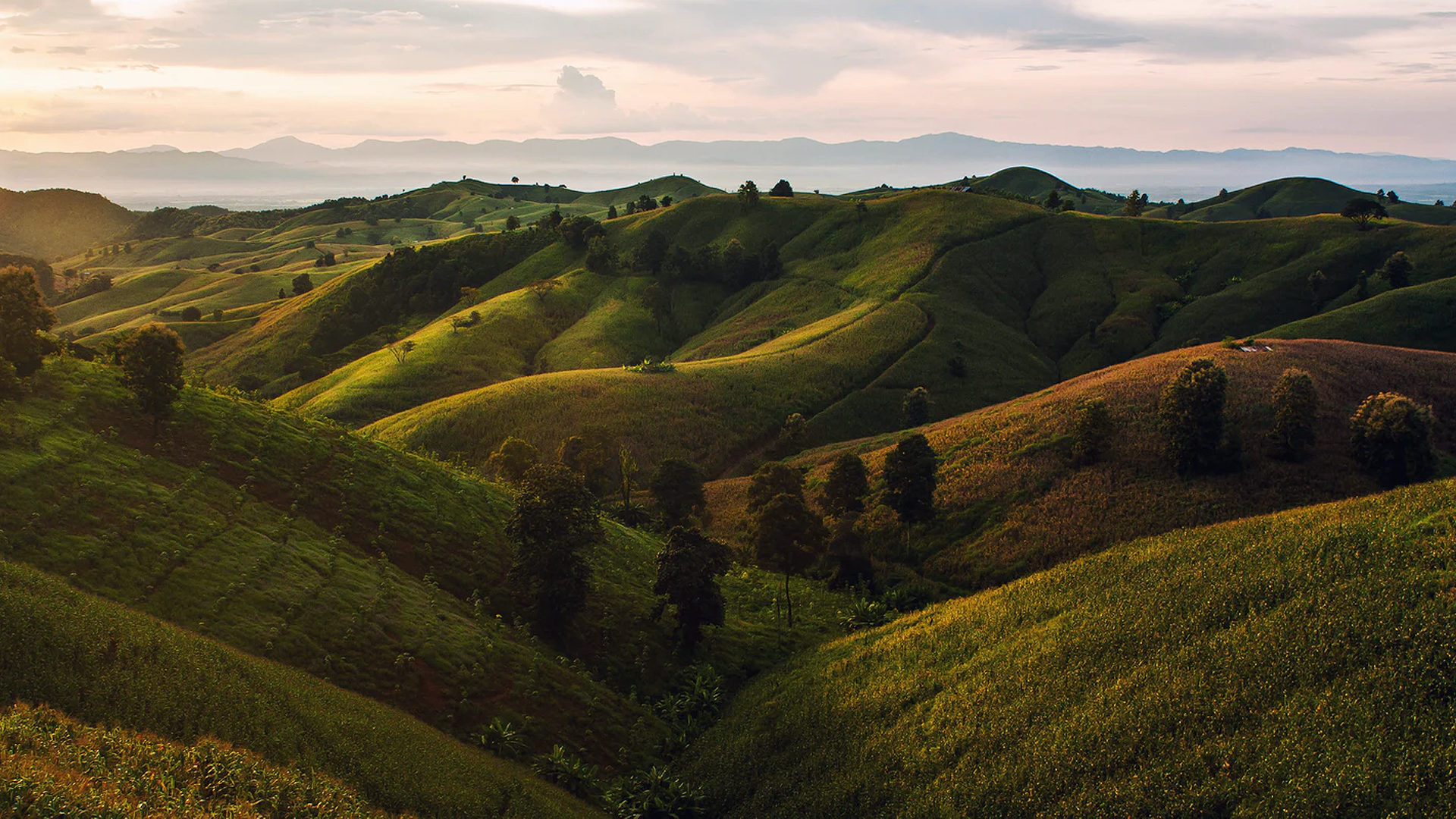
English engineers have developed a new ‘high-intensity’ hydropower system that stores and releases electricity from gentle slopes and hills. Water systems have traditionally used steep dam walls and mountains, requiring a ton of labour and resources that make them less than convenient to implement on a wide scale.
This new method, however, would allow for hundreds of energy production sites to be built across the country with minimal damage to the environment. They’ll be cheaper and quicker to create than regular hydropower dams and could help push the UK’s renewable energy efforts even further.
Think of the hill or slope as a natural ‘battery’ for the energy to be produced and stored in.
Water is moved uphill via pumps, and later released back down through turbines. These turbines spin, which generates electricity when needed. The key difference for this high intensity version is that it will use mineral-rich fluid that’s nearly three times as dense as water. This means smaller hills with less steep gradients can be used to produce much more energy.
Underground storage tanks larger than Olympic size swimming pools will house the fluid when it’s not in use, and surplus energy from the turbines will push the water back uphill. It’s all self-contained, making it an excellent energy source – no need for nasty, daily carbon emissions.
It has claimed that this could allow for 700 new sites, totalling over 7GW of energy storage. For context, the UK is expected to need around 13GW of flexible clean energy generation and storage by 2030 in order to balance the electricity grid sustainably.
The company’s chief executive Stephen Crosher also says each site could be built within one or two years, which is five times faster than traditional hydropower systems. The first plant is planned to be built by mid-2023 and crowdfunding is already underway.
The first few will be put together in disused mines and quarries with sufficient space, though the eventual plan is to move them closer to solar and wind farms where they’ll be buried in hillsides and invisible to the naked eye. They’ll likely go down a lot better with locals than wind turbines did back in the day.
We’ll have to see whether or not these hill systems take off. Anything that gets us closer to a fully renewable UK the better.
I’m Charlie (He/Him), Deputy Editor and Senior Writer at Thred. I was previously the Editor full time at Thred before moving to Bristol in 2024. As a music and gaming enthusiast, I’m a nerd for pop culture. You can find me curating playlists, designing article headline images, and sipping cider on a Thursday. Follow me on LinkedIn and drop me some ideas/feedback via email.
HR teams are reporting being bogged down by overly lengthy grievances framed around legal precedents that don’t even exist. Rearing its head on a daily basis, the culprit is generative AI.
Have you ever felt so aggrieved you couldn’t articulate yourself properly? Maybe you considered letting AI be angry for you?
If the answer is yes, and your choice of battleground was email, you may be one of a growing number...
Interest rates are accumulating by the second, and young people are leaving university saddled with debt. When did student finance become such a political minefield?
Student debt has always been an unsavoury aspect of adulthood. It’s long been accompanied by hushed tones and avoidant stares. Nobody wants to talk about the fact they’re tens-of-thousands of pounds in debt before the age of 25.
But before I went to university it was...
Gen Z are skewing data on household debt, as young buyers continue to lean significantly more on credit facilities than their elders.
We’re here for a good time, not a long time.
In the UK, debts are rising at their fastest pace for seven months fuelled heavily by an increase in borrowing from Gen Z. Is this young people being irresponsible? Does it speak more to economic strife in the...
Right after rolling back on the Endangerment Finding, Trump revoked key vehicular emissions regulations and had the Pentagon buy more coal.
Just when it feels like the man has scraped the bottom of the barrel, he just keeps on digging – and that analogy is basically literal. In other words, Donald Trump has ignited a second wave of climate policy abandonment.
Before explaining the latest developments, let’s look back for context.
In...
We use cookies to ensure that we give you the best experience on our website. If you continue to use this site we will assume that you are happy with it.
































 0 comments