




















Menu Menu
[gtranslate]

Why is Foster’s Lager lowering its alcohol content even further?

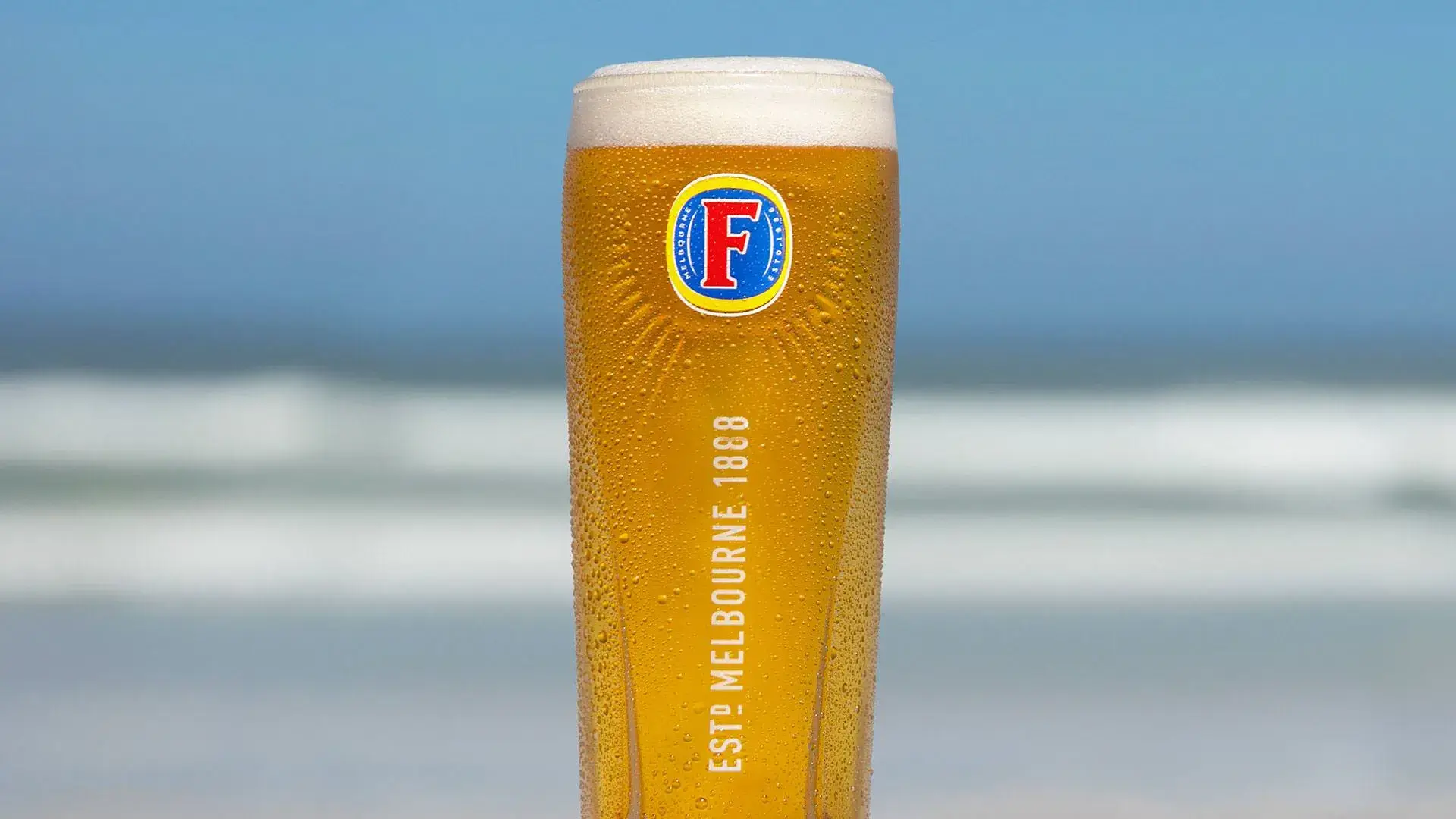
Heineken UK, the company responsible for brewing of the iconic British beer Foster’s Lager, has announced it will be lowering the beverage’s alcohol content once again. Surprisingly, the decision isn’t entirely rooted in cost cutting.

If you’re looking for a cheap pint in a UK pub, a glass of Foster’s Lager will usually fit the bill. That said, this choice might mean it takes a little longer to get your buzz on in the future – if that’s your goal, mind.

Heineken UK, the global company responsible for brewing the iconic British beer Foster’s, has said it will be lowering the alcohol content in the Foster’s recipe from 3.7% ABV to 3.4% next year.

It’s not the first time the lager’s alcohol content has been reduced, with a reduction from 4% ABV made in January of 2023. Surprisingly, Heineken hasn’t cited cost-cutting measures as the sole reason for the change. So what gives?

Well, as you might’ve already heard, people all over the world are drinking a lot less. Health-conscious Gen Z has been touted as the ‘sober-curious’ generation, opting instead for adaptogenic and gut-healthy drinks that complement their wellness routines and won’t hinder their weekend run club plans. Even when they date, Gen Z won’t always be tempted by a cheeky cocktail, with ‘dry dating’ becoming a new norm.

This major drop in drinking amongst young people has created a ripple effect that’s now reaching members of older generations. As a result, alcohol companies have started noticing considerable sales hits. At the end of last month, Bloomberg reported that $830 million USD had been wiped off of alcohol stocks due to widespread shifts in drinking habits.


Over the last few years, the world’s most iconic and long-standing alcohol brands have been scrambling to figure out how to appeal to young people who would rather spend their Saturday evening sober-raving or staying at home to game or watch a livestream with friends.

For many companies, this means creating new drinks with no-to-low alcohol contents, such as seltzers. Others have rolled out entirely new lines of alcohol-free wines and beers. But for Heineken, that means adjusting the alcohol content on one of its already-affordable, lower-alcohol content lagers.

A spokesperson for Heineken said, ‘The decision to adjust the ABV of Foster’s reflects our commitment to helping consumers make responsible choices, while supporting pubs and retailers with a competitively priced classic lager alongside a portfolio of brands across the price and ABV spectrum.’

The company assured that its brewers have worked hard at ‘refining the recipe to ensure the taste remains unmistakably Foster’s – crisp, balanced, and refreshing,’ and that the lager’s flavour will not be impacted.

While it’s great to see alcohol options broadening for people who strive to drink responsibly – we’ve asked in the past whether venues are doing enough to cater to sober customers – there is one little catch: choosing a drink with lower alcohol content doesn’t always mean you’ll be paying less for the pint poured for you.

That’s because Heinken also announced a 2.97% price increase for all its draught products in pubs.

Along with adapting to customer’s desire to drink less, Heineken admitted that the decision to lower Foster’s alcohol content was in part driven by inflation and changes to alcohol duty, which were introduced earlier this year.

For beers produced with an ABV content range of 1.3-3.4%, brewing companies must now pay £9.61 in duty per litre of pure alcohol in the product. Beers sitting between the ranges of 3.5-8.4% ABV require a higher duty payment of £21.78 per litre of pure alcohol in the product.

So, for a company like Heineken, reducing the alcohol in Foster’s Lager is win on two fronts.

First, it positions one of its products as an attractive option for a customer base that’s drinking less and looking for low-alcohol beers when they do. Secondly, it significantly reduces the amount of duty Heineken will have to pay on its Foster’s Lager by more than £15 per litre ­– all while customers pay a little bit more for their pint.

I’ve always thought it feels a little scammy for alcoholic and non-alcoholic beverages to be priced within the same range, and I’m sure in the years to come, a campaign might emerge for costs to reflect the drink’s true contents.

On the bright side, and until then, customers seeking out no-to-low alcohol options look poised to be spoiled for choice. Just don’t expect the lack of buzz to make the price any cheaper. You’ll still be the one footing the brewer’s bill.

Enjoyed this article? Click here to read more Gen Z focused change stories.

Accessibility