























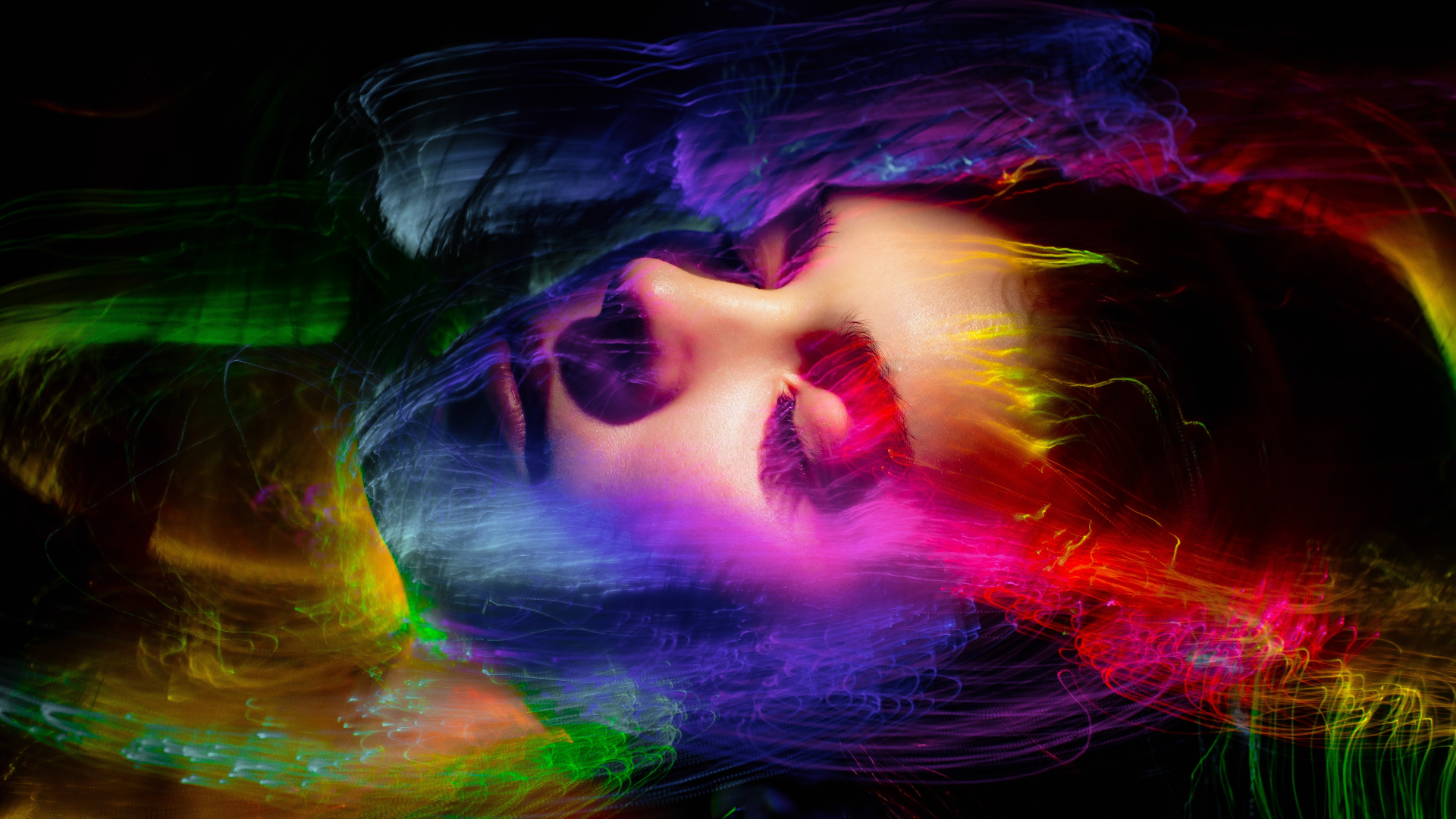
Gen Z is increasingly turning to psychedelics for personal development
Amid growing acceptance of hallucinogens including LSD, magic mushrooms, and DMT as treatment for mental illnesses, new data shows the highest rates of psychedelic use among students since 1982. Disclaimer: all content within this article is provided for general information only, and we are by no means endorsing the...
Current in Wellness

This AI tool identifies anxiety using sound
By listening to the pitch, tone, word choice, and pauses in your speech, it can create a ‘stress portrait’ to illustrate areas of tension within your body. Here at Thred, it goes without saying that we’re suckers for the latest in quirky tech innovations. While we certainly have a knack...

Opinion — Lockdown didn’t hinder my eating disorder, it helped it
Recent research shows lockdown didn’t affect people’s mental health in the way we thought it would. As restrictions lift, so will the obsession with body image. Trigger Warning: this article contains mention of eating disorders. Living with an eating disorder means constantly competing. Competing with yourself, competing with the people around you,...

Opinion – why it’s time we ditched the phrase ‘summer body’
Perpetuating the toxic narrative that we need to alter our physical form for a season is having a serious toll on our mental health. Here’s why we should put the notion behind us once and for all. Trigger Warning: this article contains mention of eating disorders. Every year, as the warmer...

Ariana Grande is giving away $2 million in free therapy
The singer has partnered with a mental health support organisation to encourage today’s youth to seek help without feeling judged. On Tuesday, long-time mental health advocate Ariana Grande took to Instagram to announce that she’s giving away $2 million in free therapy to the public. The sizeable contribution has been made...

The IUD debate proves female pain is seldom taken seriously
Women have begun sharing harrowing stories of their experiences with the contraceptive device on social media, saying they felt under cared-for and misinformed during the insertion process. It’s inherently clear that women find it much harder than men to have their bodies understood within the medical sphere. Last month, responding to...


The pandemic-induced mental health crisis needs more attention
A recent report suggests we're facing ‘the greatest threat to mental health since the second world war,’ and a potential ‘tsunami’ of psychological problems, with Gen Z among the worst affected. It’s no secret that the impact of the pandemic - global devastation, millions of deaths, economic strife, and unprecedented curbs on social interaction - has already had a significant effect on people’s mental health. Of those currently experiencing anxiety and...

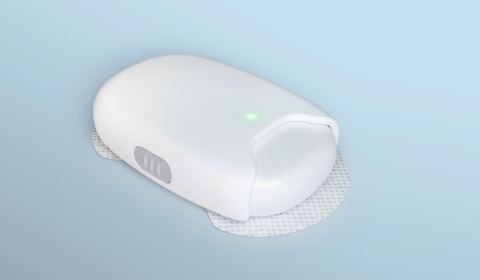
Is ‘wearable ketamine’ the future of pain management?
A biomedical start-up is currently developing a wearable Bluetooth device that administers ketamine like an insulin pump to fight opioid addiction and treat chronic pain. In light of new findings that psychedelic drugs could transform mental health, scientists and researchers alike are persisting with their dedication to change our minds about the revolutionary medical potential of these once heavily frowned-upon compounds. Simply put, the benefits of these substances are getting...
Netflix’s ‘Guide to Meditation’ aims to alleviate the stress of 2020
After a turbulent year, Netflix is helping subscribers to breath, unwind, and reset for 2021 with an original series dubbed ‘Headspace: Guide to Meditation.’ When it comes to evoking a sense of FOMO, 2020 has been the ultimate adversary chiefly because, thanks to the pandemic, everyone has been missing out all year round. Confined to our homes, now in a third lockdown (in the UK), both work and play have been...

The extraordinary medical potential of psychedelic drugs
Could psychedelics transform mental health? A growing number of scientists have begun asking whether mind-altering drugs such as DMT, magic mushrooms, and LSD may also have the potential to help treat anxiety, addiction, and depression. In the first study of its kind, UK regulators have given dimethyltriptamine (DMT) the green light for clinical trial into its effectiveness in treating patients with depression. Known for inducing powerful trips, the hallucinogenic is...