







Could future fashion be grown in a lab?
To eliminate supply chain risks related to human rights, animal welfare, and biodiversity loss, companies around the world have been developing cleaner sources for raw materials. In recent years, most attempts to make the fashion production process more environmentally friendly have fallen short. One that hasn’t, however, is the development...
Current in News

This is the ‘world’s first net-zero carbon shoe’ says Allbirds
Allbirds has shown off a new trainer that boasts a bioplastic sole at the Global Fashion Summit in Copenhagen. It claims the product will be entirely net-zero across its lifetime. Looking for eco-conscious footwear to splash your cash on? Allbirds claims to have developed the first ever ‘net-zero carbon shoe’ that...

Weight-loss jab investigated for suicide risk
Despite being a diabetes medication, people without the health condition have been buying Ozempic due to its appetite curbing side-effects, which led to global shortages earlier this year. Now, it’s being reviewed by European regulators over a possible connection to thoughts of self-harm among users. Earlier this year, discourse...

The rise of the ‘no-wash’ revolution
A growing cohort of people have joined the ‘no-wash’ movement, opting to cut back on doing laundry to reduce their environmental impact and help their clothes last longer. Resale, rental, regeneration – you name it. In 2023, there’s no shortage of ways for the style-obsessed to ensure we’re being...
The fashion industry is a huge contributor to modern slavery
Walk Free’s new Global Slavery Index estimates that 50 million people are living in modern slavery worldwide, up 10 million since 2018. As suggested by the findings, garment production is largely to blame for this dramatic increase. According to the latest findings from Walk Free’s Global Slavery Index, the number...

TikTok sparks conversations about disability in the beauty industry
Rare Beauty has received praise from disabled customers for their easy-to-use packaging, sparking critical conversations about the beauty industry’s lack of inclusivity. Since launching in 2020, Selena Gomez’ beauty brand ‘Rare Beauty’ has enjoyed staggering success. With sleek branding, shade variety, and trend-worthy products, the makeup line made $60 million...


Angeline Jolie is launching a purpose-driven fashion brand
The actress and UN ambassador’s new venture will utilise deadstock and tap into the abilities of ‘refugees and other talented, under-appreciated groups, with positions of dignity based on skill.’ In the past few years, it’s become commonplace for celebrities to broaden their creative output. From seemingly endless forays into fashion, to the copious beauty brands that A-listers have founded, these days it’s almost unusual for our favourite actors,...


New report suggests the beauty industry is ignoring net zero
Titled ‘greenhouse gloss,’ Carbon Trust’s inquiry into the sector’s commitment to tackling climate change has uncovered that some major brands’ sustainability efforts are falling short.
Although the beauty industry’s impact on the environment pales in comparison to fashion’s (which itself accounts for ten per cent of humanity’s total emissions), the sector’s practices are very much taking their toll.
From unsustainable resource consumption and the

Australia to set a world-first standard for composting textiles
To combat the country’s 260,000-tonne-a-year fashion waste problem, lingerie company Very Good Bra has launched a campaign to improve natural garment recycling practices. According to a report by the Australian Fashion Council (AFC) published last May, Australians buy 14.8kg of clothing, or 56 new items, annually, making the country one of the highest consumers of textiles per capita in the world. Not only this, but there are 1.42bn garments – amounting...
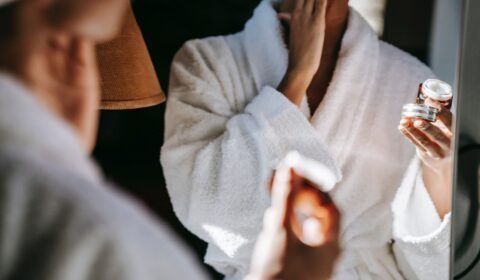
Our obsession with collagen is hurting the planet
An investigation into the supply chains of this ‘wonder product’ for skin, ageing, and health that’s at the centre of a global wellness craze has uncovered a dark side to its cultivation. Collagen, which makes up 60 per cent of our cartilage, accounts for 70 to 80 per cent of the dry weight of skin, and features in other connective tissues such as tendons, muscles, and bones, is the most...