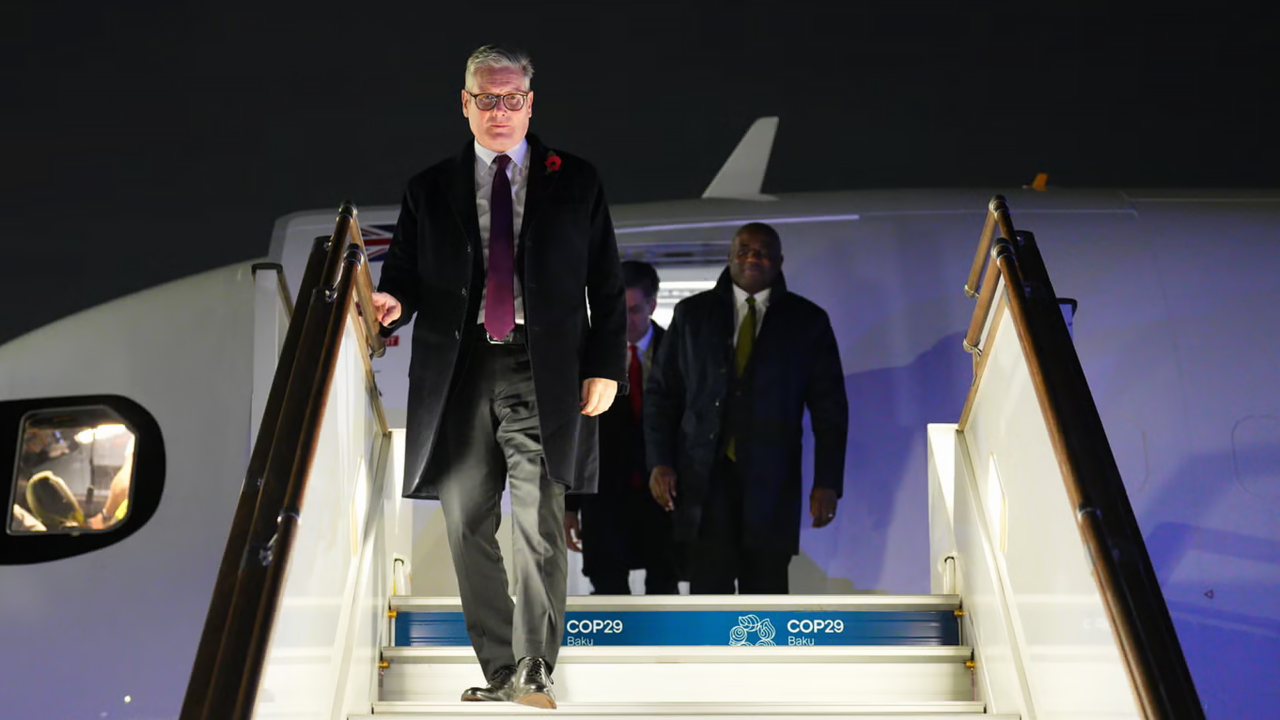
How realistic is Keir Starmer’s COP29 pledge?
The Prime Minister’s goals may be loud, but is anyone listening? Prime Minister Keir Starmer’s commitment for the UK to slash greenhouse gas emissions by 81% by 2035 at the COP29 climate summit has been hailed by some as a brave push for climate leadership. The pledge is marginally more ambitious...
Current in Planet

COP29 summit Azerbaijan: live coverage
The 29th iteration of the Conference of the Parties is now underway in Baku, Azerbaijan. Over the next two weeks, we’ll bring you the essential information from each thematic day. Will national delegates make a genuine impact, or are we looking at another greenwashing fest? We’re back for yet another...
Himalayan glacial lakes are expanding at an alarming rate
Driven by climate change and as a result of rising temperatures, this is rapidly heightening the risk of floods that have the potential to devastate communities across the region. Over the past 13 years, the overall area of Himalayan glacial lakes has increased by more than 10 per cent, from...

Darjeeling zoo’s trailblazing efforts to save the endangered red panda
Not only has it successfully rewilded nine in the past two years – with plans to release a tenth soon – but has established India’s first genetic biobank facility to preserve the DNA of vulnerable Himalayan species. At the heart of Darjeeling Zoo’s success is its Topkeydara Conservation Centre,...
Which of our favourite foods could disappear in a warmer world?
The climate crisis poses risks to all living beings on Earth, including the plants and animals we choose to feed ourselves with. Which of our favourite ingredients could disappear from menus in a warmer world? When thinking about what life might be like warmer world, we tend to focus on...
Global warming confirmed to be supercharging deadly weather
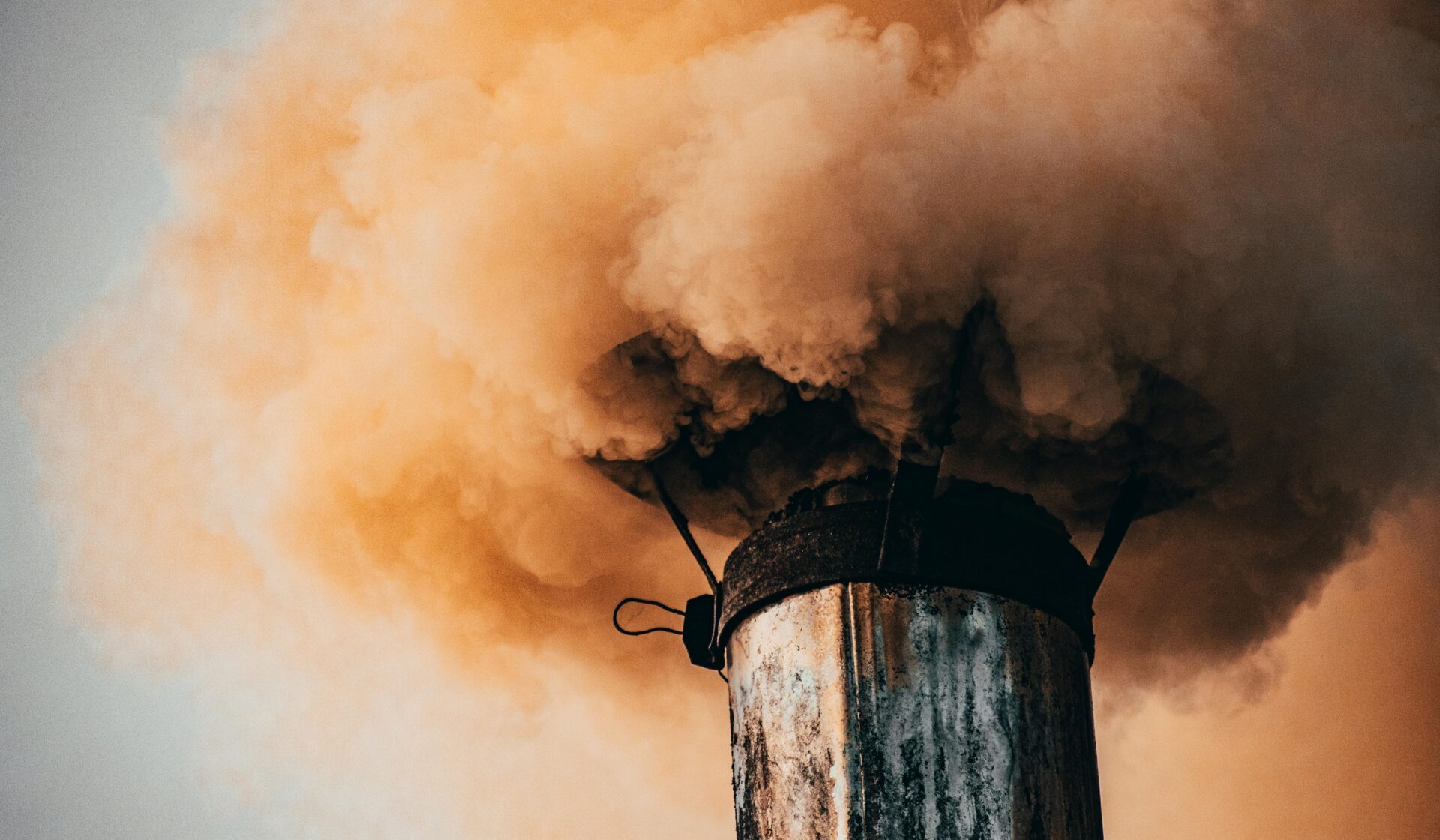
A database of hundreds of studies compiled by Carbon Brief has provided overwhelming proof that previously ‘impossible’ heatwaves would have had virtually zero chance of happening without the additional heat trapped by fossil fuel emissions. Confirming what most of us already suspected, a new analysis has provided...

India ranks lowest in Global Nature Conservation Index
The country’s environmental protection efforts are being scrutinised after it ranked 176th. India’s score of 45.5 out of 100 in this year’s Global Nature Conservation Index positions it among the worst-performing countries in the world. The assessment, conducted by Ben-Gurion University and BioDB, looked at land management, biodiversity threats, governance capacity, and future trends. India’s poor rating stems primarily from ineffective land management practices and escalating threats to its...


Everything you need to know about COP
The 29th session of the Conference of the Parties to the United Nations Framework Convention on Climate Change is kicking off in Baku, Azerbaijan, and will be continuing for the next two weeks. What’s the purpose of the annual summit, what’s the focus this year, and after almost three decades of discussions, can we be hopeful that they’ll actually make an impact this time? Every year since the mid-1990s, world...

Implications for the climate under a second Trump term
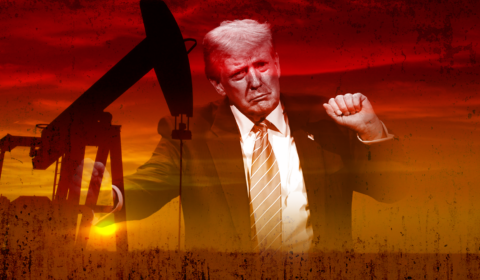
There’s been nothing to suggest Trump isn’t still in his ‘drill, baby, drill’ bag. Here’s a reminder of why a second term of his presidency is so concerning for US climate reform. Election day has been won by Donald Trump. Whether that is cause for despair or celebration depends who you ask, but there’s no denying the seismic blow US climate policy has just taken. Scientists have stated that there’s a...


Why doesn’t the US want to collectively save nature?
Besides the Vatican, it’s the only nation in the world that hasn’t joined the Convention on Biological Diversity – the single most important global treaty designed to safeguard Earth’s animals and ecosystems. What’s behind this reluctance to stave off ecological collapse? As it stands, only two countries haven’t joined the UN Convention on Biological Diversity (CBD): the Vatican and the US. Given America has some of the strongest...