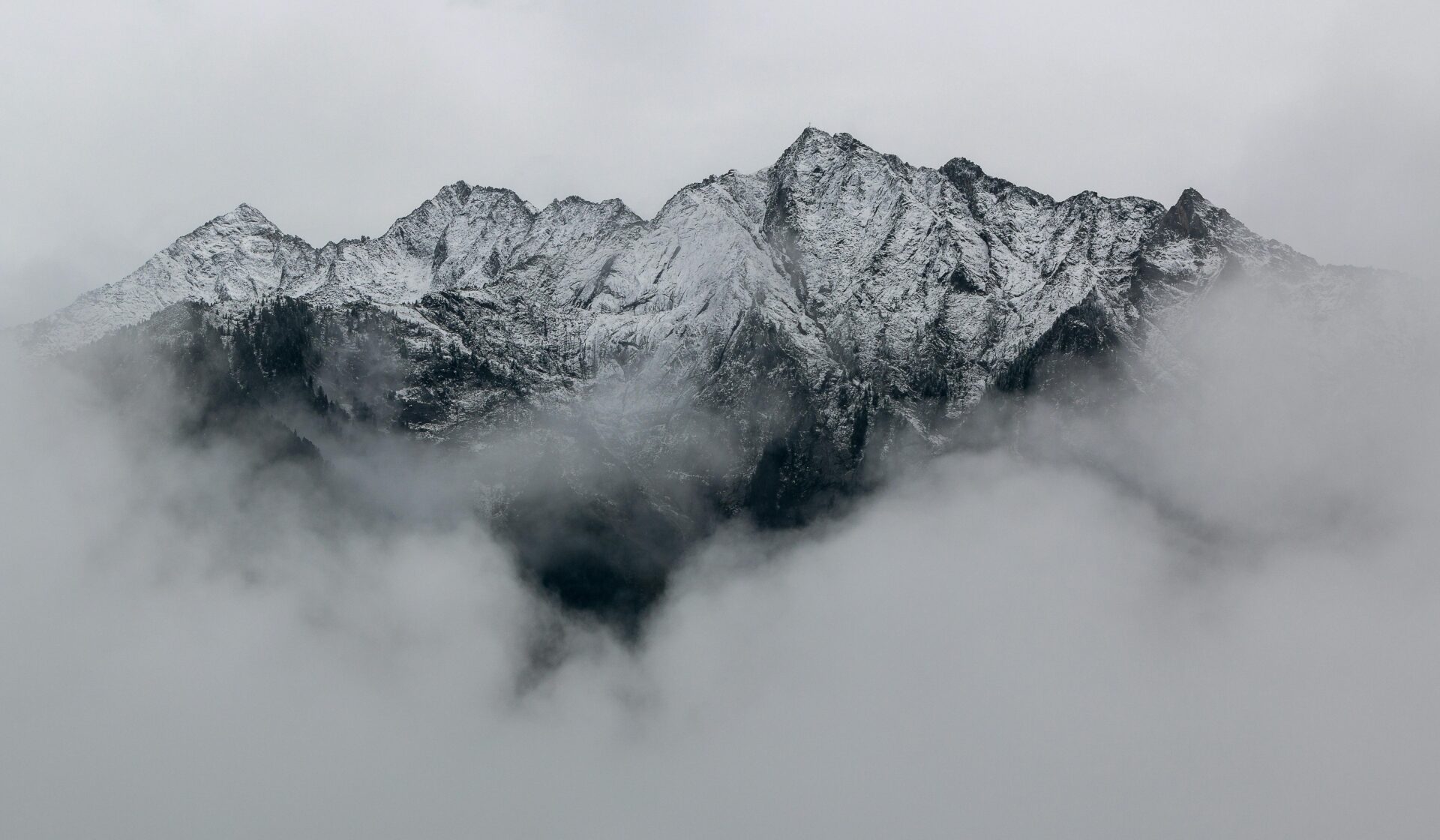
Venezuela the first country in modern history to lose all its glaciers
The South American nation was home to six glaciers in the Sierra Nevada de Mérida mountain range, five of which have disappeared within the last century. Its only remaining one, known as La Corona, has now shrunk so much due to climate change that scientists have reclassified it as...
Current in Planet
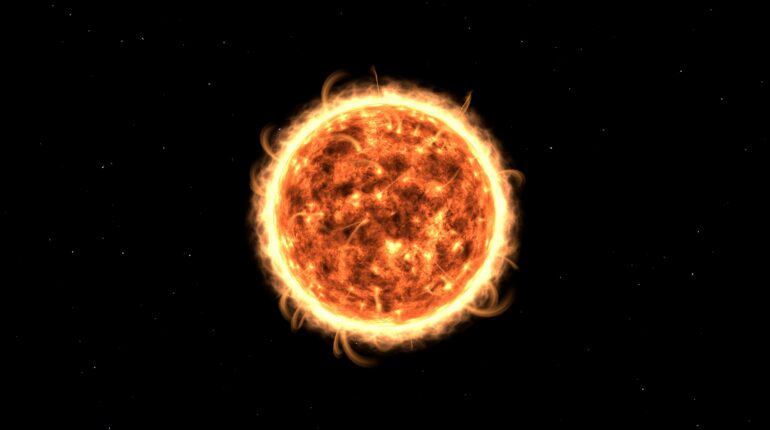
Scientists expect temperatures to rise to at least 2.5C
Hundreds of experts from the Intergovernmental Panel on Climate Change (IPCC) believe that global heating will blast past internationally agreed targets, with disastrous consequences for humanity and the planet. According to a recent report, hundreds of the world’s leading climate scientists expect our planet to breach the internationally agreed 1.5C...

Thousands of free trees given to Belgian citizens in new initiative
The local council in Belgium’s capital city is handing out 2,000 trees to residents with a garden or unpaved space available to plant them in. Aiming to create a greener urban landscape in Belgium’s capital city, Antwerp’s local council is embarking on a project that invites citizens to get involved...

Investigation reveals scope of Big Oil’s deception and greenwashing
A US Democrat committee has found that Big Oil deliberately downplayed the dangers of fossil fuels. Its major players have also reportedly lobbied against climate laws they backed publicly for years. Big Oil is at it yet again. The latest scoop courtesy of US Democrats reveals that fossil fuel giants...

Decade-long study shows conservation efforts are succeeding
A study published in the journal Science has revealed numerous success stories from conservation groups around the world. With so many negative news stories regarding the state of our planet swirling around, it’s easy to believe that decades of reckless human activity are causing the survival of our natural world...

Why did Earth Day choose to prioritise plastics this year?
Every year, Earth Day picks a specific environmental theme to focus on. Why did it select plastics for 2024? Did you take part in Earth Day this year? As part of its annual events and activism, this environmental movement places emphasis on a specific theme. In 2024, plastic was the...


The black market for greenhouse gases is thriving
Hydrofluorocarbons are supposed to be dying out under the terms of a global treaty. The compounds represent a major threat to our climate, but remain in hot demand for shady businesses unwilling to change. No, this isn’t leftist propaganda. Greenhouse gas emissions are technically being sold on the black market. But how and why? The Environmental Protection Agency is scrambling to wean the planet off gases called hydrofluorocarbons (HFCs) before they...

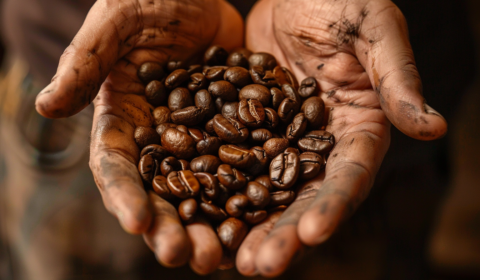
How is coffee being affected by the climate crisis?
Already, rising temperatures are leading to lower yields and higher prices. If global heating continues to worsen, the land suitable for coffee cultivation will halve by 2050 and the plant itself could disappear entirely by the end of the century, which would have a profound impact on the 120m people worldwide whose livelihoods depend on its beans. For many, climate change remains a distant threat. Though the crisis dominates our news...


What is Earth Day and why do we mark it every year?
Earth Day takes place on the 22nd April every year, with more than 190 countries participating around the world. What is Earth Day, and why is it a big deal? This week, the world is celebrating and participating in Earth Day, a moment taken each year to consider our environmental impact and highlight the importance of sustainable living. Created in 1970 in the US, the movement was originally intended to...


Antarctic wildlife at risk of being ‘sunburnt’
The hole in the Earth’s ozone layer is remaining open for longer periods than previously observed. This is exposing penguins, seals, and other animals to heightened levels of harmful UV radiation. We know that temperatures are rising. We also know that summer months are becoming warmer and will continue to do so until we phase out fossil fuels and drastically reduce emissions. For humans, while the impacts of extreme heat can be...