





















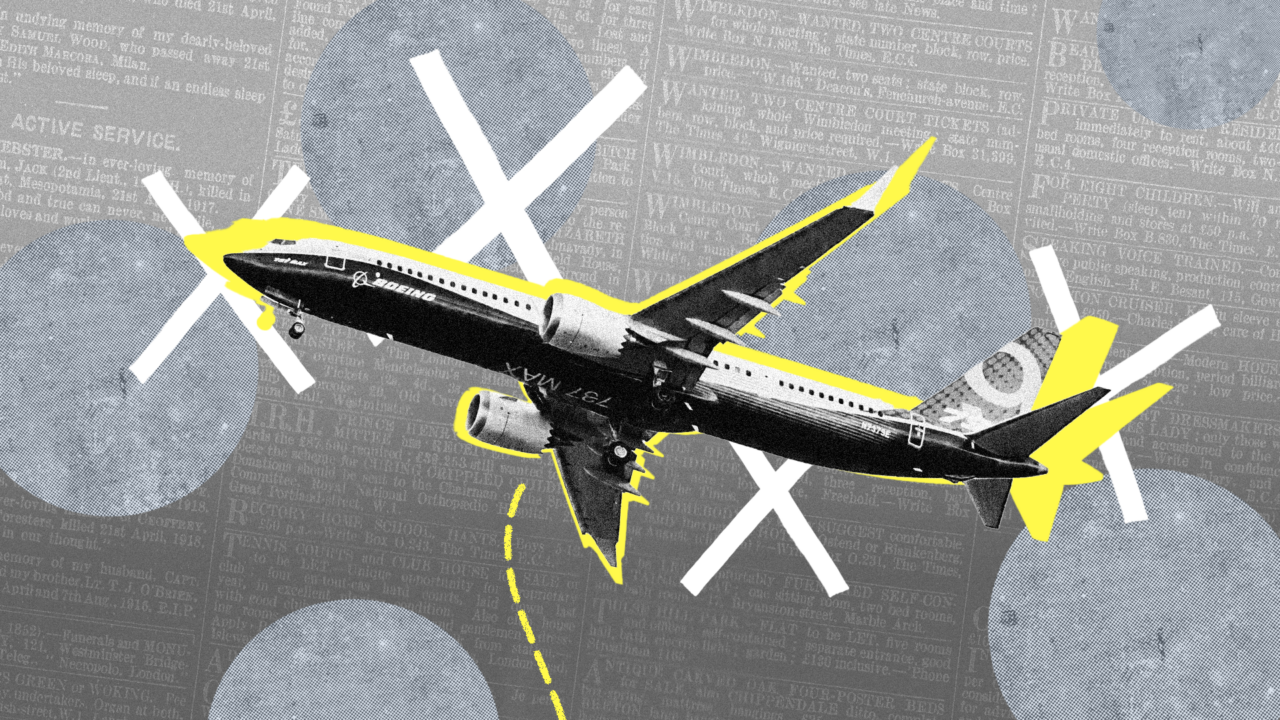
Boeing’s scandals prove why industry monopolies are problematic
Despite a slew of controversies, dangerous in-flight incidents, and two deadly plane crashes caused by faulty software, Boeing’s chokehold on the aviation industry is unlikely be relinquished. In January of this year, a Boeing plane door blew off during flight and landed in a high school teachers’ garden in Oregon,...
Current in Change
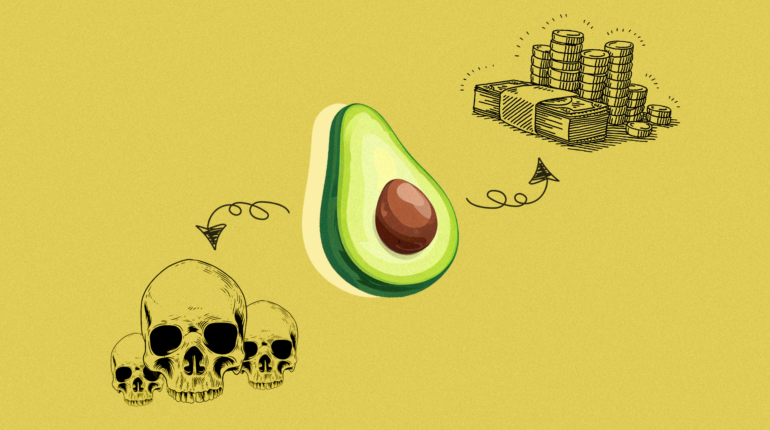
Our avocado obsession is fuelling organised crime
While it’s well-known that global consumption of the fruit is wreaking havoc on the planet, many are blind to how it’s affecting those working tirelessly to meet ever-increasing demand. As with other foods that have become trendy or widely used, intensive production bears a heavy human impact. These days, it’s...
India’s gig workers grapple with climate change
India's rapidly growing gig economy conceals a harsh reality: its workers, particularly delivery agents, face the brunt of rising temperatures and heatwaves exacerbated by climate change, putting their health and livelihoods at risk. The scorching reality of India's climate crisis is evident in recent projections: by 2050, the country is...

Survey highlights mental health struggles in the US for LGBTQ+ youth
A harrowing new survey by The Trevor Project paints a grim picture of the mental health struggles faced by LGBTQ+ youth in the United States, highlighting the urgent need for action. The mental health crisis facing LGBTQ+ youth in America is reaching alarming proportions, according to a new survey by...
Explaining nuclear treaties amid Russia’s concerning drills
Russia's recent tactical nuclear weapons drills, in response to perceived Western threats, have raised concerns about treaty violations and global nuclear security destabilization. Nuclear deterrent policies have played a crucial role in preventing a nuclear war since the catastrophic events of World War 2. Following this, nations globally recognized the...
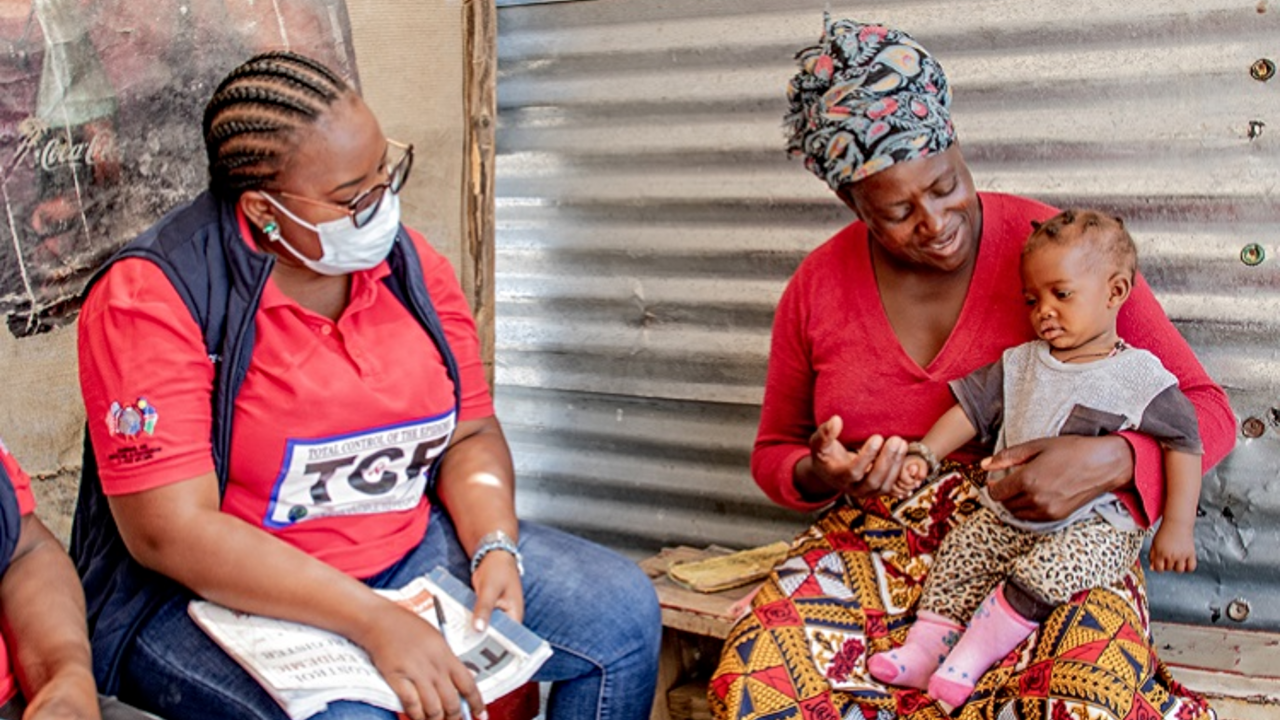
Namibia eliminates mother-to-child transmission of HIV and Hepatitis B
The World Health Organization (WHO) has hailed Namibia for its unprecedented success in eliminating mother-to-child transmission of HIV and Hepatitis B. The country becomes the first in Africa to reach such a milestone. For years, Namibia grappled with the devastating effects of HIV and Hepatitis B, particularly among pregnant...


Venezuela the first country in modern history to lose all its glaciers
The South American nation was home to six glaciers in the Sierra Nevada de Mérida mountain range, five of which have disappeared within the last century. Its only remaining one, known as La Corona, has now shrunk so much due to climate change that scientists have reclassified it as an ice field. Venezuela’s single remaining glacier, known as La Corona, has shrunk so much that scientists have reclassified it as...

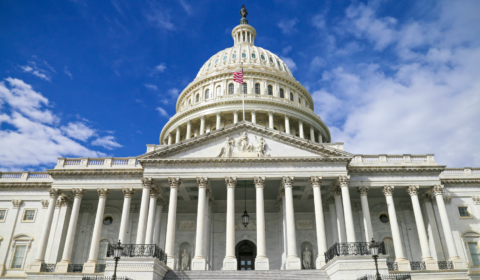
Breaking down Biden’s $95 billion aid package for US allies
The legislation signed by President Joe Biden allocates $95 billion in emergency spending for aid to Ukraine, Israel, and Taiwan. However, critics argue that the aid package reflects US efforts to maintain global leadership amid a potential power grab by China. In late April, President Joe Biden signed a $95 billion bipartisan emergency spending law to provide aid for US allies Ukraine, Israel, and Taiwan. An estimated $26 billion is...


Why some countries are paying people to cycle to work
Across Europe, more and more people are swapping cars and public transport for bikes. Great for our health and the planet’s, several businesses have begun rewarding this form of commuting. Commuting can be pretty bleak. For those of us in the UK, this is especially the case during summer, when getting to work involves squeezing onto the tube like sardines in a tin – except on occasion that tin reaches temperatures...

Scientists expect temperatures to rise to at least 2.5C
Hundreds of experts from the Intergovernmental Panel on Climate Change (IPCC) believe that global heating will blast past internationally agreed targets, with disastrous consequences for humanity and the planet. According to a recent report, hundreds of the world’s leading climate scientists expect our planet to breach the internationally agreed 1.5C threshold by 2027 and temperatures to rise to at least 2.5C above pre-industrial levels this century. This is due to emissions...