The Israeli-Palestinian conflict is an ecological disaster
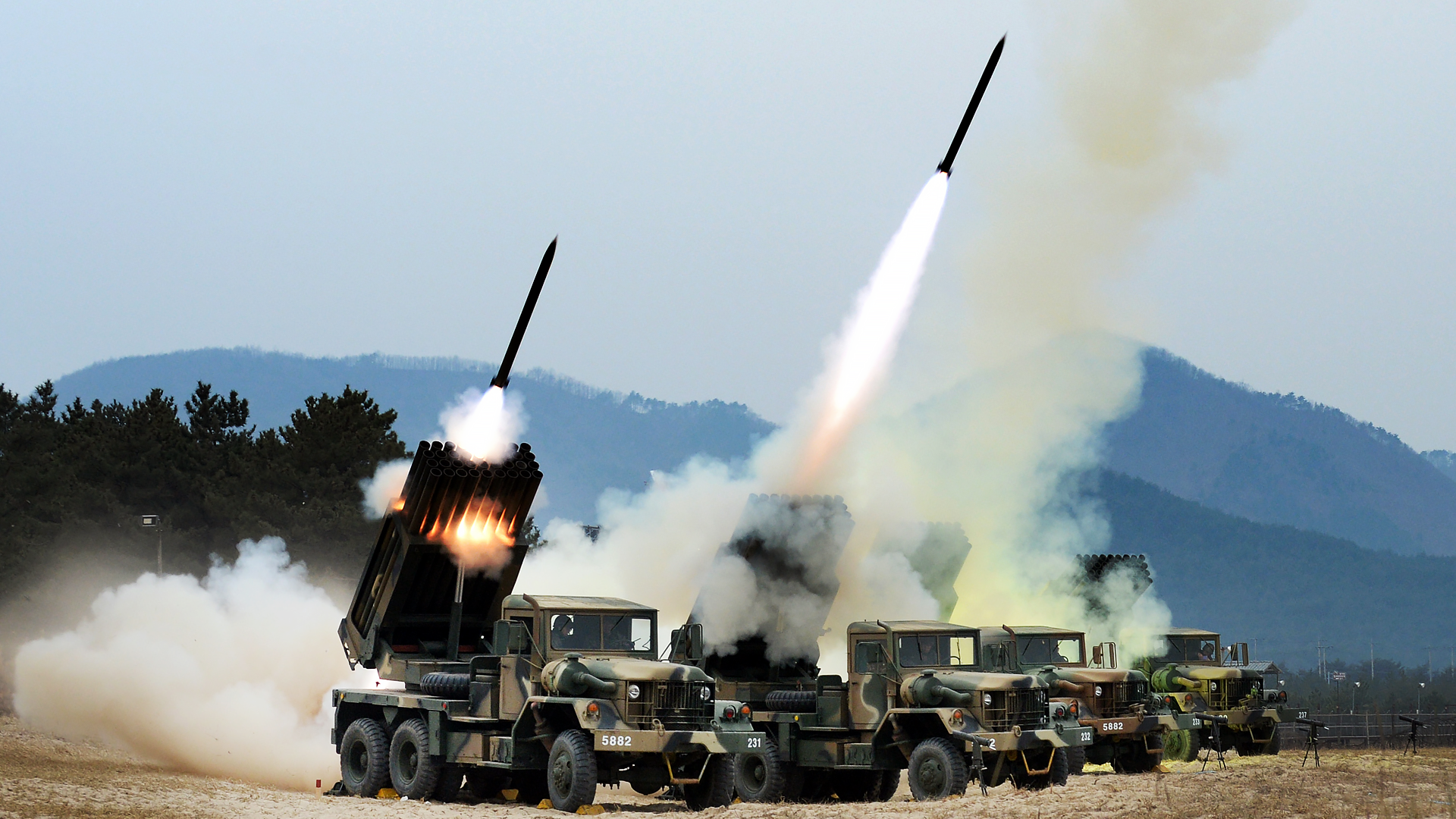
According to new research, the planet-warming emissions generated during the first two months of the war in Gaza were greater than the annual carbon footprint of more than 20 of the world’s most climate-vulnerable nations. It’s no secret that war is bad for the environment, with toxic chemicals left polluting...
Current in News

2023 exposed a ‘global postcode lottery stacked against the poor’
An analysis of this year’s top 20 costliest extreme natural disasters has revealed that countries less able to rebuild or which have contributed least to the climate crisis suffer the worst. According to Christian Aid, there exists a ‘global postcode lottery stacked against the poor.’ This refers to the price that...

UN says a ‘demitarian’ diet is better for the planet than veganism
In a recent study, researchers found that halving meat and dairy consumption could have a greater impact on cutting nitrogen pollution than foregoing animal products altogether. Last year, it was revealed that the agriculture industry is responsible for about a quarter of our total greenhouse gas emissions, the main contributor being livestock...

COP28 moves to protect the natural world: historic or not enough?
While conservation groups have praised the inclusion of biodiversity and a 2030 global deforestation goal in the UAE consensus that emerged from this year’s summit, concerns remain. Last December, delegates from almost 200 nations at the ‘last chance’ COP15 conference in Montreal reached a ‘historic’ deal to halt biodiversity loss. Pledging...

What are nanoplastics and why have scientists sounded the alarm?
A potentially much more nefarious and less understood threat than microplastics has health experts concerned after scientists uncovered a link between tiny particles of polyester and changes in brain proteins associated with Parkinson’s disease and certain types of dementia. Just when you thought our plastic pollution problem couldn’t get any...
Pledges to loss and damage fund fall short at COP28
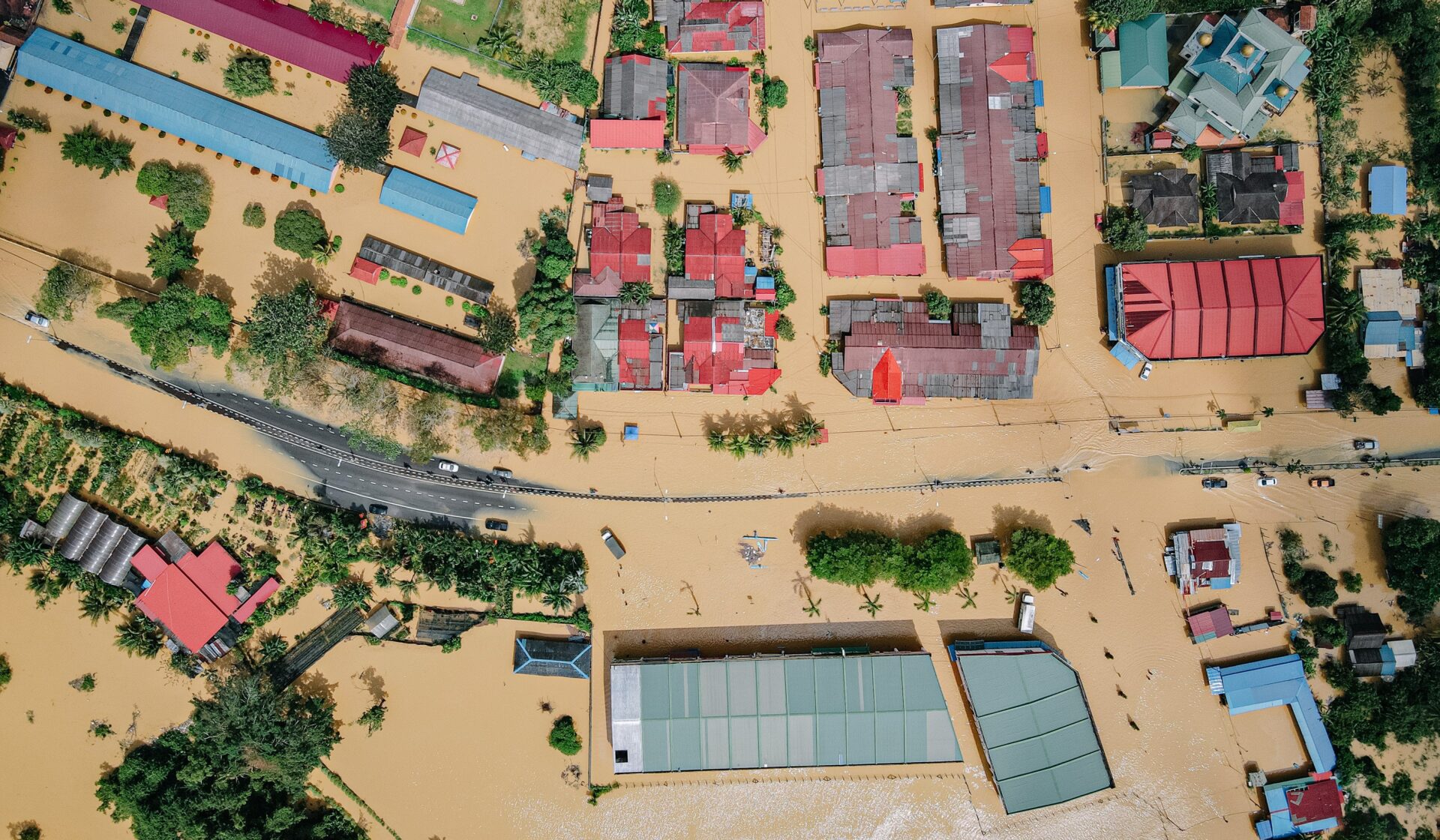
The wealthy countries most responsible for the climate crisis have so far contributed a combined total of just over $700m. This is nowhere near enough to help the world’s most vulnerable nations cope with the damage caused by slow onset disasters and extreme weather events. Day one of COP28 saw...


A UK museum has reclassified a Roman emperor as a trans woman
The decision highlights a museum’s responsibility to constantly question expected truths. The North Hertfordshire Museum isn’t necessarily a well-known institution. Located in a quaint town hall in the south of England, the galleries fade in the shadow of major British cultural spaces. But this small historical museum has put itself firmly on the map after reclassifying a 3rd-century Roman Emperor as a trans woman. Roman Emperor Elagabalus (Marcus Aurelius Antoninus Augustus) ruled...


Climate change is affecting human brain function
Though we’ve known for a while that environmental factors can alter the way our brains function, researchers have only just begun to examine the links between climate change and neuroscience. Since the 1940s, scientists have known from conducting studies on mice that changing environmental factors can profoundly impact the development and plasticity of the brain. More recently, due to the exacerbation of the climate crisis and the threat to our...

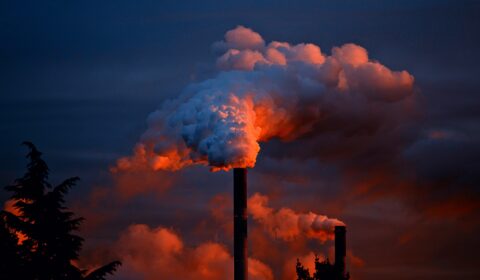
Richest 1% emit as much pollution as two-thirds of humanity
According to a recent report on climate inequality conducted by Oxfam, the planet-heating carbon emissions generated by the world’s wealthiest surged to 5.9 billion tonnes in 2019 – enough to cause 1.3 million excess deaths due to extreme heat. The richest 1% of humanity are responsible for around the same percentage of global carbon emissions as the 5 billion people who represent the 66% poorest, with dire consequences for...

2023 is officially the hottest year in the last 250,000 years
Two new reports confirm 2023 to be the hottest year in modern history. We are living through global warming in real time. This week, it was confirmed that 2023 is the hottest year in the past 125,000 years – meaning we’ve already lived through the warmest 12 months in human history (give or take a few years). While we still have over a month until 2024, EU scientists have said it’s ‘virtually...