
























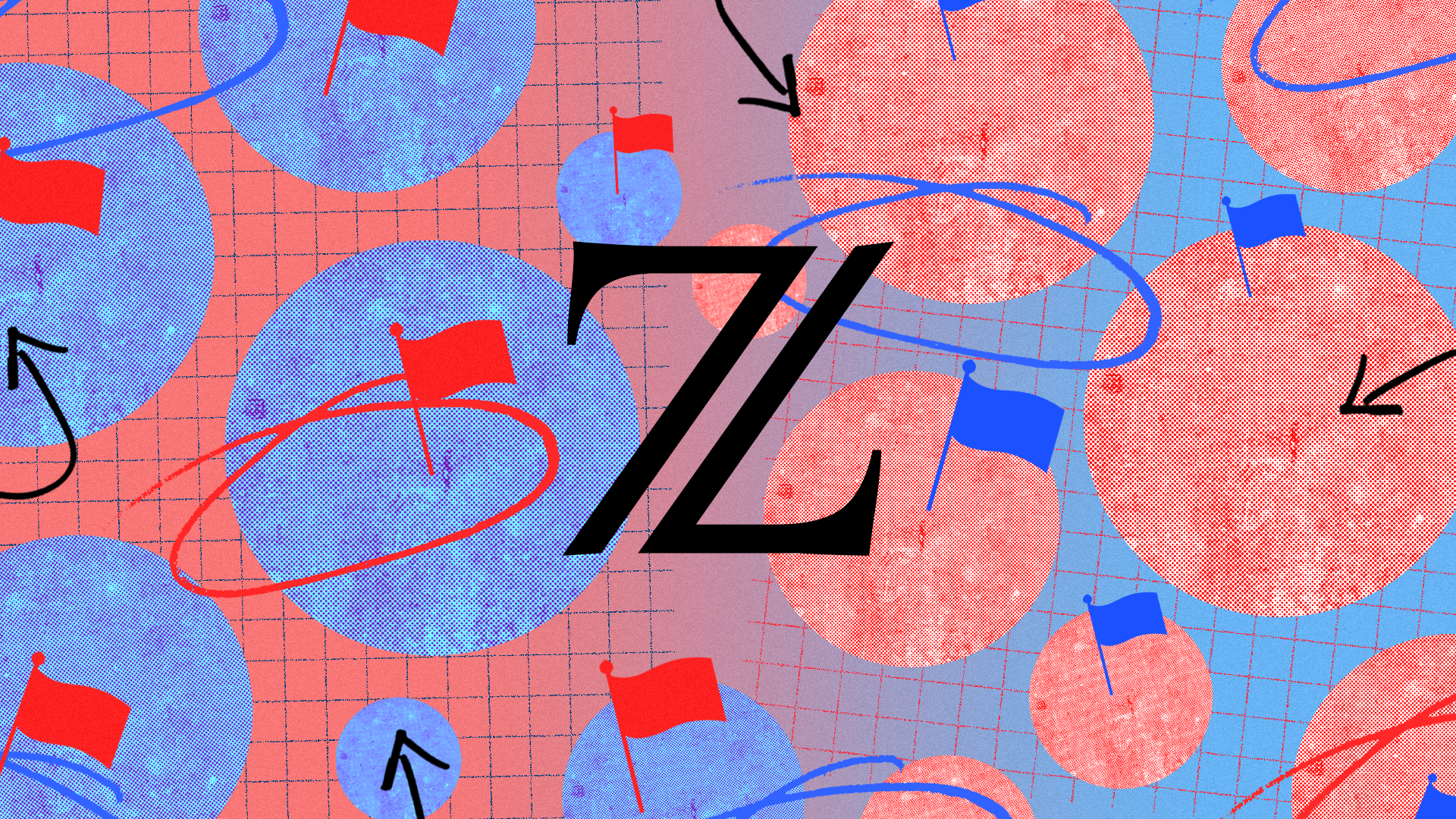
A stark ideological divide is emerging globally among Gen Z
New research has revealed that the demographic is increasingly split on political issues, with young men becoming more conservative and young women becoming more progressive. Something unexpected is happening between Gen Z men and women. Over the past decade, numerous studies measuring public opinion have uncovered that notoriously progressive young people...
Current in News

Arsenal’s all-white kit is fighting youth knife crime
The North London football team sported an all-white kit this week as part of their annual ‘No More Red’ campaign. When Arsenal players stepped out on their home pitch last Sunday, something was different. Instead of their usual red kit, they wore an all-white get-up, complete with a clean, minimalist...

Women added to committee for COP29 after gender bias backlash
Last week, Azerbaijan’s president announced an all-male panel for the global climate summit, which the country will host in December. This decision was immediately condemned by campaigners as regressive, sparking an inclusivity U-turn. On January 15, the president of Azerbaijan announced that the organising committee for the COP29 global...

British Sign Language will now be taught as a GCSE subject
The introduction of BSL to the UK education system is a vital step towards a more inclusive society. After a 12-week consultation with the deaf and hearing communities, the Department of Education has announced that British Sign Language (BSL) will be introduced as a GCSE option from September 2025. The government’s...

Drug consumption rooms could save thousands of British lives
The world’s largest review of drug consumption rooms reveals that they are integral to harm-reduction and could slash the transmission of fatal diseases. In addition, they may help reduce pressure on ambulance callouts and the burden on UK hospitals. Data published by the Office for National Statistics shows that...
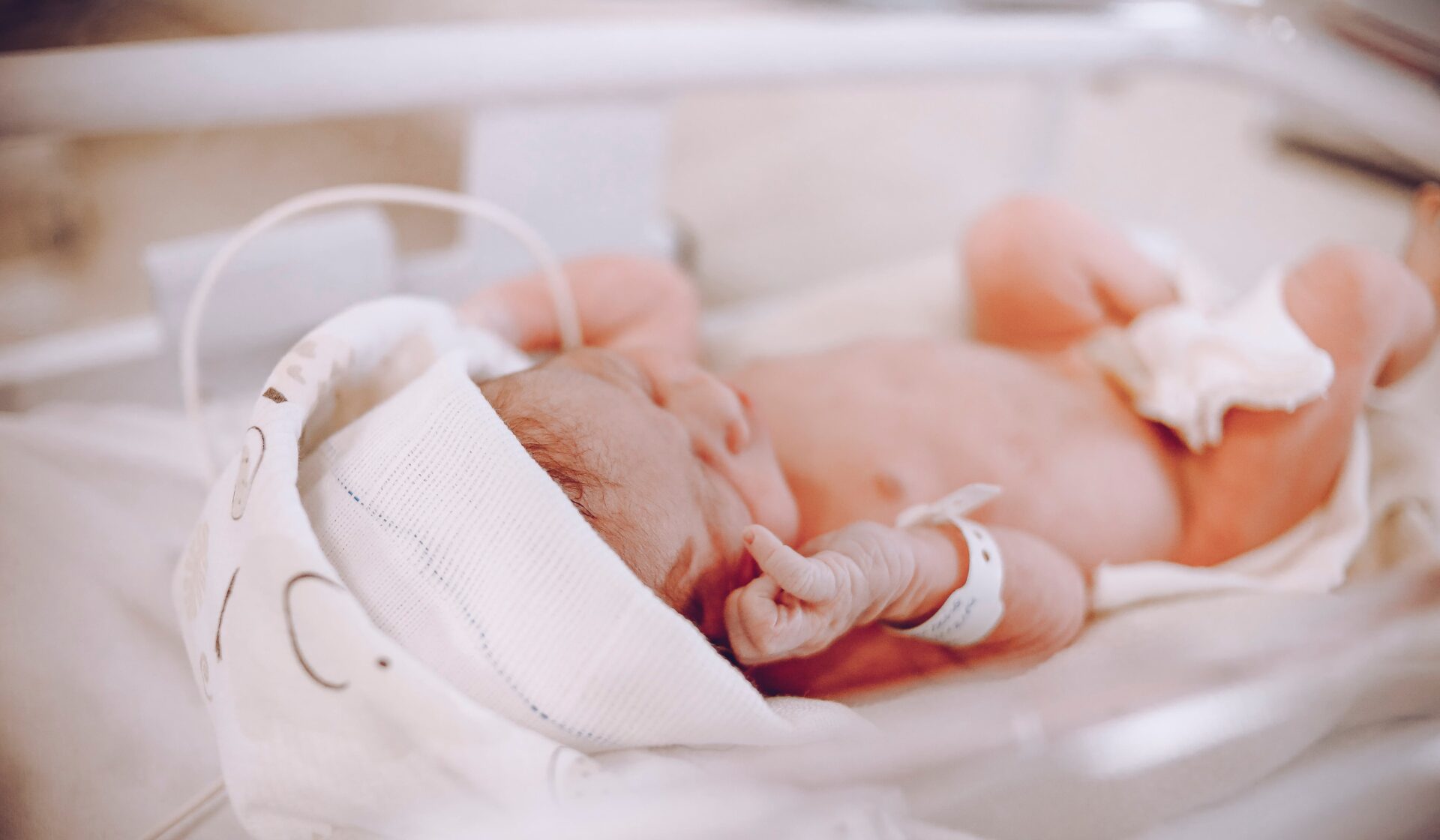
Climate change is impacting babies’ birth weight
According to a new study, exposure to cold or heat stress, particularly in the latter stages of pregnancy, leads to children being too large or too small for their gestational age. Last year was the hottest on record by an enormous margin, with the Earth 1.48°C warmer than pre-industrial...

The Israeli-Palestinian conflict is an ecological disaster
According to new research, the planet-warming emissions generated during the first two months of the war in Gaza were greater than the annual carbon footprint of more than 20 of the world’s most climate-vulnerable nations. It’s no secret that war is bad for the environment, with toxic chemicals left polluting soil and water for decades after the fighting has ceased. What’s often not considered, however, is the long-term...


KCLSU officers suspended for advocating against Gaza genocide
On November 27th, three officers of the King’s College London Students’ Union released a statement condemning the silence on Israeli military actions and advocating for solidarity with Gaza's victims. The officers were subsequently suspended, raising concerns about dissent suppression. ‘This temporary reprieve from Israeli military actions has led us to the unequivocal conclusion that silence is no longer acceptable, and students deserve an explanation for the deafening silence of their...

2023 exposed a ‘global postcode lottery stacked against the poor’
An analysis of this year’s top 20 costliest extreme natural disasters has revealed that countries less able to rebuild or which have contributed least to the climate crisis suffer the worst. According to Christian Aid, there exists a ‘global postcode lottery stacked against the poor.’ This refers to the price that people pay for climate change-induced natural disasters, which varies dramatically across countries. By looking at 20 extreme weather events from the...
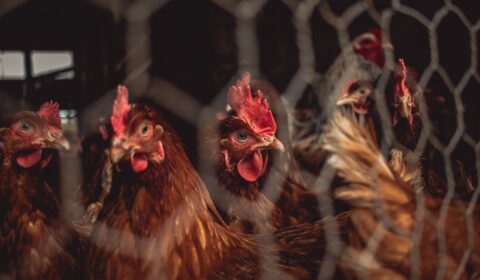
UN says a ‘demitarian’ diet is better for the planet than veganism
In a recent study, researchers found that halving meat and dairy consumption could have a greater impact on cutting nitrogen pollution than foregoing animal products altogether. Last year, it was revealed that the agriculture industry is responsible for about a quarter of our total greenhouse gas emissions, the main contributor being livestock and fisheries. Yet although the drastic environmental impact of meat and dairy production has been at the forefront of...