

























Latest Stories from Jamie

Samsung is repurposing fishing nets for its future devices
As part of its broader ‘Galaxy for the Planet’ initiative, the mobile giant is eliminating all plastic waste in its packaging and is using discarded fishing nets in the builds of future devices. With mobile companies relentlessly rolling out new iterations of their phones, e-waste is becoming an increasingly sizable problem as the years roll by. It’s estimated that by 2030, we’ll produce 74 million tons of gadget waste every...


Preventing pandemics would cost 5% of the damage they inflict
Every year, the world loses approximately $500bn due to economic fallouts spurred by zoonotic diseases. The cost of preventing them in the future, according to a recent report, could be just $20bn. Though Covid-19 has obviously taken a huge toll on the world, claiming more than 5 million lives and costing trillions in economic losses, it’s far from the first zoonotic virus – one which is spread from animals to...
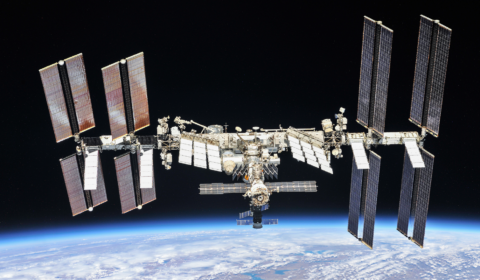
International Space Station will crash land into watery retirement in 2031
The zero-gravity research station will continue operations until 2031, at which point it will re-enter the Earth’s atmosphere for the first time since 1998. Shortly after, it will crash land in a remote region of the Pacific Ocean. After what will be a 33-year lifespan - facilitating on-hand, ground breaking inter-planetary research - the ISS will smash into the Pacific in a fiery blaze of twisted metal. What a dignified...
Study shows climate crisis responsible for shifting Earth’s axis
The constant melting of glaciers as a result of global warming has reportedly caused marked shifts in the Earth’s axis of rotation. Research suggests the length of our days may have even changed by milliseconds since the 90s. It feels like the events of the last few years have turned the world upside down, metaphorically speaking. In reality, it appears we quite literally shifted the axis of Earth’s rotation decades ago...
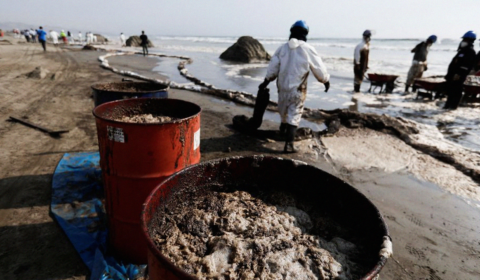
The curious hair-filled implements helping with oil spills in Peru
The Peruvian government has declared an environmental emergency after 6,000 barrels of crude oil spilled off the coast of Lima. Citizens are now helping beach clean-up efforts in an ingenious, albeit strange way. If you weren’t already donating hair to help oil clean-up initiatives, you need to get with the times. A volcanic eruption in Tonga this January has resulted in Peru’s ‘worst ecological disaster’ of recent years. The force of...

What could a global tax on those with $5m wealth pay for?
Globally, there are 3.6 million people that have accumulated more than $5m in wealth – more than 2,600 of them being billionaires. If there were an annual tax on these individuals, here’s what it could pay for. How’s vaccinating the entire planet, for starters? Global wealth distribution is up there as one of the very tetchy-est subjects, so prepare to be triggered. Around the world, there are 3.6 million people today...
Hydrogen: the key to decarbonising the planet?
Hydrogen is a clean, versatile fuel that doesn’t produce any greenhouse gas emissions and all it requires to release energy is oxygen. To date, our utilisation of it has been marginal at best, but here’s why it could transform the energy sector in the years to come. With the aim of preventing an impending climate crisis, could it be that the first element on the periodic table is a vital...
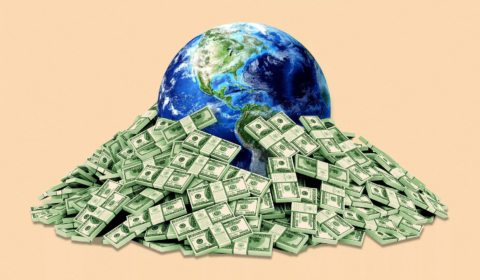
An extra $3.5 trillion a year is the price tag for a net zero transition
Grandiose ambitions of transitioning to net zero economies within the next decade are nothing without serious real-life investment. Now, thanks to a recent report from McKinsey & Company, we know roughly what that sum equates to. Unfortunately, decarbonising entire industries isn’t quite as simple as offering up renewable alternatives and flicking a switch. While us, the people, can make conscious decisions to limit our own impact on the planet, sadly we’re...
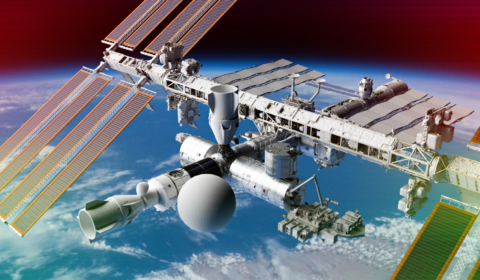
Space-based film studio officially in development for 2024
Space Entertainment Enterprise, co-producers of Tom Cruise’s forthcoming space-set film, has announced plans to build a fully-fledged production studio 250 miles above Earth. Remember back in 2020, when Tom Cruise teamed up with Elon Musk’s Space X to shoot the first ever feature film in space… no? That’s probably because it never happened. Plans to send Cruise and director Doug Liman into zero gravity stalled over issues with the $200m budget,...
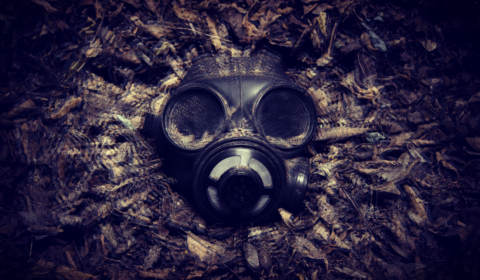
Chemical pollution reportedly passes safe limit for humanity
A study on Earth’s cocktail of chemicals suggests pollution levels are threatening the stability of ecosystems on which life physically depends. Fear mongering really isn’t our thing, but we would be remiss not to bring you the unfiltered facts. Though it can’t be verified officially, researchers have reason to believe humanity has now likely breached planetary boundaries of chemical damage – the point at which natural ecosystems stop functioning as they...

