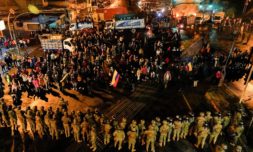
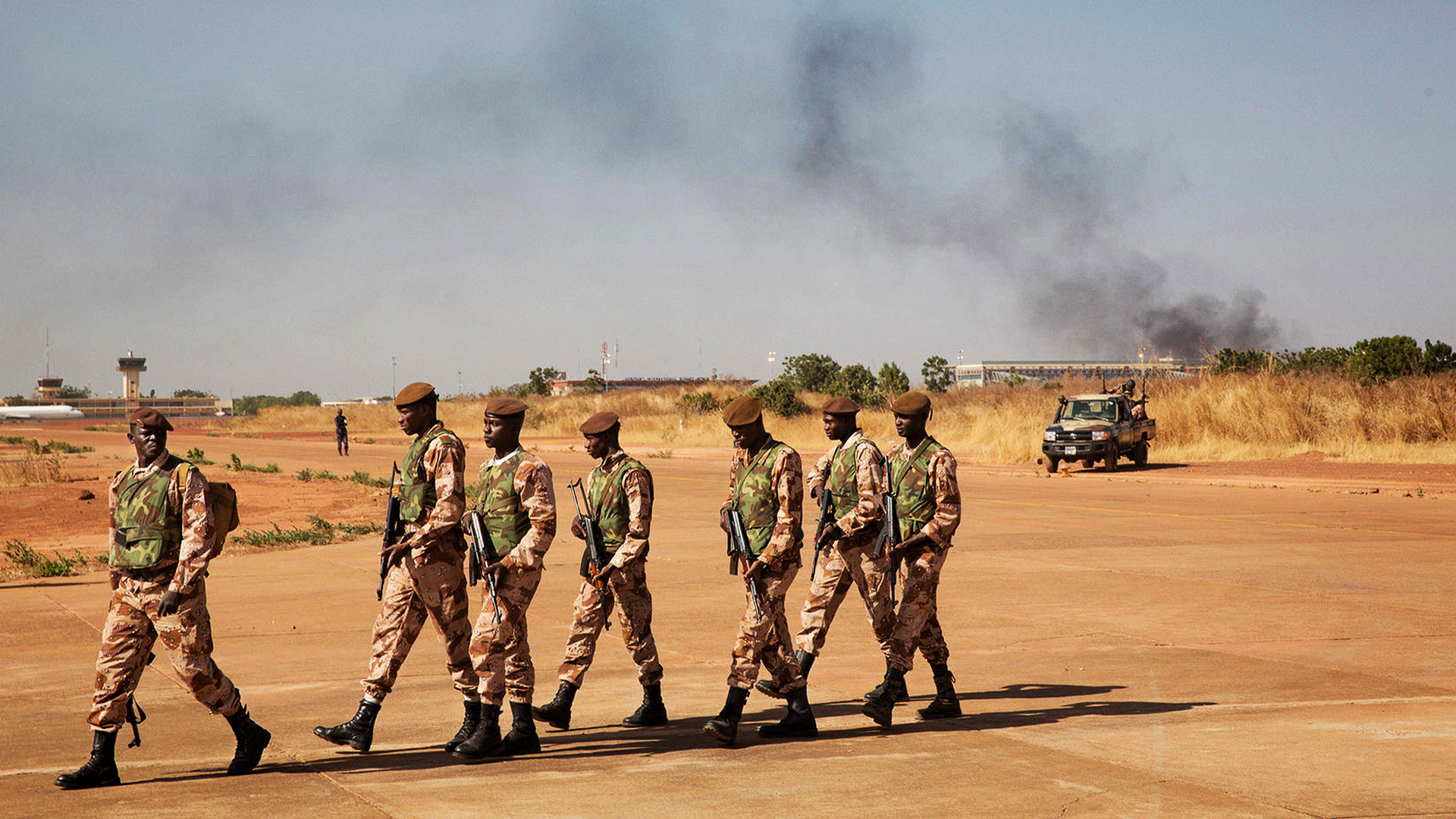
Over 130 civilians have been killed in the recent massacre in Central Mali, leaving thousands devastated.
Mali has witnessed a number of attacks since the beginning of this year.
According to the United Nations, the country’s security is worsening, human rights are being violated, and humanitarian aid is needed in most parts of the country. A number of civilians have been killed over the past month and last weekend’s massacre has raised security concerns both nationally and internationally.
This week’s massacre has led the interim government to declare a three day national mourning led by Colonel Assimi Goita.
The government has linked the killings to al-Qaeda affiliated organization ‘Macina Katiba of Amadou Kouffa’, which is believed to have terrorized 3 villages in Central Mali over the weekend.
The Islamic extremist rebels have controlled the Northern parts of the country and are believed to be strengthening their capture to Central areas such as Bankass.
Since 2012, the emerging al-Qaeda group has terrorized and destabilized the country’s economy, infrastructure, political system, peace, and is dubbed the ‘worst’ inhabiting the UN Peacekeepers.
According to the UN, it is among the most dangerous nations to serve as a UN peacekeeper, as many killings are aimed at UN personnel.
During the weekend’s attack, a UN peacekeeper was the casualty of an improvised explosive device, resulting in his death. The organization says more than 270 peacekeepers have so far died. According to El-Ghassim Wane, the UN head of missions in Mali, the attacks on peacekeepers could amount to war crimes and lead to sanctions.
The central region’s education system is currently under threat. In the villages Diaweli and Dessagou, where the attacks took place, schools are closed due to poor levels of security.
Children have been directly affected academically due to displacement caused by the continuous attacks. The interim government that took power in a coup seems unable to control the situation as more killings are reported in different parts of the country.
The Malian soldiers have been accused of executing civilians and other abuses such as rape and sexual assault. However, no specific charges have been issued.
On Sunday, the Mali military claimed to have killed more than 200 Islamist militants in one month to suppress its control efforts. However, the public has shown little confidence in its efforts to curb the situation.
What has been the international response?
The country could soon be left vulnerable as a section of French troops have been withdrawn in the Menaka region.
This may create a gap that militia groups could use to target civilians and the military. According to local reports, the French could withdraw its entire troop soon.
On Sunday, the US State Department Spokesperson Mr. Ned Price said that they were following the situation and that conflicting reports need to be addressed to ensure the stability of the government and the country at large.
Similarly, the European Union has imposed sanctions on the Wagner Group, accusing the organization of secretly having operations in the country.
In the long run, let’s hope for peace in the country soon.
I’m Derrick (He/Him), a Journalism and Mass Communication graduate from the Technical University of Mombasa, Kenya. Currently I write about trending topics and major issues affecting Africa for Thred, specifically concerning SDGs. View my Twitter here if you’d like to send me feedback.
The alleged incident took place on university grounds in 2024. Cornell has yet to comment publicly.
On Tuesday, the names and faces of seven Cornell University students flooded the internet. They were all young men. And they were all allegedly involved in the gang rape of a woman on campus in 2024.
Jane Doe initially came forward shortly after the incident was said to have happened, telling Cornell University Police on...
Experts suggest the disappearance of London’s iconic red buses will hit the poorest the hardest.
Like most major cities, London is built on a sprawling public transport system. Boasting the tube, black cabs and an iconic route of red bus services, England’s capital is one of the most famous and efficient transport hubs in the world. But experts warn it’s at risk of rapid decline.
Outside of zone 1, red buses...
Alleged victims will be granted new measures including private entrances and waiting rooms, along with specialist ‘trauma-enforced training’ for court staff.
Andy Burnham has announced the rollout of new specialist rape courts in England and Wales, building on measures that are currently only available in limited locations.
At least one courtroom in every Crown Court will be dedicated to handling rape and cases involving serious sexual offences over the next...
From cutting student loans to stopping small boats, Reform UK used its 2026 conference to tell Britain what its first 100 days in government could look like. But behind the pledges, protests and political drama, what did the conference actually mean for Gen Z?
If there was one message Reform UK wanted people to leave Birmingham with, it was this: we are preparing for government.
Its 2026 annual conference at Birmingham’s...
We use cookies to ensure that we give you the best experience on our website. If you continue to use this site we will assume that you are happy with it.






























 0 comments