






 0 comments
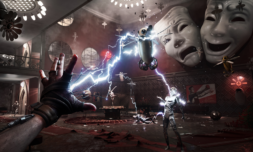
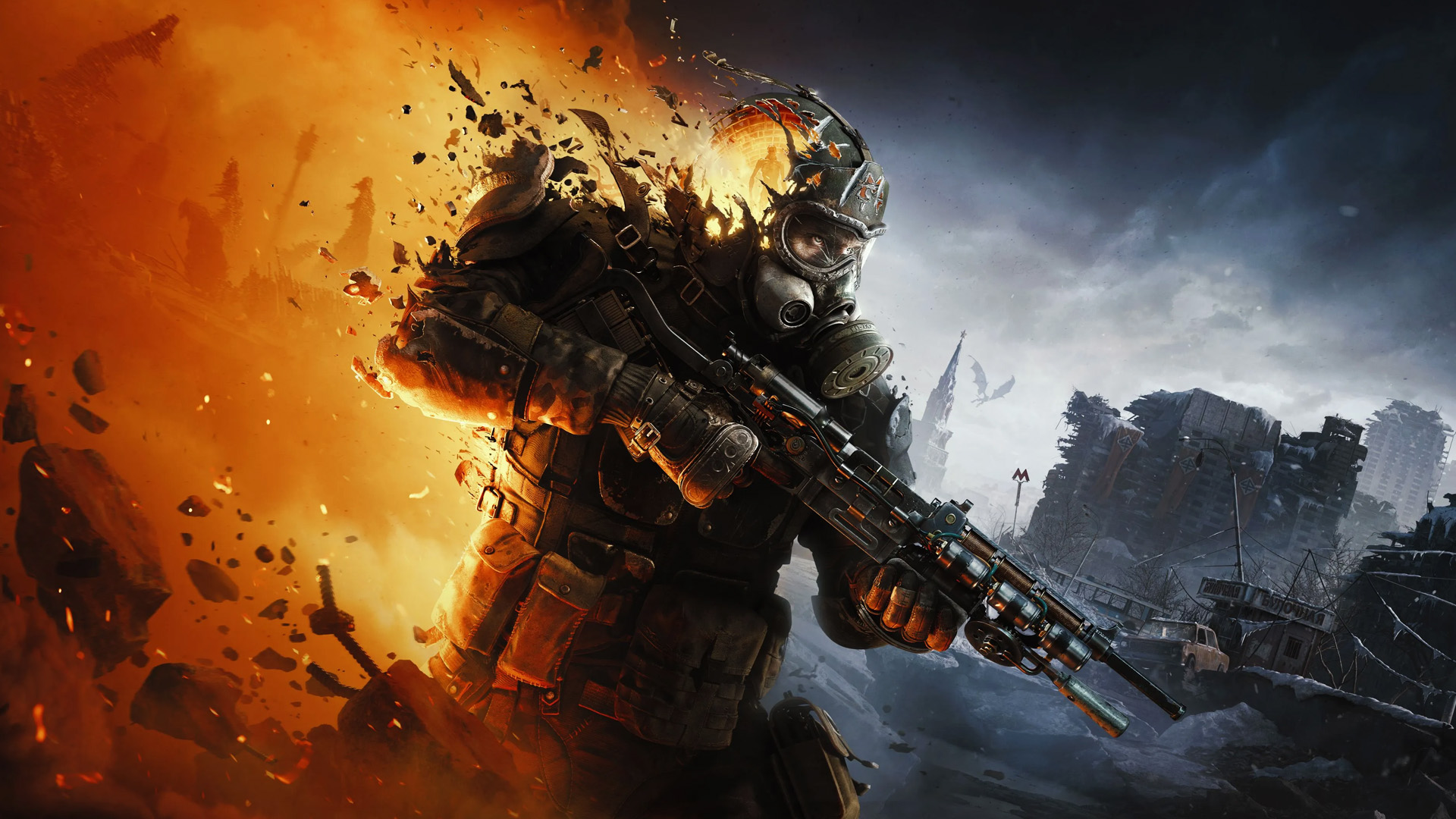
Ukrainian studio 4A Games has endured arguably the worst set of circumstances a game development cycle has ever seen. The war with Russia not only made work on Metro 2039 incredibly difficult, but also fundamentally changed the game the team wanted to make.
There’s something uniquely grim about developing a post-apocalyptic game while occasionally having to stop and hunker down because of real-life air-raid sirens.
That was the reality endured by the development team at Ukrainian studio 4A Games, who have spent the last seven years since Metro Exodus working on Metro 2039.
The majority of work on the game took place on home soil despite constant conflict with Russia, and with the release date now established, the team are being frank about how the war not only altered production but also the tone of the game Deep Silver and 4A Games had originally set out to make.
It’s important to note that months after the initial invasion of Ukraine, the writer of the eponymous novels on which the Metro games are based, Dmitry Alekseyevich Glukhovsky, was arrested for speaking out against Russia, his place of birth.
He was sentenced to eight years’ imprisonment for ‘political hatred’ and ‘disseminating fake news about the military’, which thankfully never materialised because he packed up shortly after the conflict began. He has since worked and lived away from Russia, where he remains effectively banished, and continues to collaborate with 4A Games.
If you’re unfamiliar with the games or books, Glukhovsky’s vocal opposition to the invasion is especially pertinent given what Metro has always been about.
The series, which remains one of my favourites of all time, imagines a civilisation driven underground (into the metros, funnily enough) by nuclear war, radiation, and a combination of monsters and bandits. The survivors have divided themselves along political, ideological, and territorial lines and themes like fascism, communism, religious extremism, propaganda, and authoritarianism run through the games like a stick of rock.
Ultimately, Metro has always asked whether humanity can ever break its cycle of conflict, but developing the latest instalment through an actual war inevitably changed what that question meant for the developers. Metro 2039 in its final iteration is reportedly far darker than the vision the team initially had for it prior to four years of tension and struggle – with most of the development taking place at the studio in Kyiv.
The development team have described daily power cuts, rocket and drone attacks, and numerous trips to bomb shelters. When the power went out, they relied on generators and batteries to keep working and sometimes went home to find they couldn’t prepare dinner for their families.