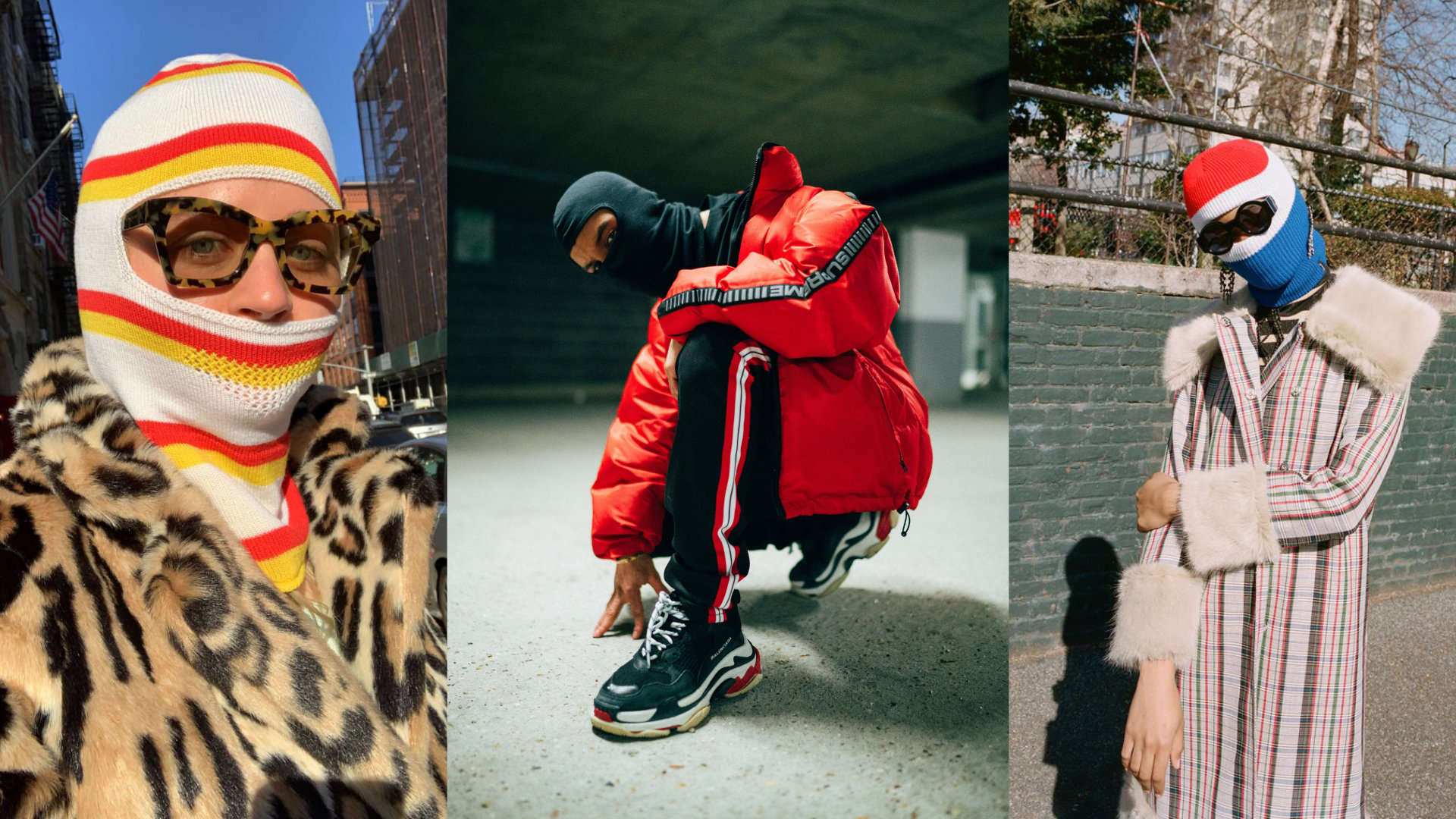
The face-obscuring wintertime fashion accessory is having a moment, but many argue that jumping on the trend requires having a specific level of privilege.
It’s the end of January, and guess what? It’s still freezing outside.
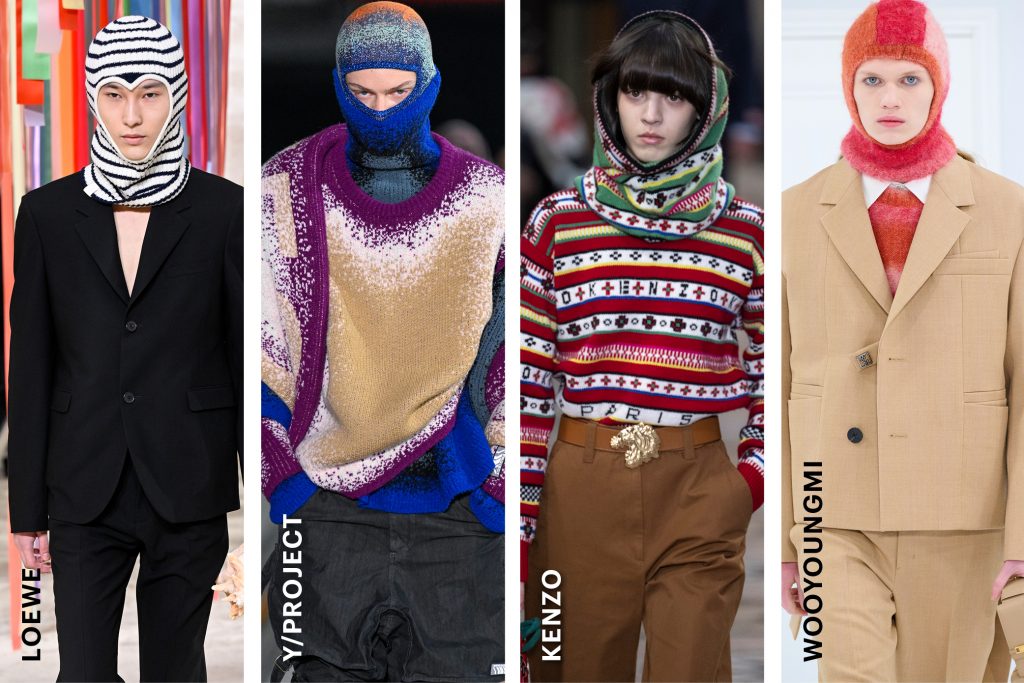
Enter, the balaclava – a sock for your head. Designed to slide over your skull and neck to keep out cold air, while also covering part (if not all) of your face aside from the eyes, the accessory has made repeated appearances on catwalks this season.
So why are people heated about the widespread emergence of a practical and warming wintertime accessory? I’m glad you asked.
Though designers have used varied mediums to fashion the headpieces – yarn, mesh, and even leather – balaclavas hold a striking resemblance to religious headscarves which have been ridiculed and stigmatised for decades, especially in our post 9/11 society.
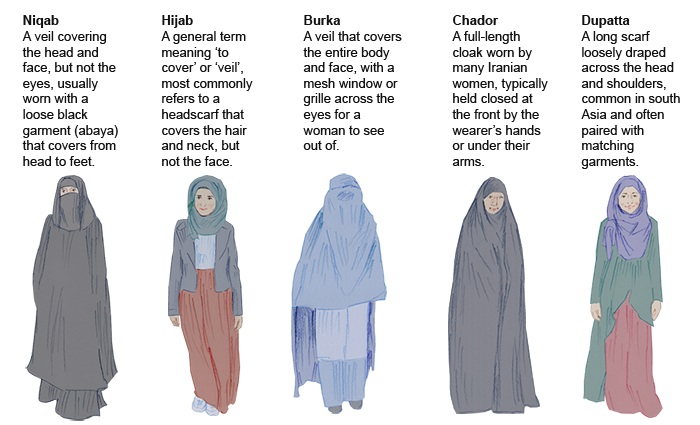
Now before you say I’m reaching, balaclavas tend to cover more parts of the face than the garment commonly worn by Muslim women, the hijab. They offer a similar amount of coverage to the niqab, which has been banned from being worn in public in countries such as France, the Netherlands, Denmark, Austria, Bulgaria, and soon, Switzerland.
It is unfortunately common that when Muslim women wear a hijab, niqab, or burqa, their decision is deemed overtly political or offensive to those perceiving them through Eurocentrically trained eyes. As a result, the reported number of anti-Muslim hate crimes in the West has been frighteningly high over the last decade.
In the UK, women have had their headscarves ripped off, been violently attacked, and called terrorists while navigating the public sphere – even in the nation’s most ethnically and religiously diverse capital, London.
In France, face covering veils have been banned from public spaces since April 2021. Yet just days ago at Paris Fashion Week, balaclavas were presented on the runway by a number of fashion houses including Loewe, Y/Project, Kenzo, and Wooyoungmi.
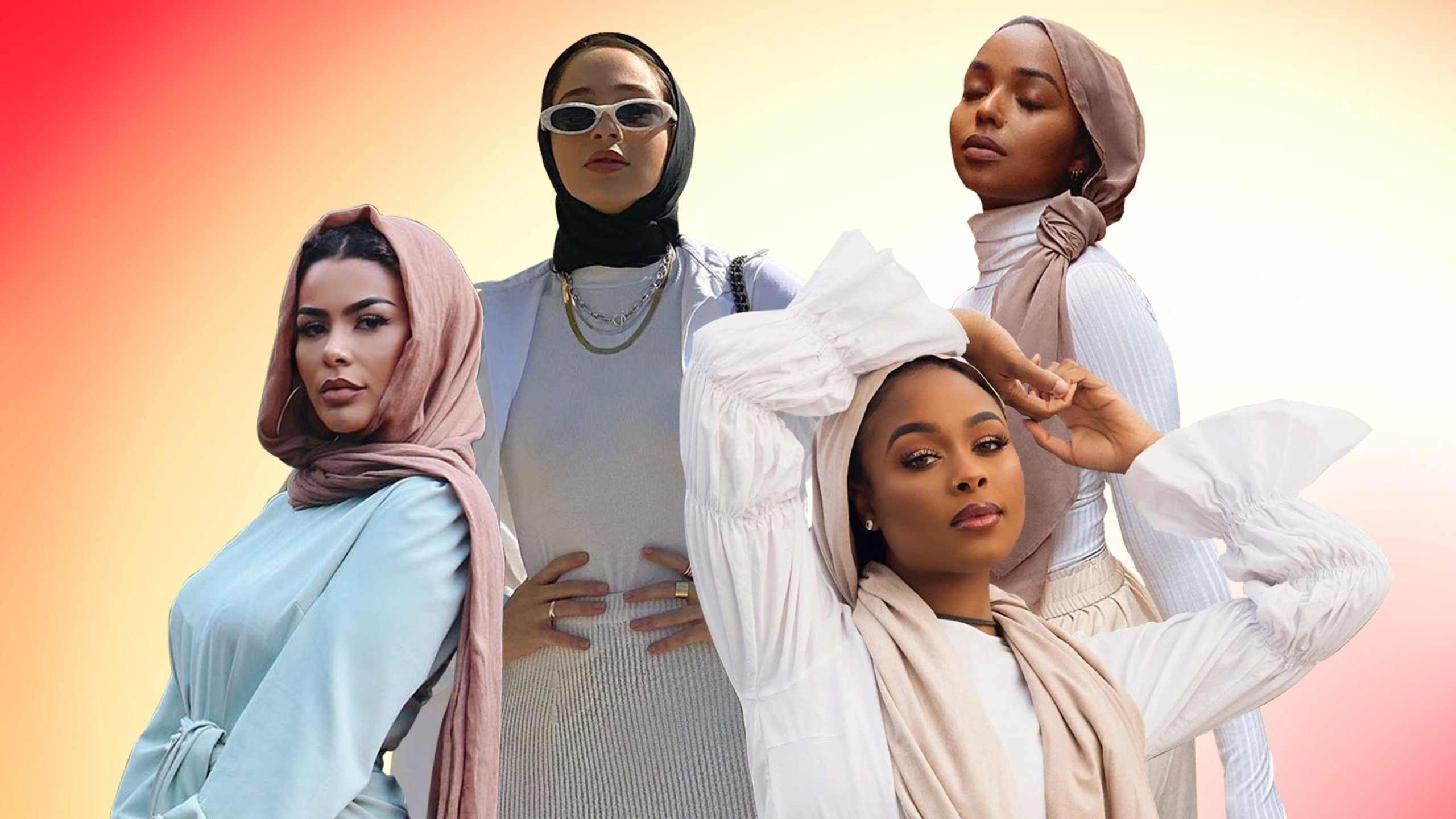
And while a large portion of the world continues to look at religious garments with patronising or suspicious glances, Muslim women who choose to wear them continue to express how wearing the garment is a crucial part of their identity, providing a sense of empowerment, strength, mindfulness, and personal agency.
After outlining how countries around the world have bans on religious garments pending (if they haven’t enforced them already) I shouldn’t have to frame why fashion adopting the balaclava to this degree is sparking some fury.
But because there’s a fantastic and recent example of this, I will.
At the 2021 Met Gala, Kim Kardashian donned an all-black face covering and figure-hugging catsuit, causing fans and fashionistas to label the move as visionary and ground-breaking.
But others saw the choice to conceal her identity in this way as controversial and appropriative. When a lusted-after, billionaire celebrity – known for her raunchier, skin bearing getups – chooses to don a veiling ensemble, it is considered innovate. It is considered high fashion.
On the other side, Muslim women’s decision to secure a modest headpiece before leaving the house each day is deemed an insult to secular eyes. It’s simply mind-blowing.
Kim Kardashian wearing this for the Met Gala is a fashion statement. God forbid a Muslim woman choosing to cover up head to toe only to be called out as ✨oppressed✨ #MetGalapic.twitter.com/5SWojTRFs6
So what’s the difference? Well, one is emerging into the mainstream via celebrity endorsement, esteemed fashion shows, and promotion from white TikTokers, while the other has its roots in ancient culture, religious belief, and meaningful symbolism.
And while followers of fashion will peel off their balaclavas and stash them away until next winter, Muslim women will wear headscarves no matter the season – and continue to face discrimination for it.
Wrapping our heads around this social disconnect has everything to do with privilege. The balaclava trend evokes parallels to how Black Americans risk facing racial stereotyping when wearing a hoodie, while it would be highly unlikely for a white person to face discrimination for the same fashion choice.
For those donning balaclavas without a second thought this winter, it’s likely they identify with a group that has not been historically deemed as ‘the other’. If I can be frank, they’re probably white. Anna Piela, author of the book Wearing the Niqab, has framed it perfectly.
‘White people are considered unthreatening in the U.S. and Western Europe, and so they are given much more freedom to wear whatever they wish. In the context of the balaclava fad, it’s not just whiteness – it’s the white femininity that is read as nonthreatening.’
Credit: Clara Hendler
Now, I can join the internet warriors who are raging on about this for as long as my editor will allow me to, but I remain doubtful the balaclava trend will fizzle out – at least not until the warmer winds of spring begin blowing in.
Harper’s Bazaar has published an article on the best balaclavas to buy this season and, as the evidence shows, hypebeasts everywhere are spoiled for choice.
Indeed, Prada has been including balaclava-style headpieces in their designs since the early 2000s. But this year, numerous other designers have jumped on the balaclava bandwagon, perhaps because they’re a practical response to the ongoing pandemic – a cosy fashion piece that doubles as a mouth and nose covering.
But it’s important to recognise that while trends come and go, religious beliefs and practices are firmly rooted. And in our increasingly divided world, the social consequences of wearing a head/face covering are largely determined by the wearers’ race and religious values.
It is in these kinds of moments where being conscious of privilege is important. What may be marketed as cool, chic, and stylish to certain groups can have serious repercussions for another.
In the end, balaclavas might be forgotten by next winter, but the dialogue the trend has started – and the arguments made within – are ones to be remembered.
Deputy Editor & Content Partnership ManagerLondon, UK
I’m Jessica (She/Her). I’m the Deputy Editor & Content Partnership Manager at Thred. Originally from the island of Bermuda, I specialise in writing about ocean health and marine conservation, but you can also find me delving into pop culture, health and wellness, plus sustainability in the beauty and fashion industries. Follow me on Twitter, LinkedIn and drop me some ideas/feedback via email.
Plenty of us want to check out from the algorithm. But is this a luxury few can afford?
I told myself this would be the year I get rid of social media for good. It started with a phone detox – my addiction had reached its peak when I found it difficult to sit through an episode of great TV without glancing at the screen in my hand. I hit rock...
A UCLA study has built on research suggesting that our belief of how well we sleep has a greater impact on cognitive performance, tiredness, and general mood than how many hours we actually get.
If there’s one thing this generation loves martyring itself over, it’s how ‘exhausted’ we are and how little we sleep.
We’ll go to bed at gone 2am, set an alarm for 7:30am, and wake up ready to...
Overzealous women are preparing for motherhood like it’s a marathon.
The wellness girlies have become wellness mothers. Our societal love-affair with anything self-optimising, be it an overpriced supplement or a cyborg-adjacent beauty tool, has infiltrated the minefield of motherhood – particularly for first-time parents.
Social media is window dressing for the global wellness industry, which now boasts a $6.8 trillion+ valuation. Influencers sell us their spotless morning routines and plates of...
Spoiler alert: it doesn’t involve resolutions.
It’s that time of year again: the start of a new one. A fresh twelve months lie before us, promising nothing except the unexpected. If there’s one thing I’ve learned after twenty-nine Januarys, it’s that you can make plans all you like. The universe will still find a way to laugh.
Which makes the annual ritual of New Year’s resolutions feel particularly absurd. Perhaps to...
We use cookies to ensure that we give you the best experience on our website. If you continue to use this site we will assume that you are happy with it.
































 0 comments