






Menu Menu
[gtranslate]

World’s second-heaviest 24-hour rainfall recorded in Vietnam’s Hue

Vietnam’s ancient city of Hue is recovering from complete submersion after 1,739 millimetres of rain fell in just 24 hours. It was the highest amount of rainfall ever recorded in Vietnam, and the second largest daily total in the world.

Central Vietnam has been hit with extremely bad weather as of late, with multiple typhoons and compounding storms rolling in from the South China Sea, bringing with them high winds and rain that failed to subside for days.

At Bach Ma peak, a national park in Hue, a historic level of rainfall was measured between Oct. 26-27th – a total of 3,393mm. A staggering 1,739mm of rain fell in just 24 hours, the highest ever recorded in Vietnam and the second-largest daily total in the world, behind only a 1966 record on the Indian Ocean’s Reunion Island.

In Hue, Vietnam’s former imperial capital and popular tourist destination spot, the country’s meteorology department reported 1,085mm (42 inches) of rainfall – the highest volume ever recorded in the city.

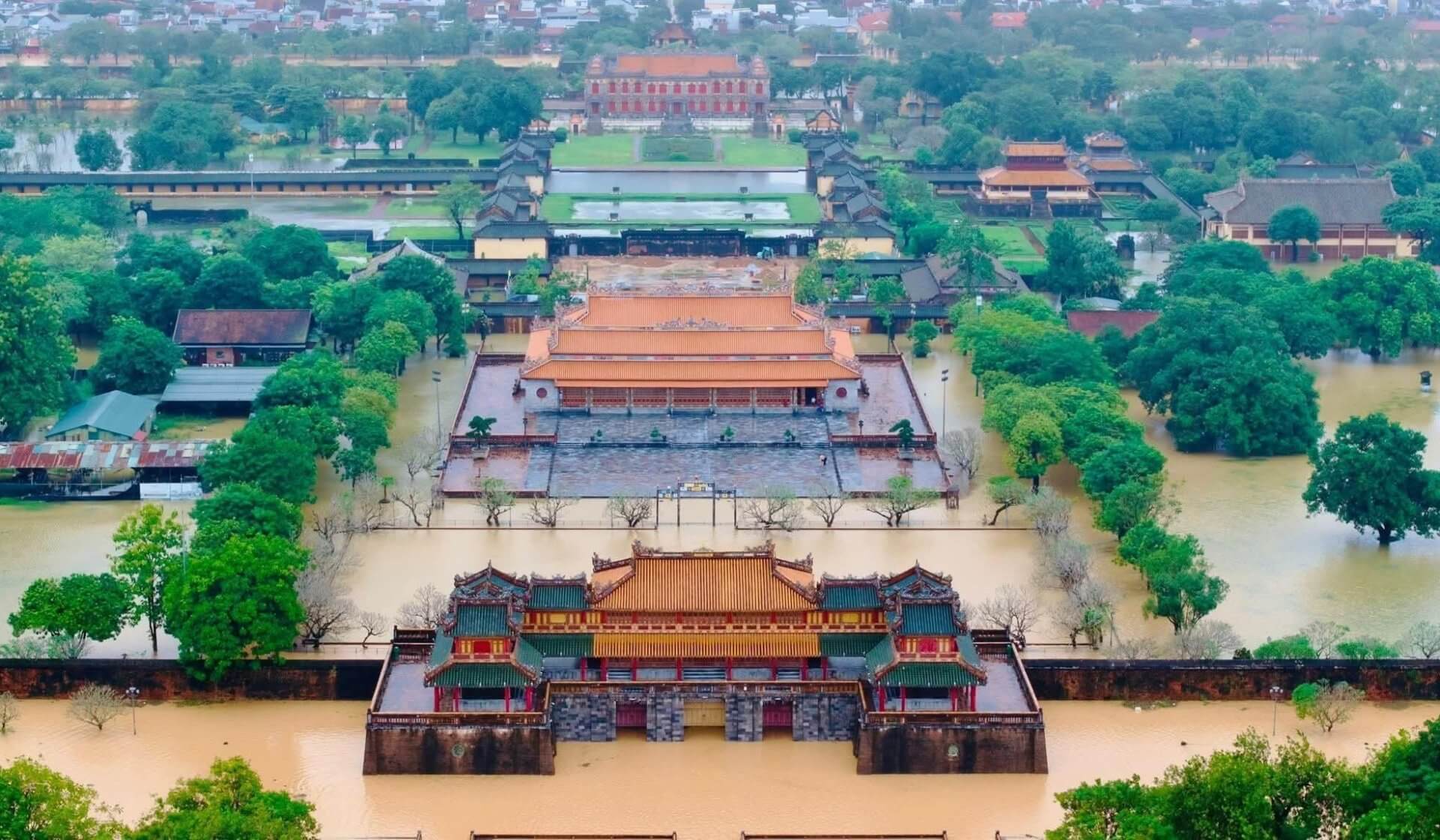
The centrally located Perfume River rose about 5 metres, a 60-year high, resulting in waist-high water levels on the streets of the UNESCO-listed ancient city. Locals and tourists in neighbouring Hoi An had to be evacuated by boats after breaks in hydro-electric dams caused water in the Hoai River to rise nearly 2 metres.

Just as the flooding was starting to subside another storm arrived, bringing with it more torrential rain that worsened the floods and submerged most buildings almost entirely.

At least 50 people have been killed due to flooding and landslides in central Vietnam in recent weeks.
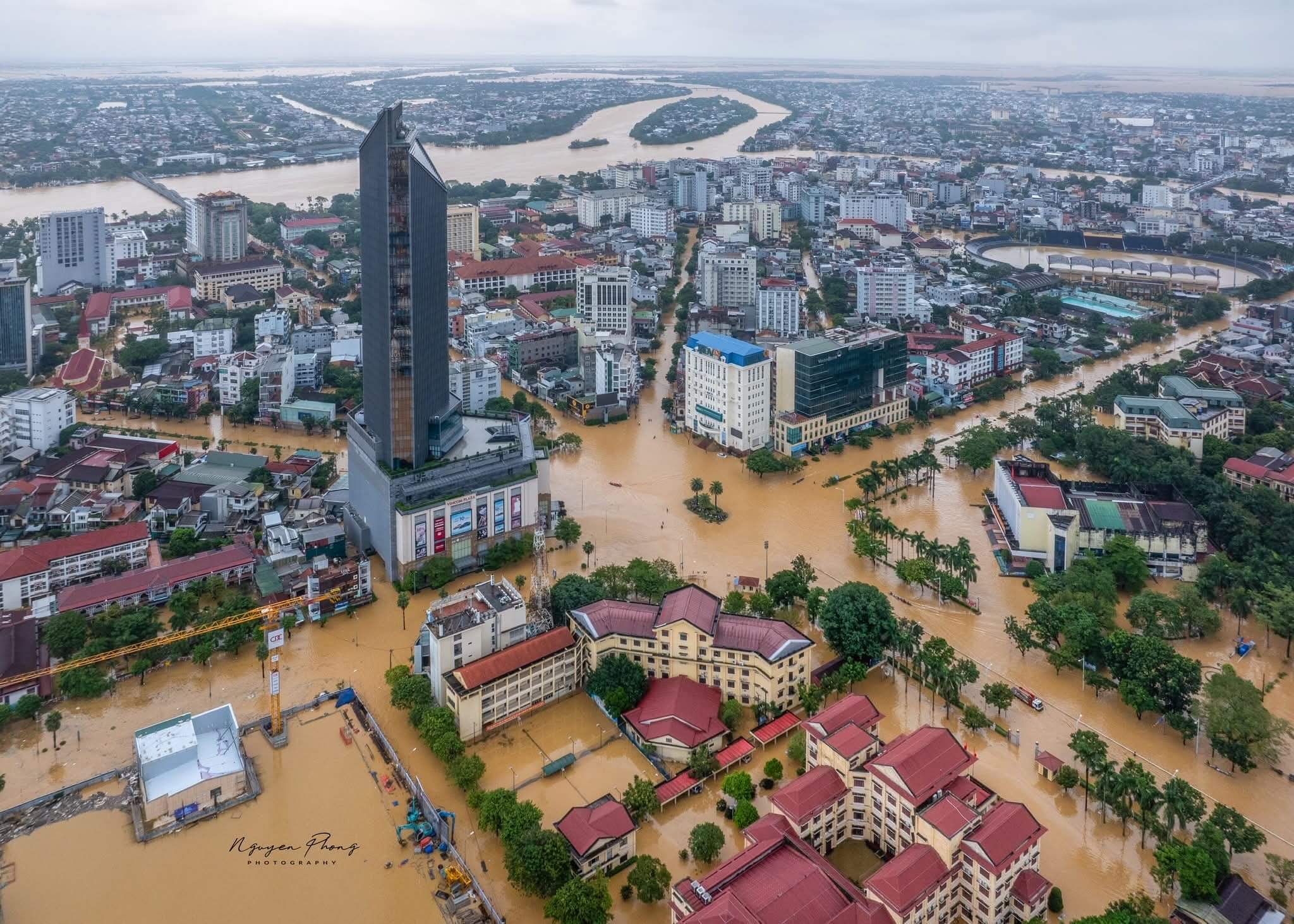
Credit: Asian Urbanist

Though reports from those on the ground in Hue and Hoi An say things are ‘back to normal,’ scientists warn that these kinds of events are likely to return in the future, stating that storms ‘can only become more frequent as global temperatures rise’.

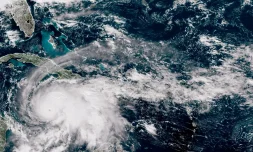
The warnings, which place emphasis on worryingly high ocean temperatures, are eerily similar to those uttered after Hurricane Melissa roared through the Caribbean late last month.

‘The sea surface temperatures in both the western North Pacific and over the South China Sea are both exceptionally warm,’ said Ben Clarke, an extreme weather researcher at London’s Grantham Institute on Climate Change and Environment.

Looking at a storm developing in the waters near Southeast Asia, Clarke predicted ‘Typhoon Kalmaegi will be more powerful and wetter because of these elevated temperatures…clearly linked to human-caused global warming.’

Typhoon Kalmaegi left at least five dead, six injured, and three missing in Vietnam, resulted in flooding that killed 13 people in Thailand, and completely ravaged the Philippines, killing at least 224 people and causing devastation to infrastructure, homes, and farmland across the country.

Communities in the Philippines were already reeling from an especially busy typhoon season, and had virtually no time to recover before the next ‘super typhoon’ named Fung-wong struck on November 8th, killing eight and displacing 1.4 million people.

The details are all very grim, but the devastation caused by this year’s hurricane and typhoon season cannot be ignored.

Although the data shows that tropical storms are not yet becoming more frequent, it does indicate that they are becoming more intense. When such events occur back to back – as they have in Vietnam, but especially in hardest-hit areas such as the Philippines – it is especially difficult to prepare and mitigate damage.

Feng Xiangbo, a tropical storm researcher at Britain’s University of Reading, explains that consecutive storms can cause more damage than a single powerful event because ‘soils are already saturated, rivers are full, and infrastructure is weakened. At this critical time, even a weak storm arriving can act as a tipping point for catastrophic damage.’

Asia’s typhoon season typically lasts between July to December, which means a welcome end to the chaos and destruction in the region is on the horizon.

However, as communities band together to pick up the pieces of what’s been left behind, world leaders at COP30 in Belem, Brazil, should feel immense pressure to act decisively to end the planet-warming use of fossil-fuels for energy.

Funding to aid those hit by climate disasters globally is anticipated to be a prime topic at the summit, which feels ever more important with mega-storms raging across our planet at this very moment.

Enjoyed this article? Click here to read more Gen Z focused change stories.

Accessibility