






 0 comments
The UK recently issued an ultimatum to recognise Palestine as a state unless Israel agrees to certain conditions. This has drawn widespread criticism due to the Western nation’s framing of the conflict.
Gaza continues to be tested with no end to the brutality. The region is seeing the deaths of over 60,000 people and rising. Additionally, an increasing number of children are facing the threat of malnutrition.
Since the beginning of the war, aid entering Gaza has been controlled by Israel. The latter, with the backing of the US, has been ‘delivering’ aid via trucks and airdrops. However, on numerous occasions those within proximity of aid drops have found themselves in the crosshairs of Israeli forces.
The current crisis in Gaza has served as an international wake-up call, with many nations now coming forward to recognise Palestine as a state. As of March 2025, 147, that is 75% of the United Nations, have undertaken such efforts. The overall basis for this decision is the increasing global dissatisfaction with the severity of humanitarian violations and the lack of progress in peace negotiations.
The most recent nations to follow suit are France, the UK, and Canada, and in doing so have highlighted some conditions in exchange for the recognition. Yet, the loudest conditions, which felt more like an ultimatum, came from the UK.
The nation announced it would recognise Palestine as a state, unless Israel takes ‘significant actions’ by next month. This includes a ceasefire, removing restrictions on humanitarian aid, refraining from any annexation efforts, and making credible initiatives towards a two-state solution. Some might immediately think of this as a win-win situation; however, in reality, it isn’t quite that.
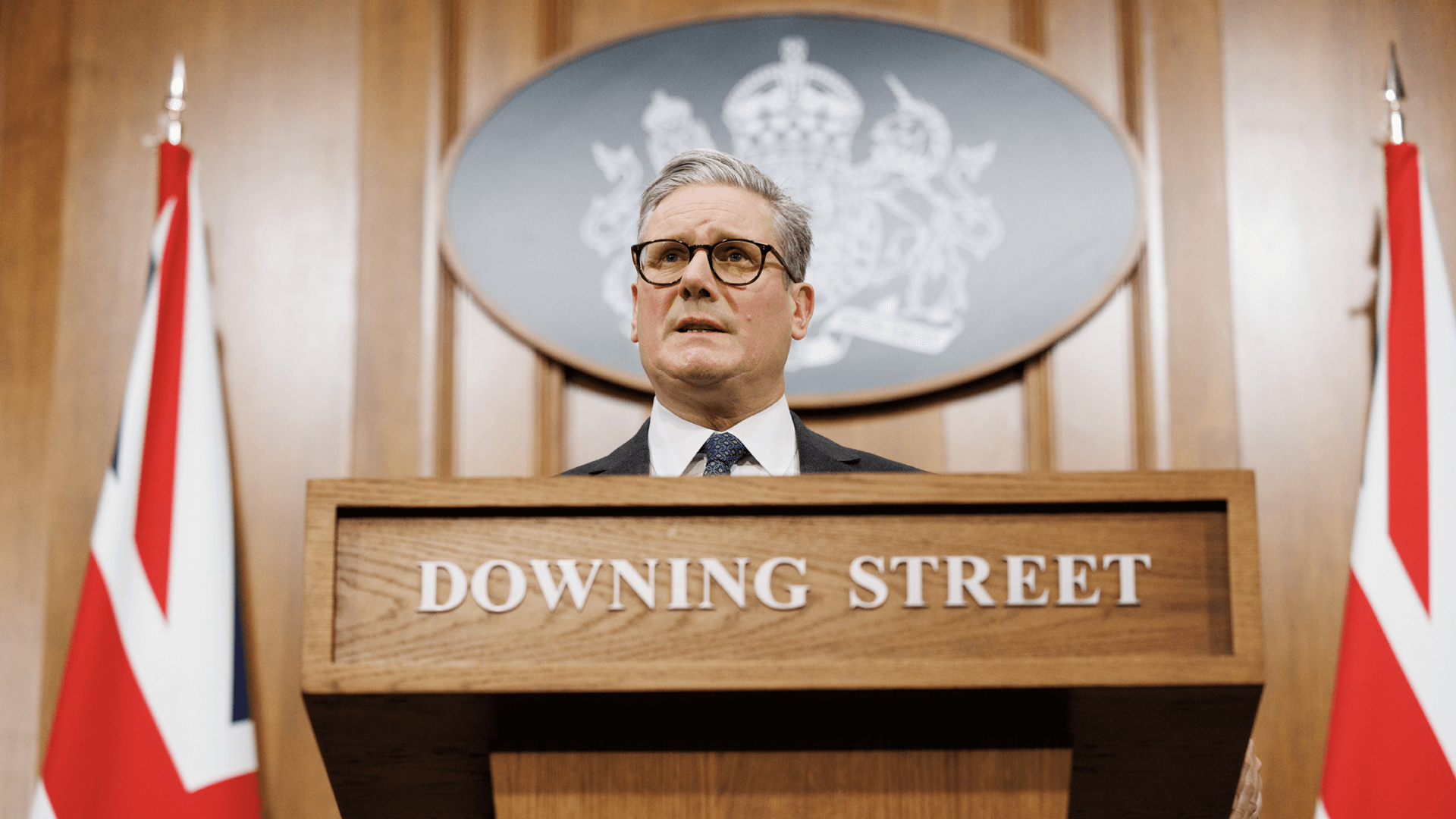
The UK’s commitment towards the recognition is hinged on Israel’s efforts, and does not include Palestinian negotiations. As such, Prime Minister Keir Starmer has reframed a possible Palestinian state into a tool to get Israel to end its tyranny.
Now, any efforts on the UK’s end towards recognition have turned into a transaction rather than a standalone endorsement of Palestinian self-determination.