






 0 comments
England is set to phase out caged hens and pig farrowing crates under a new package of animal welfare laws announced by the government.
The changes mark a major shift in how farm animals are treated, with ministers confirming plans to end the use of cages for laying hens and ban farrowing crates for pigs. Both systems have long criticised by animal welfare groups for causing unnecessary suffering.
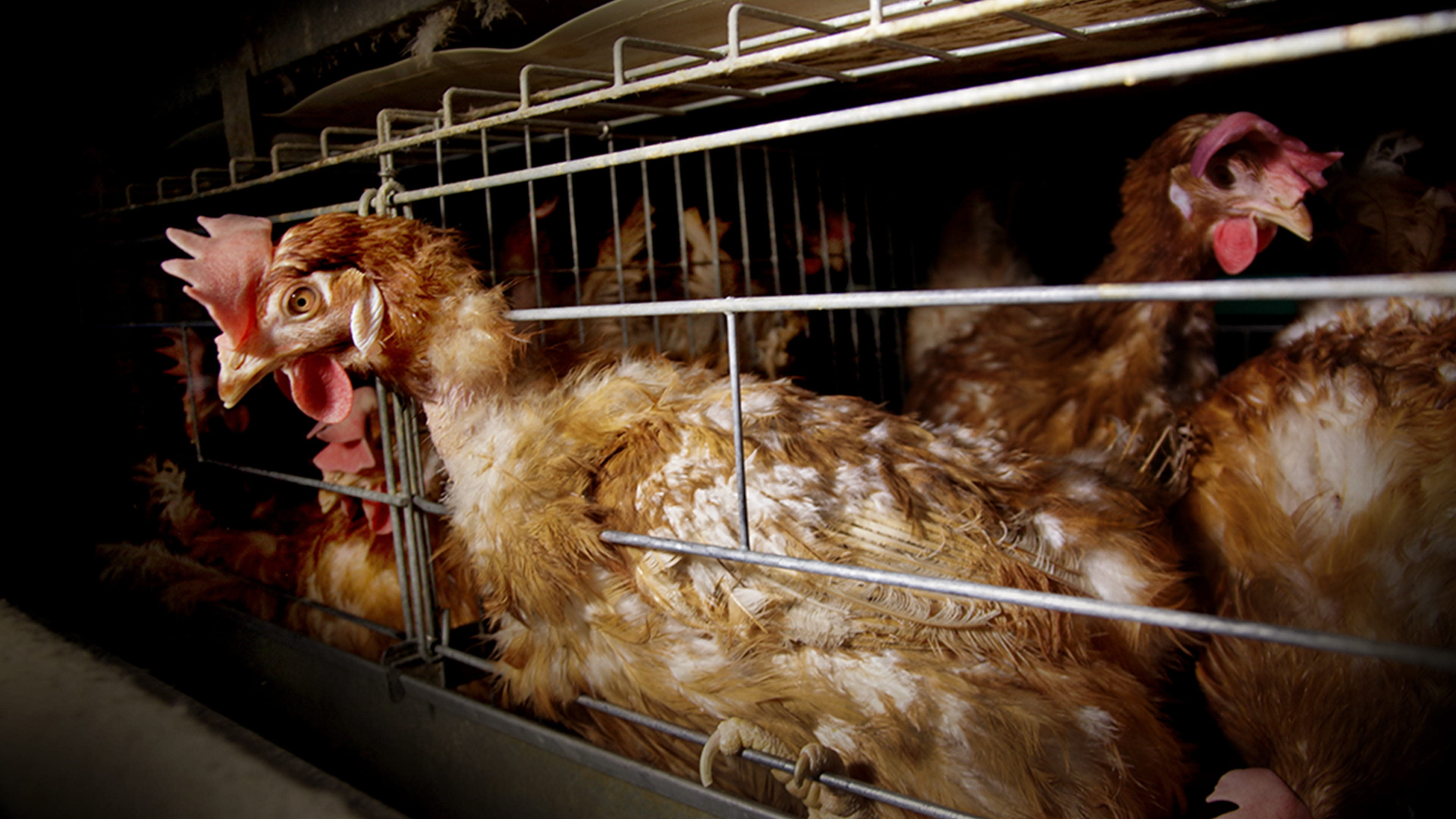
While traditional battery cages were outlawed in 2012, many farms switched to so-called ‘colony’ or ‘enriched’ cages instead. These larger wire cages can hold up to 90 hens at once and include basic features like perches and nest boxes. But campaigners argue they still severely restrict movement, giving each bird space no bigger than an A4 sheet of paper.
Around 21% of hens in the UK are currently kept in these cages. They spend their entire lives confined, unable to perform natural behaviours like dust bathing, foraging, flying, or even just walking freely — all of which are essential to chicken welfare.
Environment Secretary Emma Reynolds is expected to announce a public consultation next year on fully transitioning to cage-free systems. If approved, the changes would benefit more than 7 million hens annually.
It’s been a great year for our offices across the world @CIWF_Global. Here’s a roundup of our progress in the fight to end factory farming and create a sustainable food system that works for animals, people, and the planet. https://t.co/bXtPlwvEq4
— Philip Lymbery (@philip_ciwf) December 19, 2025
When it comes to pork farming, controversial pig farrowing crates would also be banned. These narrow metal enclosures are used to prevent sows from accidentally crushing their piglets, but they restrict the mother’s movement so severely that she cannot turn around or walk. This deeply stressful existence is endured by some 150,000 pigs annually.