






 0 comments
The ‘monster storm’ tearing through the Caribbean has been supercharged by abnormally warm sea temperatures caused by human-induced climate change, scientists agree.
Time and time again, scientists and environmental activists have warned that climate change will result in stronger storms and more unpredictable weather patterns. They’ve also warned that the communities least responsible for climate change would likely bear the majority brunt of its consequences.
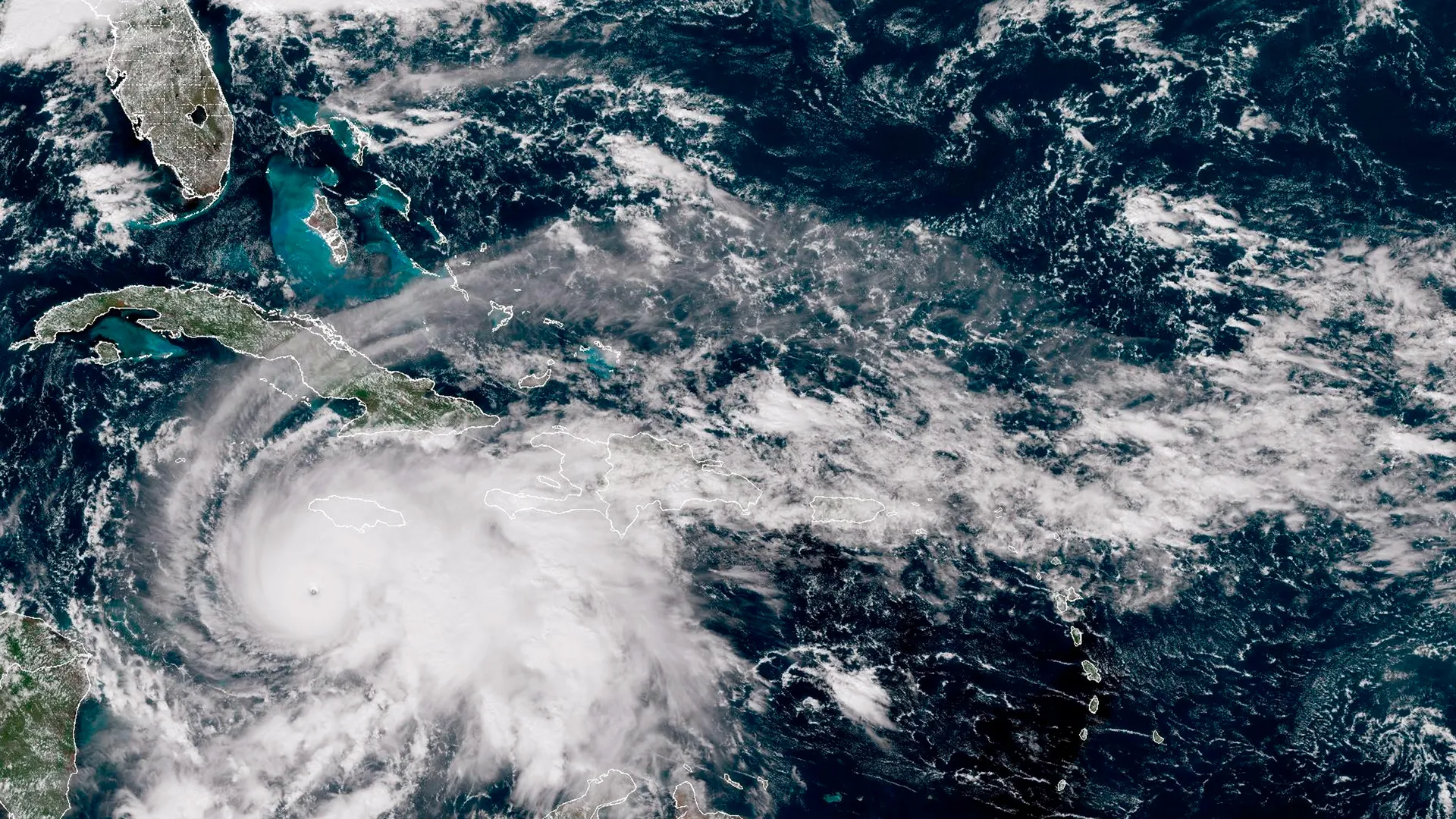
That truth has become more evident with the arrival of the Atlantic Ocean’s thirteenth major storm of 2025 – and one of the fastest-developing hurricanes ever witnessed – bearing the name Hurricane Melissa.
The catastrophic Category 5 hurricane roared towards the shores of Jamaica on Tuesday 28th of October, bringing with it slashing winds of up to 185 miles per hour and storm surges that flooded residential and coastal areas of the island.
Hurricane Melissa cemented itself in a bleak part of history, being the strongest storm to strike Jamaica since local records began in 1851.
As it trudged slowly away from the island, residents woke up to find their nation in complete devastation, with severe damage to electrical grids, hospitals, schools, and tourist hotspots. The Jamaican government swiftly declared the island a ‘disaster zone’ with most of its 2.8 million people still without electricity.
As of October 29th, Hurricane Melissa has moved on. It made landfall in Haiti on Wednesday, causing the death of 25 people after a river to burst its banks in the southern coastal Haitian town of Petit-Goave, flooding and collapsing dozens of homes.
It then moved on to Cuba as weaker but still substantial Category 3 storm, where hundreds of thousands of residents had evacuated from especially vulnerable areas. Still, around 140,000 people have been cut off from main areas of the island due rising rivers and extreme flooding.
Hurricane Melissa is now heading towards the Bahamas, where it is expected to continue to weaken before moving on to the cooler waters near Bermuda. Lower water temperatures in the Northern Atlantic should cause it to finally break apart, resulting in Melissa losing the worst of its velocity.
While countries situated in the Atlantic Ocean are no strangers to tropical storms and hurricanes, meteorologists and climate scientists say the rapid development of ‘monstrous Melissa’ (as many news and weather broadcasters have coined the event) is a direct indicator of how climate change can cause major weather events to spiral into unprecedented behemoths.