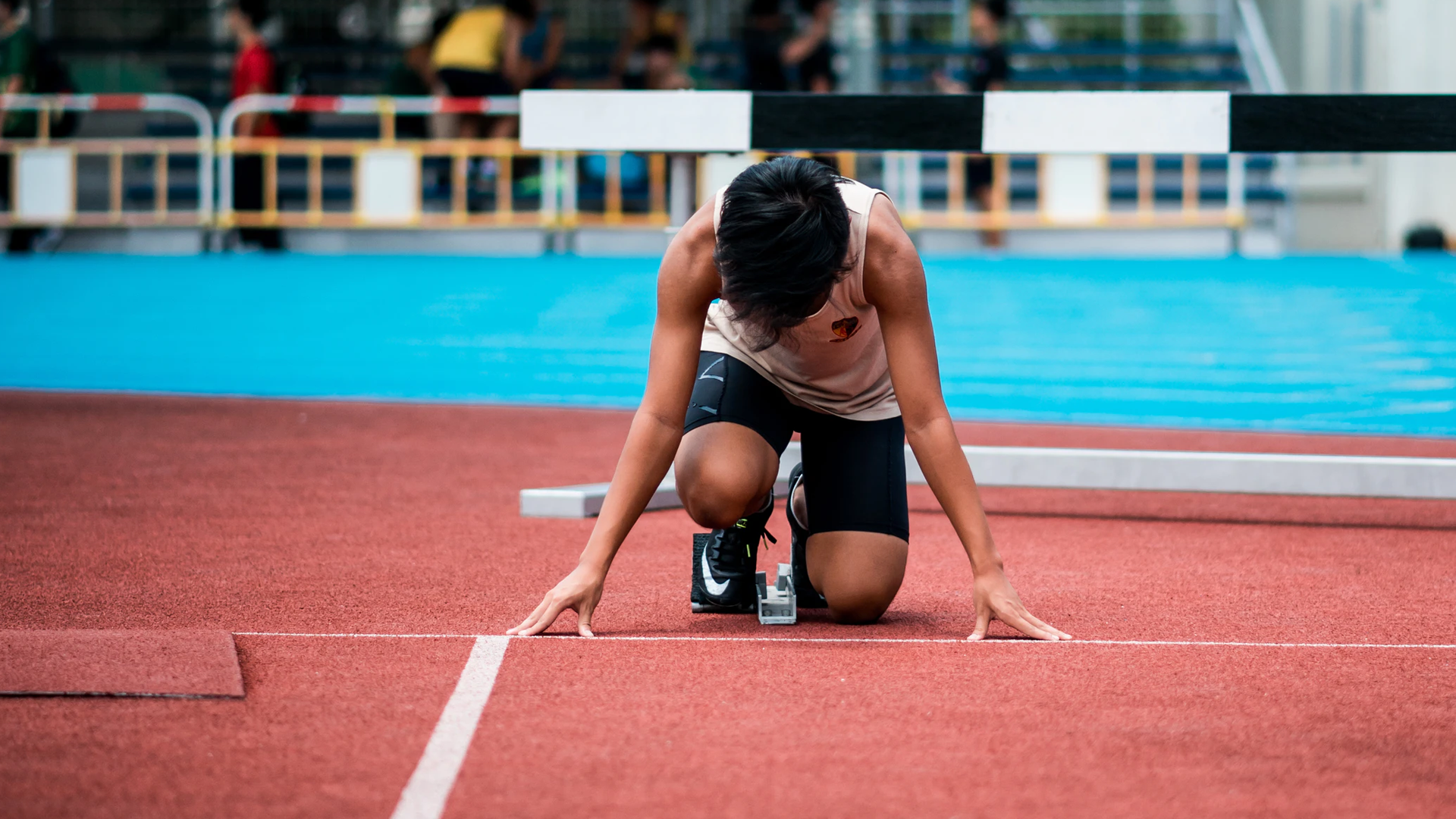
After two weeks of glamour at the Tokyo Olympic Games, focus has now shifted to Nairobi, Kenya, venue of the 2021 World Athletics U-20 Championships.
The World Athletics U-20 Championships have been awarded to an African country for the first time.
Over 1,300 athletes from 128 countries are expected to compete in Kenya this August. The competition has found many great stars from various nations over the years, as young Gen Z athletes compete on the world stage often for the very first time.
It was originally meant to run from August 17th to 22nd, but has now been pushed back by a day to start from the 18th.
Part of the statement from World Athletics read, ‘the impact of Covid on teams travelling and logistics of moving vital equipment around the world have proven to be a challenge.’
Due to a recent surge in Covid-19 infections, some major countries like the UK and US have withdrawn from the championships for safety reasons.
The event will be held behind closed doors and spectator-free to keep the athletes and the country safe.
To control the spread of the virus, local organizers have built two ‘bubbles’ in Kasarani and Nyayo. Ten hotel bubbles for teams, officials, and suppliers will also be used.
According to reports, the projected number of Covid tests for this coming event is more than 15,000.
Many of the protocols being introduced for these championships have already been successful at the World Half Marathon Championships in Gdynia last year and the World Athletics Relays in Silesia in May.
Opportunities for the future athletic stars in the world
The World Athletics U-20 Championships brings opportunities to showcase the very best of the world’s talented young athletes.
In the past, few African countries have participated, making this year a significant boost for nations that usually miss out on the spotlight.
Kenya’s First Lady Margaret Kenyatta said, ‘such events elevate the importance of sports to young talented sportsmen and women.’
She added, ‘games bring people together; they bring hope since they are a symbol of what can be achieved even in the most difficult situations and encourage youths to represent their countries in honor.’ The Kenyan First Lady is also the patron of this year’s event.
World Athletics having confirmed that athletes need to be born between 2002 and 2005. If that sends you into an existential crisis about your own achievements thus far in life, you’re not alone.
During the last edition held in Tampere, Finland in 2018, Kenya bagged a total of 11 medals, making it Africa’s current athletics powerhouse from junior to senior category championships.
African participating countries have shown confidence in their athletes and most countries have increased the number of athletes representing their nations recently. We’ll have to see if it pays off.
I’m Derrick (He/Him), a Journalism and Mass Communication graduate from the Technical University of Mombasa, Kenya. Currently I write about trending topics and major issues affecting Africa for Thred, specifically concerning SDGs. View my Twitter here if you’d like to send me feedback.
Actor Jason Bateman recently caught heat for telling Charli XCX she might change her opinion on not wanting kids. Why are we still inferring that happily coupled, child-free women are unfulfilled?
I’d like to think we’ve made some strides in the motherhood conversation – and to some extent we have. But I still feel the tail winds of disappointment when I tell my elders there’ll be no children on the...
The ongoing Winter Olympic Games have seen many acts of defiance against the Trump administration. How will the situation play out when the US hosts in 2028?
When Baron Pierre de Coubertin revived the Olympics in 1896, one of his main aims was to promote mutual understanding among athletes. He believed that competing on the track instead of the battlefield could encourage peace and help prevent war.
However, countless...
Anxiety, depression, and emotional problems are on the rise across the globe, cutting across boundaries of culture, geography, and socio-economic status. The World Health Organisation says ‘one in seven’ have a mental health disorder in 2026.
According to the World Health Organisation, ‘one in seven adolescents worldwide has a mental health disorder.’ Such statistics obviously cannot be ignored.
This generation of teens is the first to be raised in an...
Why has the precedent that ‘British culture is dying’ invaded every aspect of our lives recently? From TikTok commentary to culture-war politics, who is really influencing the supposed shift in British culture?
Claims that Muslims and BAME communities are erasing British culture have become a popular rhetoric in recent political spheres in the UK, but also around the Global North as a whole. Popular, but not new.
Here's my take...
We use cookies to ensure that we give you the best experience on our website. If you continue to use this site we will assume that you are happy with it.
































 0 comments