






 0 comments
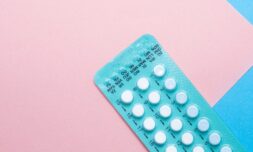
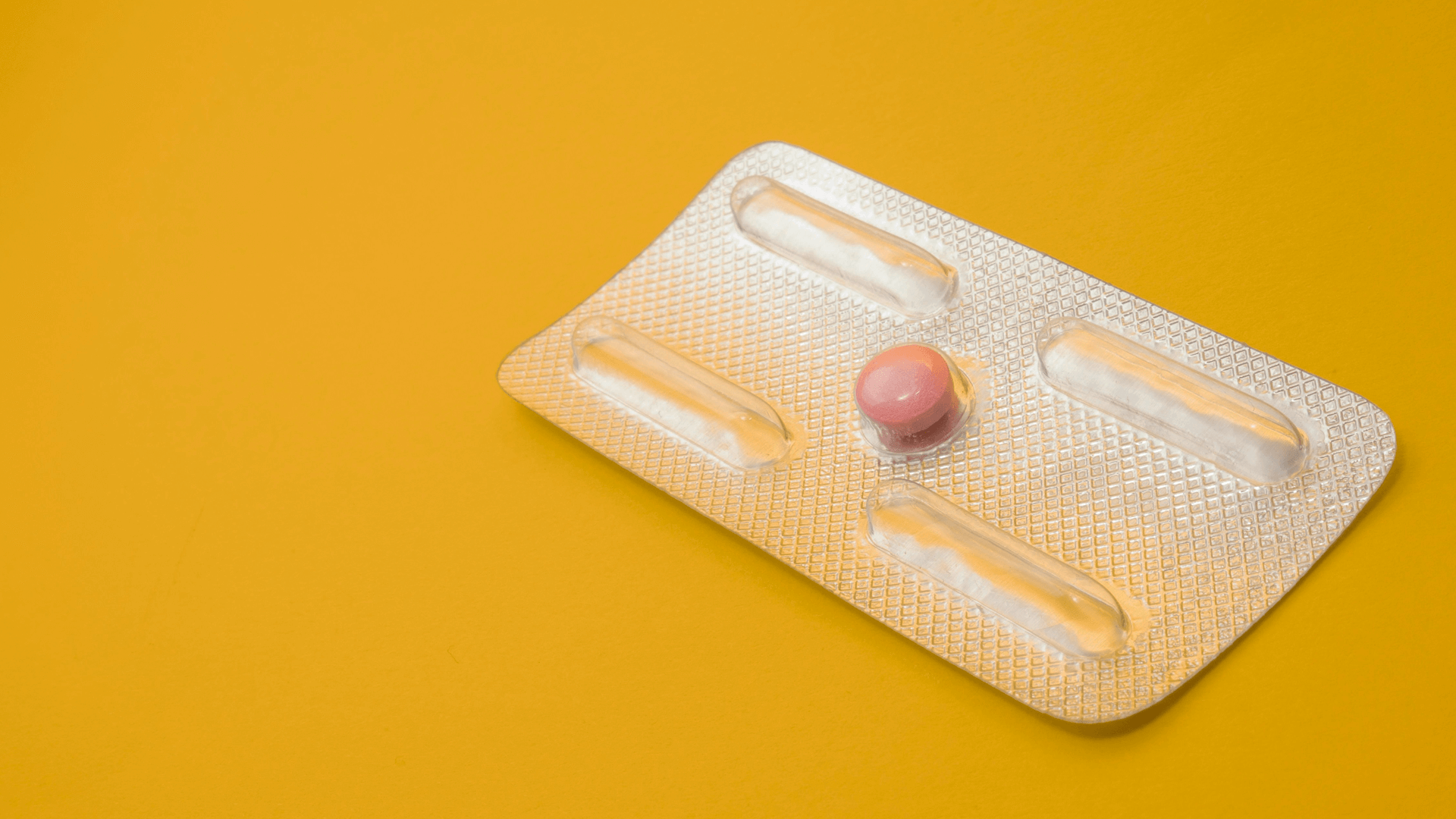
The wellness narrative on apps like TikTok is driving a distrust of the contraceptive pill. Is this a regression of modern feminism, or a valid stance against medical intervention into women’ s bodies?
Speaking about her role as a school sex educator, Maya Walsh-Little told Polyester readers that the most frequent question she hears from students is ‘I heard on TikTok it will completely mess up your hormones if you take birth control. Is that true?’
Walsh-Little goes on to interrogate the growing distrust of contraception amid the fad wellness narratives of social media, raising important questions about the correlation between sexual health, feminism, and bodily autonomy.
It’s certainly true that online discourse has shifted dramatically when it comes to subjects like the pill. Even if I can’t pinpoint the last time I read a post demonising contraception, this narrative has seeped into my own real-life conversations – I have multiple friends who fear the contraceptive pill will damage their mental and physical health in some way.
Those who do take it have been met with a bemused response that implies their decision is archaic, followed by unwarranted personal accounts of a traumatic experience with the drug. All in all, the pill has had a pretty bad few years on account of its reputation. This is tied up in the narrative that taking birth control has somehow become anti-feminist.
Online, we’re constantly being fed a new list of ways to ‘upgrade’ our wellness routines – from old-fashion calorie counting to walking 10,000 steps and drinking some overpriced, unappetising greens powder that does next to nothing for our health.
The pill certainly doesn’t fit within this sugar-coated, broderie encased soft life. We’re meant to be growing and picking our own wholefoods diet, baking from scratch in our downtime, and wearing high-quality responsibly sourced fabrics. Modern medicine? As if!
But in a political context that’s seen the overturning of Roe v. Wade in America, this perception of birth control is both misleading and dangerous.
‘The conservative agenda has seemingly seeped its way into TikTok narratives around birth control by emphasising how using birth control can have irreparable effects including infertility and hormonal imbalances,’ writes Walsh-Little.
‘Whether or not it’s conscious on creators’ parts, scaring viewers out of using hormonal birth control isn’t education, it’s blatant fearmongering.’
It’s ironic that this ostensibly neo-feminist approach to women’s reproductive rights is unravelling the work of countless women who fought for those reproductive rights – and this is all happening at a time when women’s reproductive rights are, in reality, being widely curtailed (dare me to say reproductive rights one more time).
We’re already facing barriers to our right to choose – either through the ban on abortions across the US, or in the regressive narratives around rape and sexual assault that continue to endanger women worldwide.