






























 0 comments
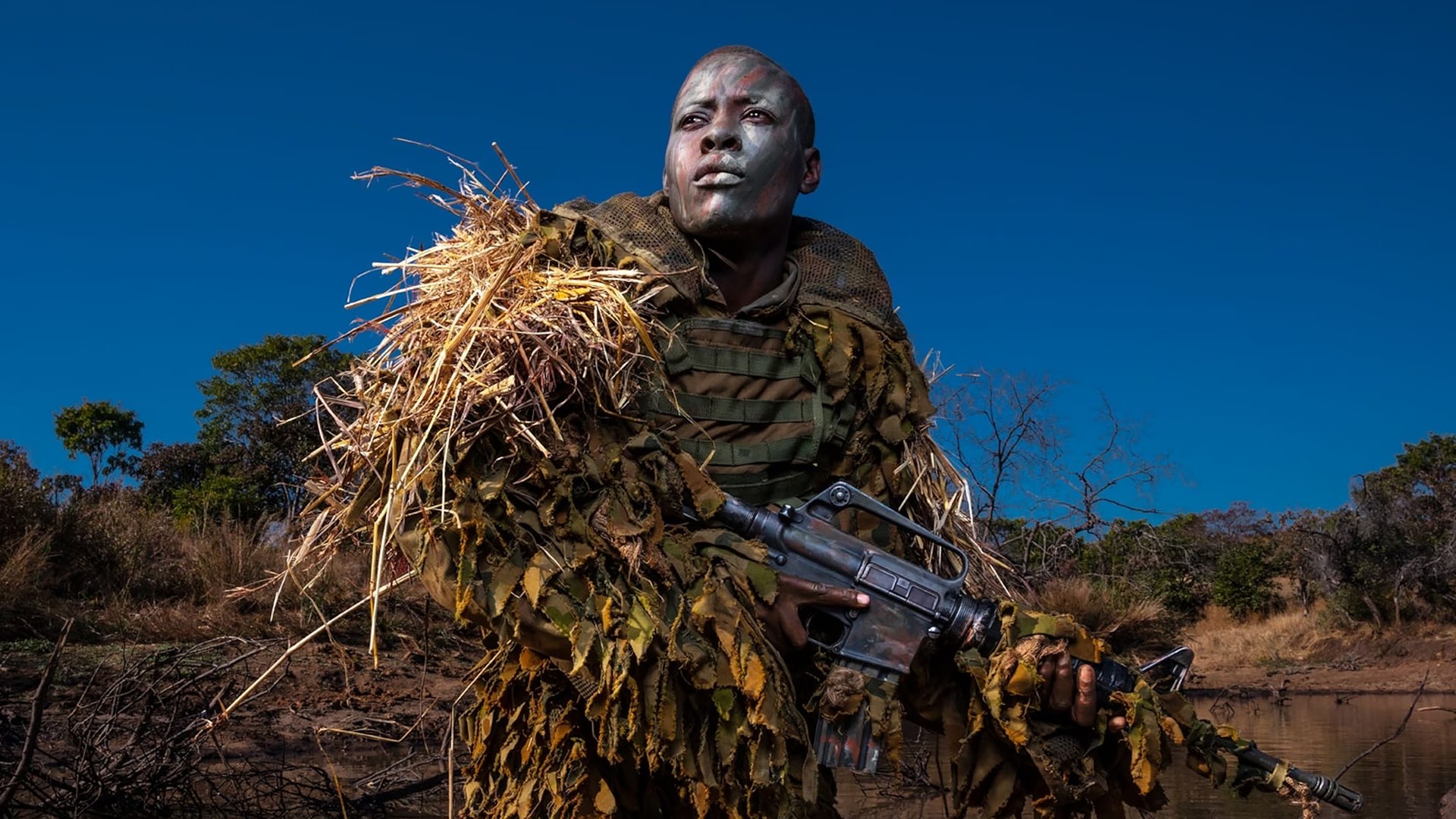
The Akashinga rangers are Africa’s first all-women, entirely plant-based anti-poaching unit. And they’re operating with astounding success.
According to their website, the Akashinga Rangers are a community-led organisation that serves to protect wildlife conservation across Africa. The group, whose name means ‘the Brave Ones’ in Shona language, is made up entirely of women and is also completely plant-based.
Given this niche identity has generated a wildly successful anti-poaching campaign, it’s no surprise that the Akashinga Rangers were the subject of a National Geographic documentary, Akashinga: The Brave Ones in 2020, just three years after the group was founded.
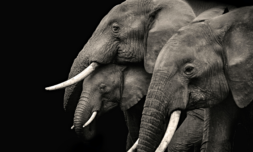
The original 16 Akashinga were recruited to conserve wildlife in the Phundundu Park, and unlike other all-female anti-poaching groups, each member is armed. Since 2017, the group has arrested hundreds of poachers – and just a few weeks ago it was announced that elephant poaching has decreased by 90% thanks to their work.
Besides the work they’re doing for the environment, Akashinga also gives back to the local community by recruiting women from all walks of life and providing them with a stable income.
‘Many of these women are purchasing property, building homes, and sending their children to school full time,’ the group states on their site. ‘They are also obtaining driver’s licenses, enrolling in college and finishing degrees.’
The organisation reportedly enrolls women from marginalised backgrounds – widows, single mothers, domestic abuse survivors, and those previously dependent on poachers. Akashinga acts as a lifeline for independence and financial freedom, as well as cultivating vital safeguarding for the natural environment across Zimbabwe and the wider African continent.
By allowing Akashinga rangers to work under armed conditions, the group is also challenging traditional gender roles, placing women at the center of conservation efforts and socio-economic conversations.
Africa is known for its vast and beautiful biodiversity, but many of those species are constantly under threat of extinction due to high levels of poaching. Damien Mander, a former Australian special forces officer, founded Akashinga in 2017 as part of his own long-term anti-poaching efforts.
The project has since become as much about the human community as it is about the animal kingdom it serves to protect.