The phrases ‘300’ and ‘dramatic last stand’ will receive new meaning as a group of 20 eco-warrior teens take over the management of a 300 acre estate in the Brecon Beacons.
Climate change and the actions we take now will be a defining moment for mankind and Gen Z is at the beating heart of this struggle.
It has been 2 years since Greta Thunberg angrily addressed world leaders who were failing their climate targets with her famous ‘how dare you?’ speech at a UN Climate Summit.
This year, Thunberg’s documentary ‘One Year to Save the World’ reminded us all that things still look bleak, as she exposed loopholes in several nation’s energy promises that will prevent the reduction in emissions our generation needs.
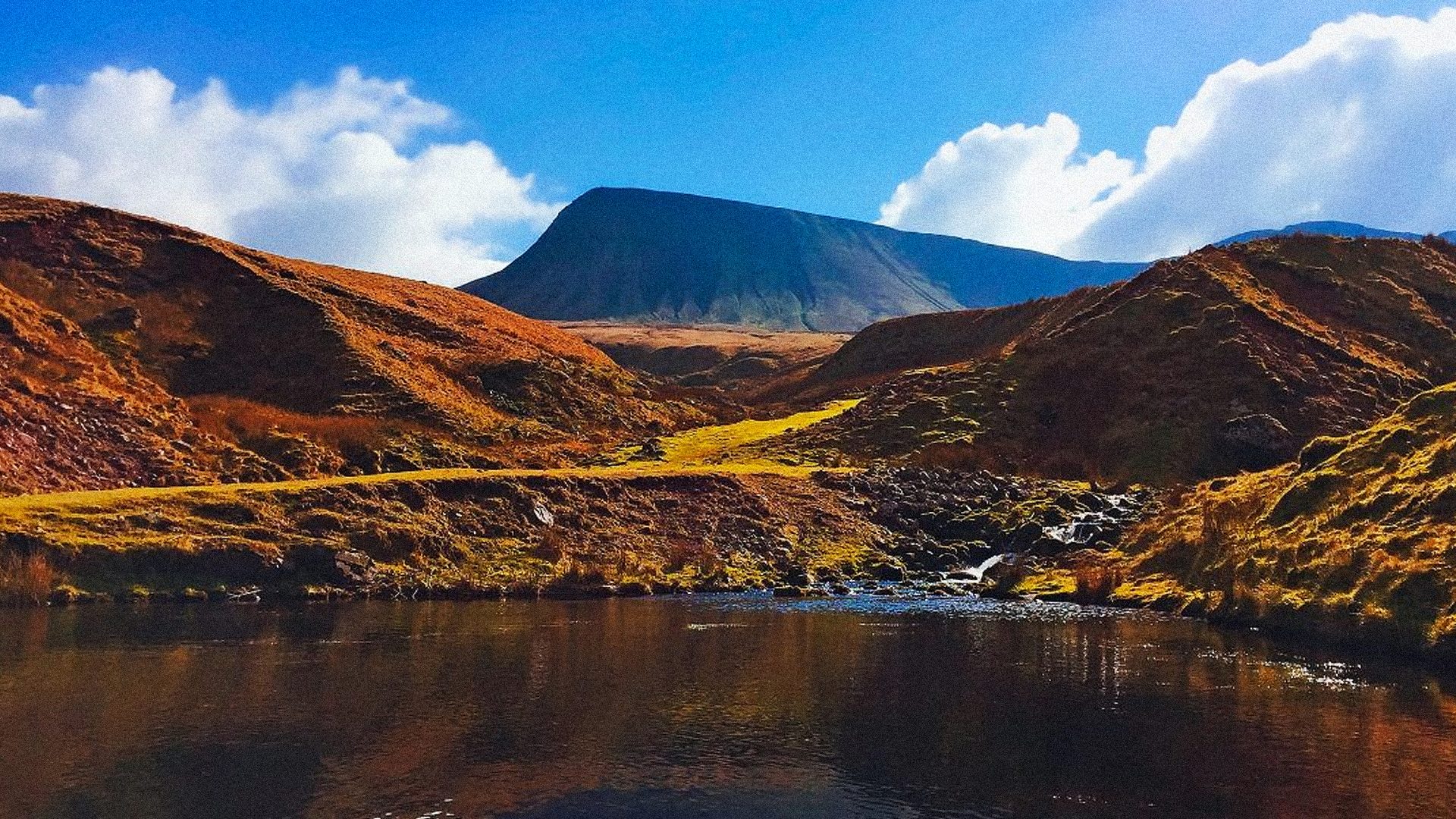
In Britain, the charity Action for Conservation has selected Gen Z teenagers to manage the epic environmental project in Brecon Beacons, Wales. They will manage 300 acres at the Penpont Estate in Powys, where they will restore wildlife habitats and develop sustainable farming and forestry.
Twenty teenagers aged 12-17 will be assigned the roles of ‘youth leaders’, taking on numerous responsibilities including planting trees, rearing livestock, and handling administrative duties such as finances and communication.
They will be assisted by conservation experts and farmers, as well as local school pupils who can also learn about nature conservation through this project. The youth leaders were all actively interested in nature before they were hand-picked by the charity.
Hannah from Sheffield says that she feels ‘very lucky – it’s a really exciting opportunity … it’s difficult to find people who are passionate about nature as I am’. Meanwhile, Lily from Cambridge said she felt this ‘would be absolutely incredible in terms of youth involvement in helping out the environment’.
The youth leaders will meet four times a year at Penpont to implement changes, and will keep up with progress via regular meetings held over video chat (they should all be used to group Zoom calls by now).
What the project aspires to achieve
The Penpont Estate is owned by Gavin Hogg who wants to see greater bio-diversity across his estate and is hoping other farms will join the scheme too.
He believes in the intrinsic value of having young people undertake the project, youths who are passionate about conservation long-term and will not just conduct ‘glorified rewilding’ on his estate.
Hogg believes that if the project is successful and continues as an ongoing venture, then “others will come here and then take away and create their own little bubbles for wildlife”.
Part of the youth leaders responsibilities will involve publicising their work in hopes of attracting new candidates to take their place and carry on the beacon once they’ve moved on.
Climate urgency and the importance of this project
There has been a great backlash from Gen Z in response to a perceived failure by governments to act strongly enough to meet global temperature targets.
This has led to mass climate change protests in the UK in 2021, where pupils walked out of their classrooms to join in and voice their displeasure.
In 2019, similar protests were far more dramatic with thousands of protestors flooding Westminster and other large city centres. The 2020-21 protests have been more low-key due to the pandemic but are still seen worldwide, such as outside Australia’s parliament in Canberra with protestors calling on their politicians to ‘fund our future – not gas’.
Australia saw a sudden and dramatic environmental catastrophe with the 2019-2020 wildfires. By the end of February 2021, they had seen nearly 85,000 square km of forest destroyed and 3 billion animals affected.
The change has not been as sudden in the UK, but the numbers are still deeply troubling.
56% of UK wildlife has declined from 1970-2013. A quarter of UK mammals and nearly half of all birds are assessed as being at risk, while a State of Nature Report declared that the UK was ‘among the most nature depleted countries in the world’.
This astonishing verdict on the UK’s ecological situation, along with the statistics, shows that astronomical changes are needed right now.
This large-scale project by Action for Conservation is at least a start, and one that has a sustainable plan of action to keep running, hopefully inspiring others as they do so.
This article was originally written by Robert Collins. ‘I’m Rob, a post-grad from City, University of London where I studied Magazine Journalism. I have a life-long interest in politics, having studied it at BA level, and am fascinated by the times we live in. Other subjects I love writing about are social change, the climate crisis, and music’. Visit his LinkedIn, his Twitter, and check out his site here.
I’m a contributing writer here at Thred. My bio and contact information can be found at the bottom of each article. If you would like to become a remote writer for Thred, please email us at [email protected] or click here to see more information on the Change Maker Network.
The ongoing Winter Olympic Games have seen many acts of defiance against the Trump administration. How will the situation play out when the US hosts in 2028?
When Baron Pierre de Coubertin revived the Olympics in 1896, one of his main aims was to promote mutual understanding among athletes. He believed that competing on the track instead of the battlefield could encourage peace and help prevent war.
However, countless...
Anxiety, depression, and emotional problems are on the rise across the globe, cutting across boundaries of culture, geography, and socio-economic status. The World Health Organisation says ‘one in seven’ have a mental health disorder in 2026.
According to the World Health Organisation, ‘one in seven adolescents worldwide has a mental health disorder.’ Such statistics obviously cannot be ignored.
This generation of teens is the first to be raised in an...
Why has the precedent that ‘British culture is dying’ invaded every aspect of our lives recently? From TikTok commentary to culture-war politics, who is really influencing the supposed shift in British culture?
Claims that Muslims and BAME communities are erasing British culture have become a popular rhetoric in recent political spheres in the UK, but also around the Global North as a whole. Popular, but not new.
Here's my take...
Findings suggest women' s professional development was only a priority for half of US businesses in 2025.
‘Many companies are overlooking women – and it’s crucial that they don’t,’ reads the opening line of the 2025 Women in the Workplace report. What follows is no more encouraging. The state of play across the corporate landscape is pretty dire where gender parity is concerned.
The standout finding was that only half...
We use cookies to ensure that we give you the best experience on our website. If you continue to use this site we will assume that you are happy with it.
































 0 comments