






 0 comments
The annual catastrophic haze that spreads across Southeast Asia has been a long-standing problem that the region has found hard to mitigate. This year’s chair of the ASEAN committee, Malaysia, hopes to drive action.
From lush rainforests to a tropical climate, Southeast Asia has it all.
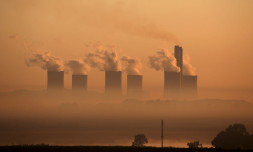
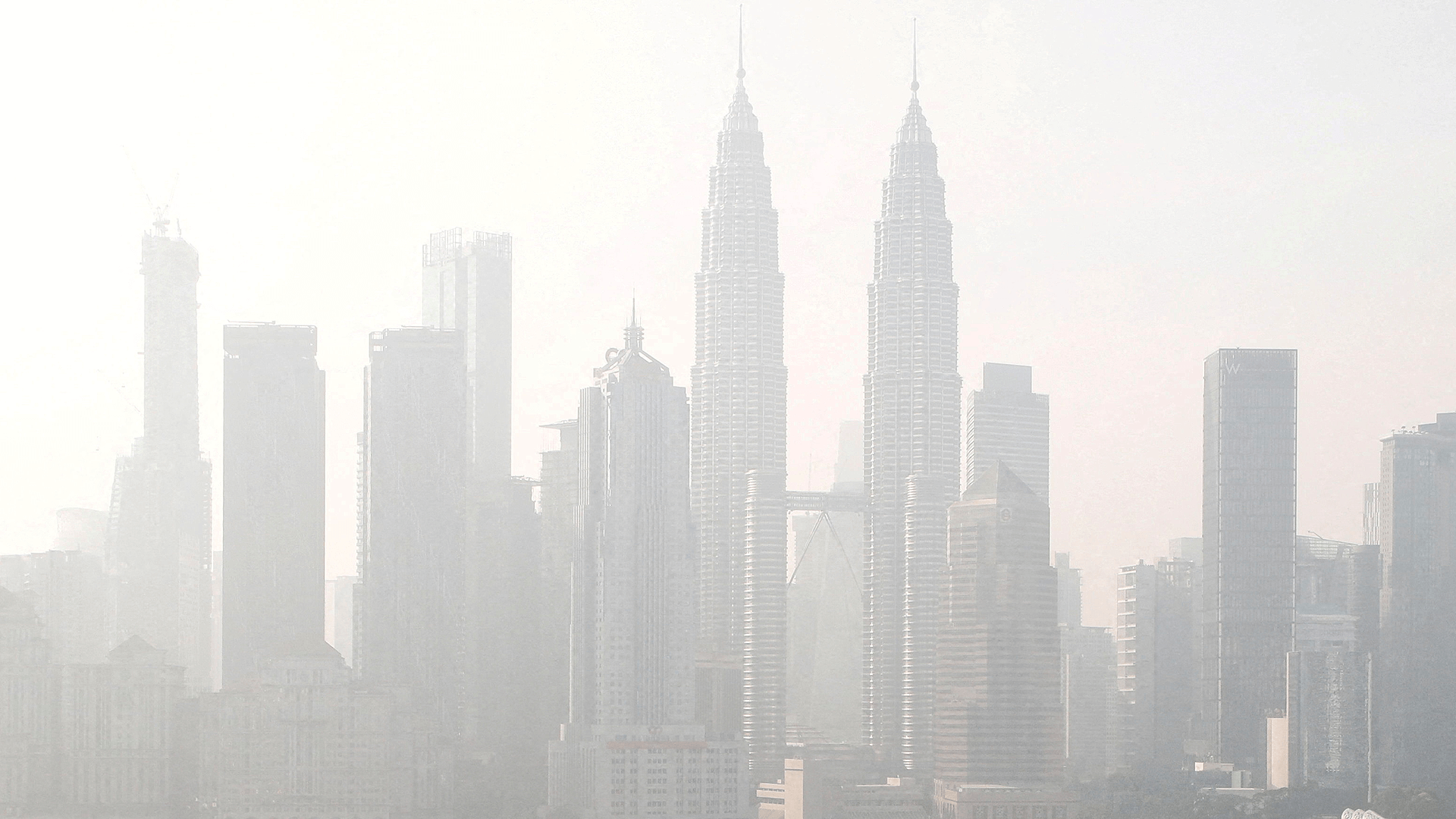
Unfortunately, this includes hazardous atmospheric conditions, which natives have long referred to as the haze. This phenomenon, essentially characterized by thick and persistent air pollution, plagues the region annually, reducing visibility and leaving a smoky, grey tint in the air.
The haze consists of particulate matter, within the ranges of PM 2.5 to PM 10 in the worst cases. Its other constituents include toxic gases and smoke particles. Often, this event is transboundary, originating from one country but ultimately transcending borders, depending on the atmospheric conditions and the status of El Niño.
The main cause of this phenomenon is the method of land clearing called slash and burn. As its name suggests, this technique aims to clear forests and peatland by fire to make way for agricultural land uses. Peatland is highly problematic when burned due to the soil’s toxicity, and it also produces toxic smoke that is difficult to distinguish.
Surprisingly, the biggest contributor to this nightmare is Indonesia. The regions of Sumatra and Kalimantan islands are typically the main epicentres of these forest fires that generate boundary-crossing haze. As a result, its immediate neighbours, Malaysia and Singapore, are usually the ones that are hit hard by the poor atmospheric conditions.
Southeast Asia experienced the worst haze crisis in its history in 2015, with eight countries severely impacted. The event went to the extent of leaving a reddish-brown tint in the air in some nations. Unfortunately, the haze lasted for almost two months and cost the region billions of dollars to mitigate.
Though the region faces such turmoil annually, its effects seem to be never-ending. Economics aside, the biggest impact is on the health of its citizens. Due to the composition of the haze, it often contributes to respiratory issues, cardiovascular complications, and even cancer.
Not to mention, the environmental impacts that cause a profound disruption within ecosystems, and even the loss of biodiversity due to the forests being cleared.
ASEAN’s agreement
In fact, the haze has been going on for decades, and in 2002, the Association of South East Asian Nations (ASEAN) signed the Agreement on Transboundary Haze Pollution.
Only after the 2015 crisis was it fully ratified by all ASEAN countries, with Indonesia being the last to do so. The agreement aims to prevent and control haze pollution through international cooperation through a framework of sustainable development.
As you can guess, despite it being a landmark, first-of-its-kind agreement, not much was done through it. Commitment to mitigate the haze saw wide variations across ASEAN, coupled with a lack of strong enforcement mechanisms.
There was a whole controversy surrounding the political insensitivity of criticizing Indonesia for its role in the haze.
The current efforts by ASEAN nations in this crisis have been very disconnected, with little collaboration to resolve a common issue.