New study suggests that pregnancy can make you age faster
According to recent research, women who have been pregnant before are more likely to exhibit signs of accelerated biological ageing compared to women who have never been pregnant. While it may feel like common knowledge that pregnancy ages you, a new study published in Proceedings of the National Academy of Sciences...
Current in Science

Could gene-editing cure HIV?
Scientists say they’ve been able to literally cut out the ‘bad’ bits of DNA from infected cells to eliminate HIV in patients using the Nobel Prize-winning technology CRISPR. During the last few years, scientists have made strides towards treating diseases through gene-editing technology, their most promising breakthrough being the...
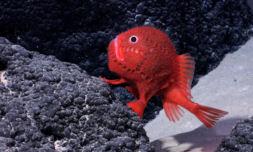
Over 100 new species found on underwater mountain near Chile
Off the coast of Chile, up to 3,530 metres below sea level, scientists have discovered over 100 previously unknown species living on an underwater mountain. The planet’s biological tapestry is significantly richer than we knew last week. Scientists from the Schmidt Ocean Institute have just discovered 100 new species living...

World’s first IVF rhino pregnancy could save species
The critically endangered northern white rhinoceros could be brought back from the brink of extinction after scientists successfully transferred a lab-created embryo into a surrogate mother. At present, there exist only two infertile female northern white rhinoceros on Earth as a consequence of illegal poaching – fuelled by the demand...
Disrupted sleep linked to cognitive decline in later life
According to a new study, young people with poor sleep quality are more than twice as likely to have memory and thinking issues when they get older. Though sleep is known to play an important role in the health of our brains and numerous studies have associated the lack of...
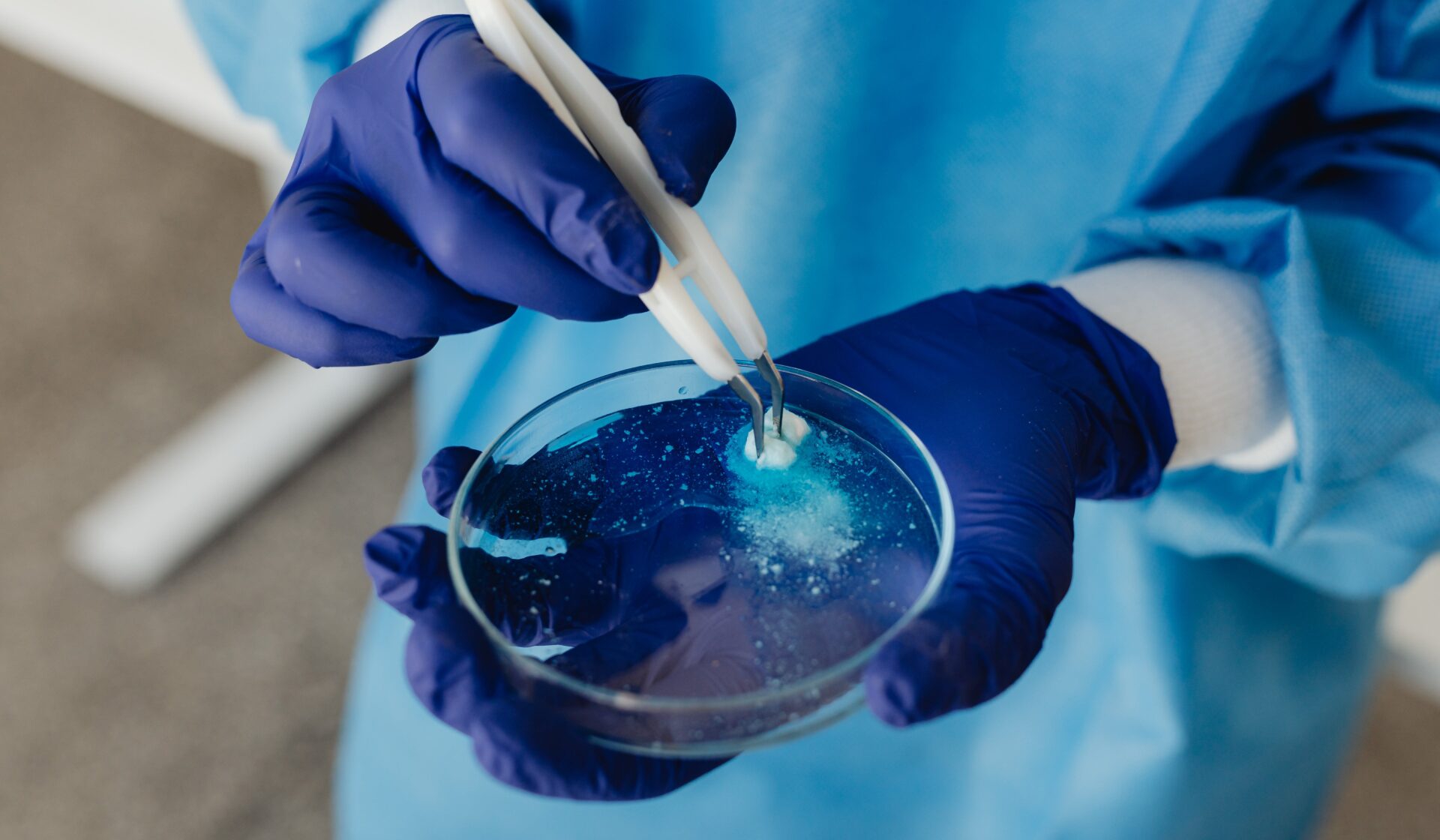
AI discovers the first new antibiotic in over 60 years
A deep-learning algorithm has helped scientists identify new compounds that are effective against antibiotic-resistant bacteria – a public health threat that causes thousands of deaths annually. With doctors concerned that antibiotics have become increasingly ineffective since Fleming first purified penicillin in 1928, the recent discovery of a compound which...


UAE’s ‘low carbon’ blue ammonia debunked by experts
Hydrogen is heralded by many as the key to decarbonising energy, but the UAE’s ‘low carbon’ way of transporting it through blue ammonia is drawing scepticism from experts. When the president of the world’s leading climate conference is simultaneously the chief of a top 10 oil production empire, it’s understandable that experts would want his grandiose ecological claims to be substantiated with science. In recent years, Sultan Al Jaber has touted...


PlayStation’s ‘India Hero Project’ to cultivate the nation’s gaming talent
The ‘India Hero Project’ is a scheme which will allow the nation’s indie developers to pitch to a committee of nine Sony employees. Financial, technical, and marketing support will be offered to the best demos and Sony may even publish games directly. The gaming market in India is currently worth an estimated $868m which is expected to double by 2027, according to data from analytics firm Niko Partners. As of...

The growing danger of satellite re-entries
While satellites play a crucial role in various industries, recent concerns have emerged regarding the potential safety risks posed by aging satellites re-entering the Earth's atmosphere. In recent years, there has been a growing concern about the dangers of satellites falling from the sky. This is due to several factors, including the increasing number of devices in orbit, the lifespan of existing satellites, and the growing threat of space debris. In...


Space launches are ‘profoundly’ polluting Earth’s atmosphere
A team of researchers has traced atmospheric pollution to types of metal found in rockets and satellites. Is our ozone layer again under threat? In our quest for knowledge and cosmic expansion, is the Space Age leaving dirty fingerprints on our Earth’s stratosphere? A team of researchers recently discovered an abundance of pollutant aerosols lingering within the second layer of the planet’s atmosphere – the majority of which are directly...