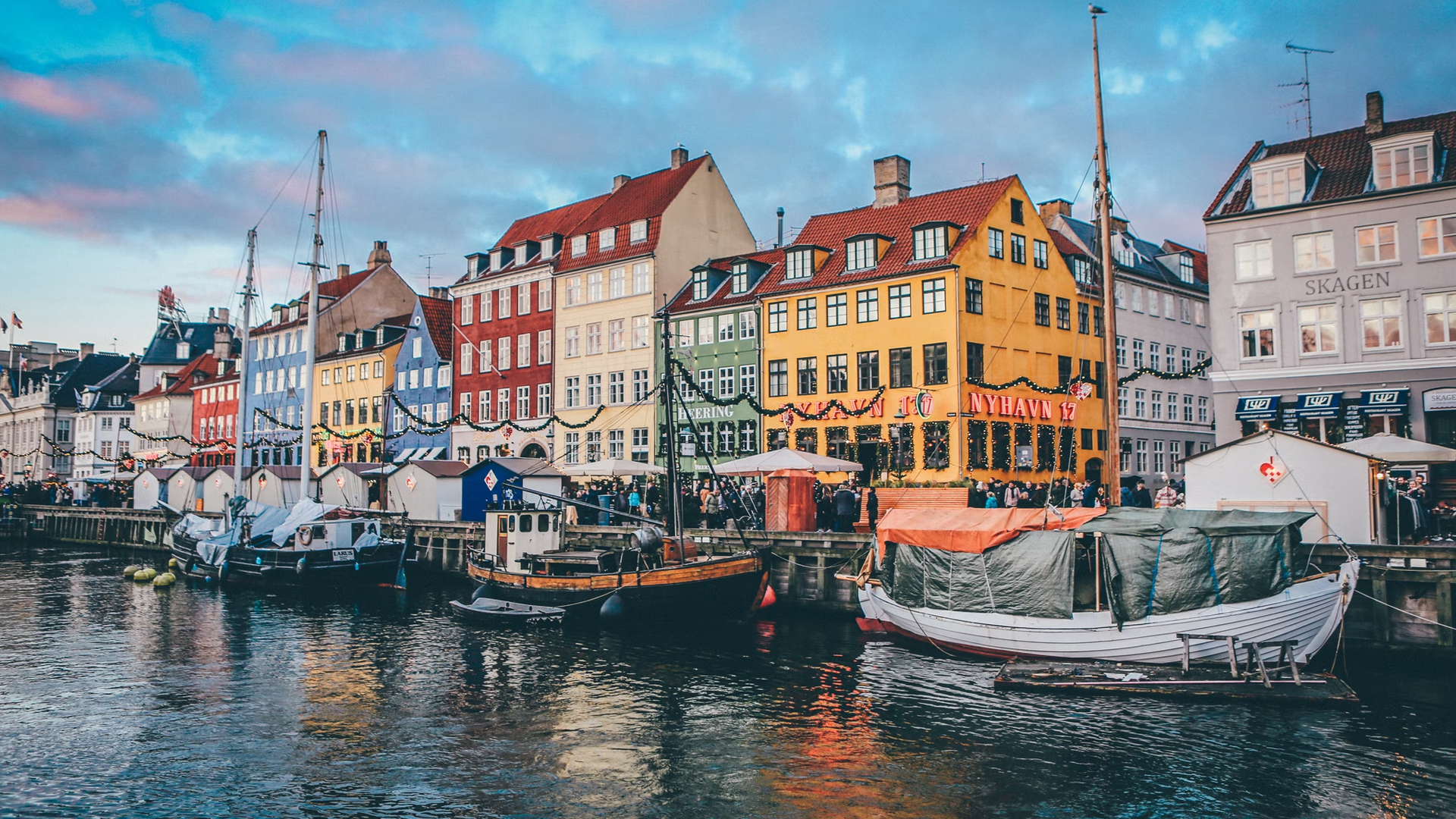
Denmark to build world’s first ‘energy island’
Denmark is set on building the world’s first energy island, which will be the size of 18 football pitches. Denmark has a history of being a global leader in renewable energy. In 1991, they built the first offshore wind farm, and currently 48.6% of the energy produced by the country...
Current in Planet

Two companies are making coffee time more sustainable
Drinking coffee is a non-negotiable for most people, despite the fact it produces unfathomable amounts of waste every year. Two companies are on a mission to make our morning brew a lot eco-friendlier. As the world’s third most consumed beverage, coffee gets a lot of love worldwide. But do you...

A new technique turns organic biomass into durable plastic
Scientists have created a new type of plastic made from organic plant waste. It could be used to make packaging, textiles, medicine, and even electronics. Life in plastic, it’s fantastic… yeah, that didn’t age too well. Reducing our reliance on fossil fuels and the plastics created from them has been identified...

Opinion – Kylie’s ‘climate criminal’ controversy is part of wider issue
The billionaire has faced a torrent of intense criticism amid reports that she frequently uses her private jet for brief journeys, despite mounting concerns over the deteriorating state of our planet. Earlier this week, as a troubling number of countries across the globe scrambled to cope with unprecedented heatwaves courtesy...

The popularity of vapes is an environmental nightmare
New research has identified that two vapes are thrown away every second in the UK alone, ending up in landfill despite the fact they contain lithium, a valuable and increasingly scarce metal on which much of the high-tech economy depends. Unless you’ve been living under a rock, you’ll know...
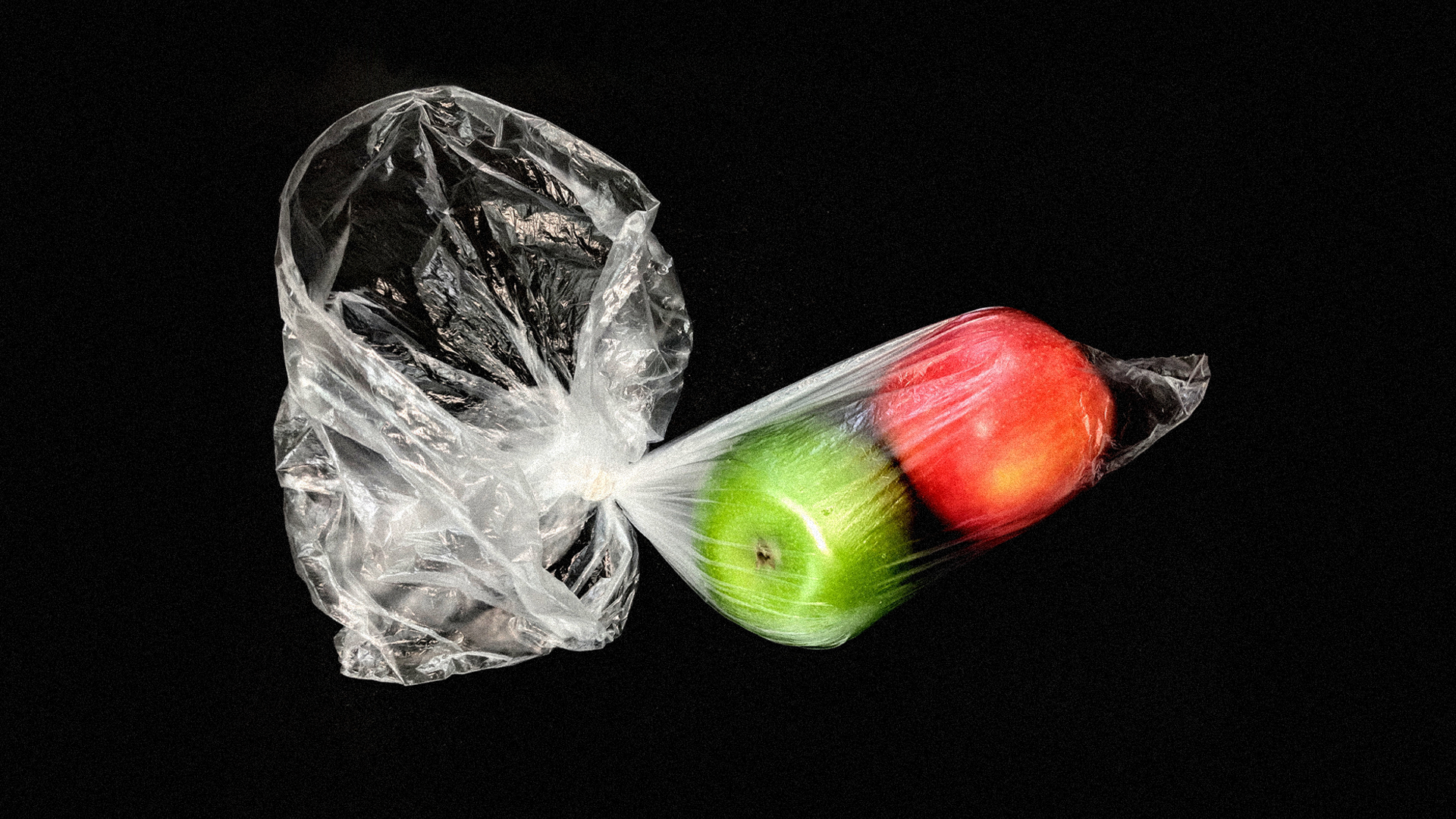
New spray-on coating could replace plastic food wrapping
Researchers at Harvard and Rutgers have developed a new plant-based antimicrobial coating to protect food. It has the potential to replace single-use plastic wrappers. As anybody who eats on-the-go knows, plastic wrapping and single-use packaging is a major environmental waste problem. We throw away tons of cardboard and plastic every...

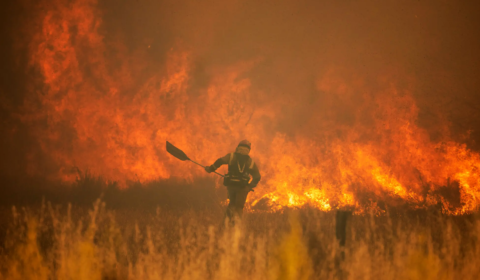
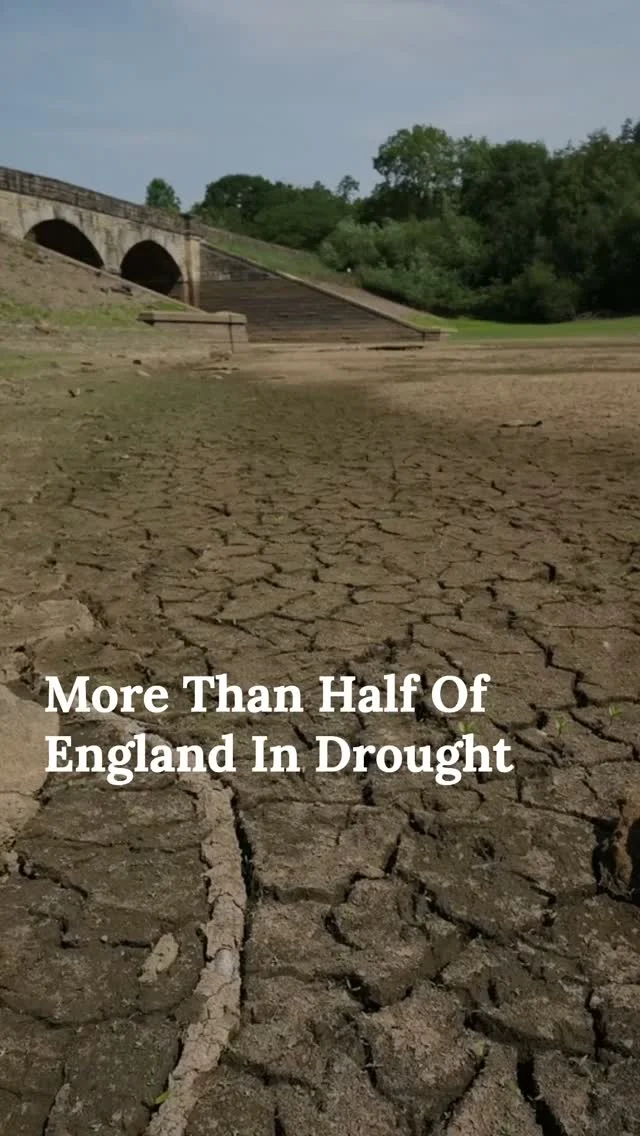
What does a summer of heatwaves say about our climate?
From India to Europe and more, climate change is driving increasingly intense and damaging heatwaves as humans struggle to adapt. The world has been feeling the heat in 2022. India and Pakistan experienced their hottest March on record this year, exposing many to power and water shortages. Europe, meanwhile, is only just emerging from an unprecedented heatwave, with forecast models indicating any relief will only be temporary across the Iberian Peninsula. In...

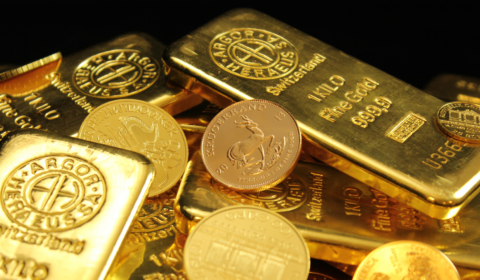
The mission to improve sustainability and ethics in the gold industry
Banks store it, people wear it, and in times of trouble, the world’s wealthiest hoard it. But what are the social and environmental costs of gold? In light of global inflation, investors are flocking to gold as a ‘safe-haven asset’ to protect their wealth. Because unlike money, gold’s value is retained or even hightened in times of financial uncertainty. As fears of a recession loom due to the war in Ukraine...


Opinion – Why we need to redefine our understanding of ‘the wild’
Why is it important to talk about the differences in opinion on wildlife conservation and preserving the inherent character of natural lands in a world that is under siege by the global capitalist machine? For most readers, particularly for those living in developed or Global North countries, the fear of death has been systematically displaced from our day-to-day experiences in order for the political and financial elite to maintain...

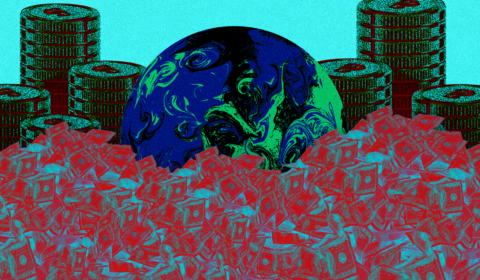
Fossil fuel companies sue governments over climate action
In response to attempts to limit further extraction, foreign oil and gas companies continue to file lawsuits against governments. According to a report by the UK-based social justice organisation Global Justice Now, five major fossil fuel companies, including Rockhopper, TC Energy and Uniper, have filed lawsuits worth over 15 billion EUR in Europe and the United States. An increasingly visible climate emergency and calls on governments to take action have...