Why the Kashmiri pandits are fleeing after being reinstated
The Kashmiri pandits were expelled from the disputed territory of Kashmir in the 1990s. Years later, the Indian government launched an employment programme and provided secluded accommodation for them. But in light of increased militancy and targeted attacks, they have been forced to flee once again. Due to the rise...
Current in People

Is it harder for women to manage diabetes?
Diabetics are more likely to have complications during pregnancy, irregular menstrual cycles, and less enjoyable sex. Does the condition create an unintentional gender gap? Two months after I was diagnosed with type 1 diabetes, my body finally started to function normally again, and my period came back. But with the...
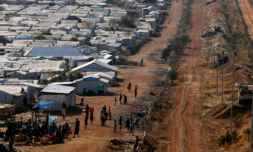
The UN World Food Programme suspends aid to South Sudan
Approximately 1.7 million people in South Sudan face severe starvation after the UN’s World Food Programme suspends its food aid in some parts of the country. On Tuesday, the UN agency World Food Programme (WFP) announced that 1.7 million people in South Sudan are at risk of food shortage...

Half of UK cite ‘takeaways and Netflix’ for Gen Z’s inability to buy houses
A new study by King’s College London has found that 48% of the UK public believes Gen Z spend too much on takeaways, Netflix, and coffees, which is preventing them from buying houses. The actual facts suggest otherwise. Next time you’re sat watching Friends in your overpriced rented flat,...
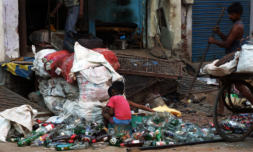
India begins enforcing federal ban on single-use plastic
As part of a federal crackdown on single-use plastic, India has outlawed the production and distribution of 19 wasteful items including plastic cups, straws, and cigarette carton film. Staunch on enforcing these rules, New Delhi will shortly be announcing further measures. In our global bid to get a stranglehold on...

Is Africa’s LGBTQ+ community truly safe in 2022?
Let’s face it, the African continent is still not a safe haven for the LGBTQ+ community. In almost every African country, homosexuality is considered a taboo. Africa identifies itself with traditional customs and beliefs that date centuries back. According to the Human Rights Watch, most African nations are still traditionalist...

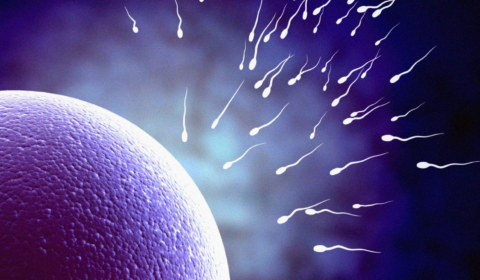
Will ‘forever chemicals’ hinder human reproductive ability?
Samples taken from 100 men in Denmark reveal the presence of a ‘cocktail’ of toxic chemicals, causing scientists to question how these chemicals are affecting our ability to reproduce. While a large portion of Gen-Z isn’t exactly rushing to populate the Earth (duh, it’s burning!), there’s been concern in recent years that declining sperm counts in men could lead to population problems in the future. Research from the early 90s...


What safe water at Gaza City’s beach means for Palestinians
Decades of tension has affected water quality at Gaza Beach, forcing locals to choose between protecting their physical wellbeing or enjoying life’s simple pleasures. The Gaza Strip is one of the most densely populated areas in the world, home to 2.3 million Palestinians who have been confined to 362 square kilometres due to the Israeli occupation. To the west of Gaza City lies a beach, one of the only places...

Research says being lonely shrinks brains and increases dementia risk
We might be out of lockdown, but social isolation hasn’t ended for everyone. Loneliness prevails across all generations – and science says it’s not so great for our brains. At some point in our lives, we’ve all felt lonely. Whether you moved to a new place, ended a close and valued relationship, or had a best friend move away for good – avoidance of this gut-wrenching feeling is one that causes...

Amsterdam airport becomes first to cap flight total for the climate
Amsterdam’s Schiphol Airport is the third-largest in Europe, and yet it will become the world’s first to cap the number of flights permitted every year. Touted as a response to the climate crisis, will this prompt wider industry change? Still preoccupied with the whole EPA debacle? Here’s a tidbit of positive news for you. While the aviation industry currently makes up 2.1% of all human-induced carbon emissions, a recent milestone...