
Lesego Chombo becomes Gen Z minister in Botswana
The newly sworn-in Botswana President Duma Boko has appointed 26-year-old Lesego Chombo as the Minister of Youth and Gender Affairs. The former pageant becomes one of the youngest cabinet members in Botswana’s history and Africa. The 26-year-old Lesego Chombo's cabinet appointment has signaled a fresh wave of leadership under Boko’s...
Current in People

University tuition rise is alienating UK youth
Keir Starmer's government increases university tuition fees for the first time in almost a decade, from £9,250 to around £9,500. Young people across the nation are frustrated over the new rise in university tuition fees, from £9,250 to £9,535. This is the first-time tuition fees have risen since being frozen under...

Why the world hasn’t fully adopted digital voting
Despite technological advancements, many countries remain hesitant to fully embrace digital voting systems with concerns such as security, accessibility, and trust playing a part. Many tables this year would have seen the topic of elections during dinner. Many elections occur worldwide, and the results determine the fate of nations and...
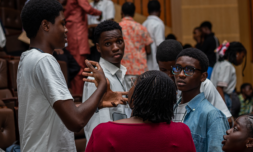
Nigeria drops treason charges against minors
In a move that brought relief across Nigeria and the world, the courts recently dropped treason charges against dozens of protesters, including thirty children between the ages of 14 and 17 arrested in August’s protests. Nigeria’s recent detention of minors on treason charges for participating in protests has ignited...

You might also be suffering from vicarious trauma
As we encounter countless images and news of people in distress, navigating our emotions is becoming increasingly difficult. Remember those stories we heard as kids that made the world seem like nothing but sunshine and happiness? Growing up, we all come to realize that life isn’t a fairy tale. Still, most...

What is the 4B movement?
The phenomenon is gaining traction in the US after emerging in South Korea. The 4B movement is a bold refusal. In South Korea, a country where dating violence, revenge porn, and a stubborn gender wage gap are everyday realities, women are stepping away from marriage (bihon), childbirth (bichulsan), romance (biyeonae),...


Female gig workers in India fight for recognition
India’s first women-led gig workers’ union just orchestrated a nationwide digital strike on Diwali. The protest marked a significant milestone in the fight for labour rights across the country. The Gig and Platform Workers Union (GIPSWU) made history last week by organising India’s first-ever digital strike across eleven major cities. Participants switched off their phones and refused to work on Diwali, which is traditionally one of the busiest...

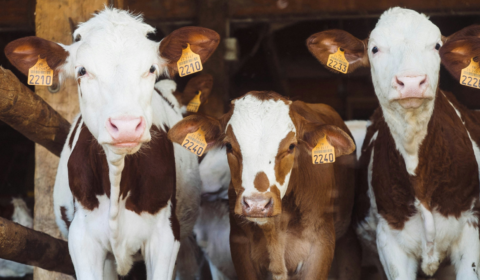
Pregnant heifer deaths raise concerns over animal welfare in EU transport
The recent deaths of pregnant heifers, transported from the European Union to Turkey have heightened concerns about the welfare standards for live animal transportation. Globally, animal transport has been trending upward over the years, driven by various factors ranging from demand for animal products to changes in industry practices. Last year, the market was valued at an estimated $352 million and is projected to grow at a compound annual...


Is elitist culture dominating Russel group universities in the UK?
Following an Oxford Professor’s controversial quote on state school students reading levels, working class young people across the nation are discussing the elitist culture still prominent in the UK’s top universities. Russel group universities are the top twenty-four research universities in the UK. The self-selected association includes globally renowned establishments such as the University of Oxford, University College London, University of Cambridge etc. Seemingly the prestige of these universities is not...

What are the Taliban doing at COP29?
The fundamentalist group is attending the summit for the first time since its violent return to power in 2021. Though objections have been raised, poverty-stricken Afghanistan is ranked as one of the most vulnerable countries to the climate crisis and it’s for this reason that hosts in Azerbaijan extended the invitation. In 2021, the world watched in horror as the Taliban, taking advantage of America’s withdrawal from the region,...