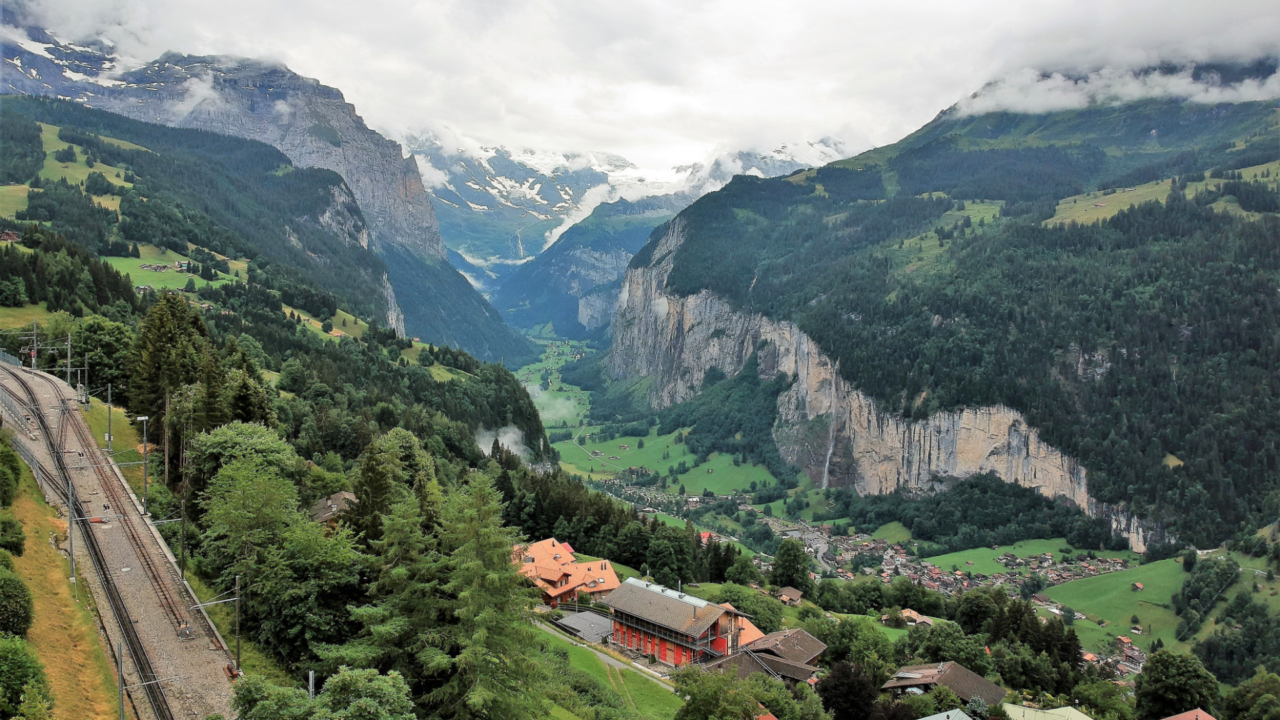
Switzerland’s warm spring triggers new climate law referendum
After experiencing record-breaking warm temperatures this spring, over 200 scientists urged the Swiss government to hold a referendum for a new climate law. If successful, it will trigger a national move towards reaching net zero by 2050. On the 18th of June, Swiss citizens will vote on an important...
Current in Change
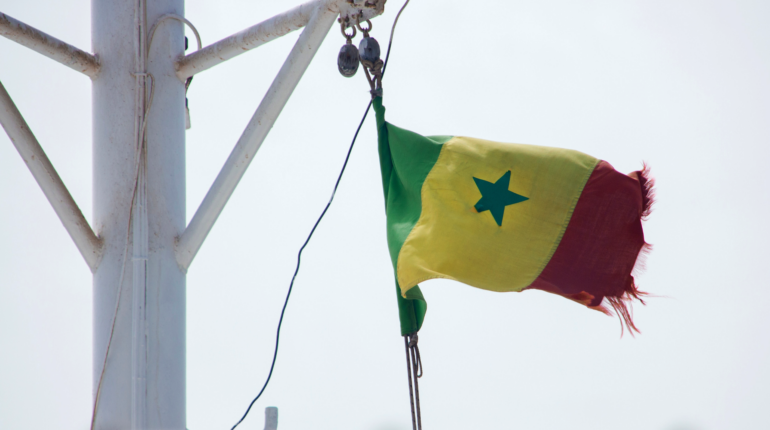
Understanding Senegal’s youth protests
Last week Senegal’s protests deepened as president Macky Sall's potential bid for a third term sparked outrage amongst thousands. According to local reports, three have died including a teen while more than thirty have been injured backing opposition leader Ousmane Sonko. Senegal's Gen Zers have taken to the streets in...
Greece makes 280 beaches wheelchair accessible
The decision comes after the country’s tourism minister declared full access to the sea a basic human right. Greece, known for its stunning coastline and turquoise waters, is taking a momentous step towards inclusivity and accessibility by making its beaches wheelchair accessible. This progressive initiative aims to provide people with disabilities...

Plantd is creating carbon absorbing building materials from grass
Plantd is a burgeoning startup using grass fibres to create building materials instead of wood. Could this become a popular alternative in the future? The drive for constant economic growth comes at a cost to natural resources, particularly wood. The volume of wood used for lumber in a single year...
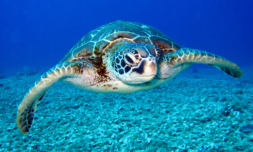
Panama gives sea turtles legal rights and protection
A new law has been set out to protect endangered sea turtles in Panama. The hope is that neighbouring countries will follow suit in granting them a right to a healthy environment that is free from poaching activity. Panama has just taken ‘I like turtles’ to a whole new level. The...
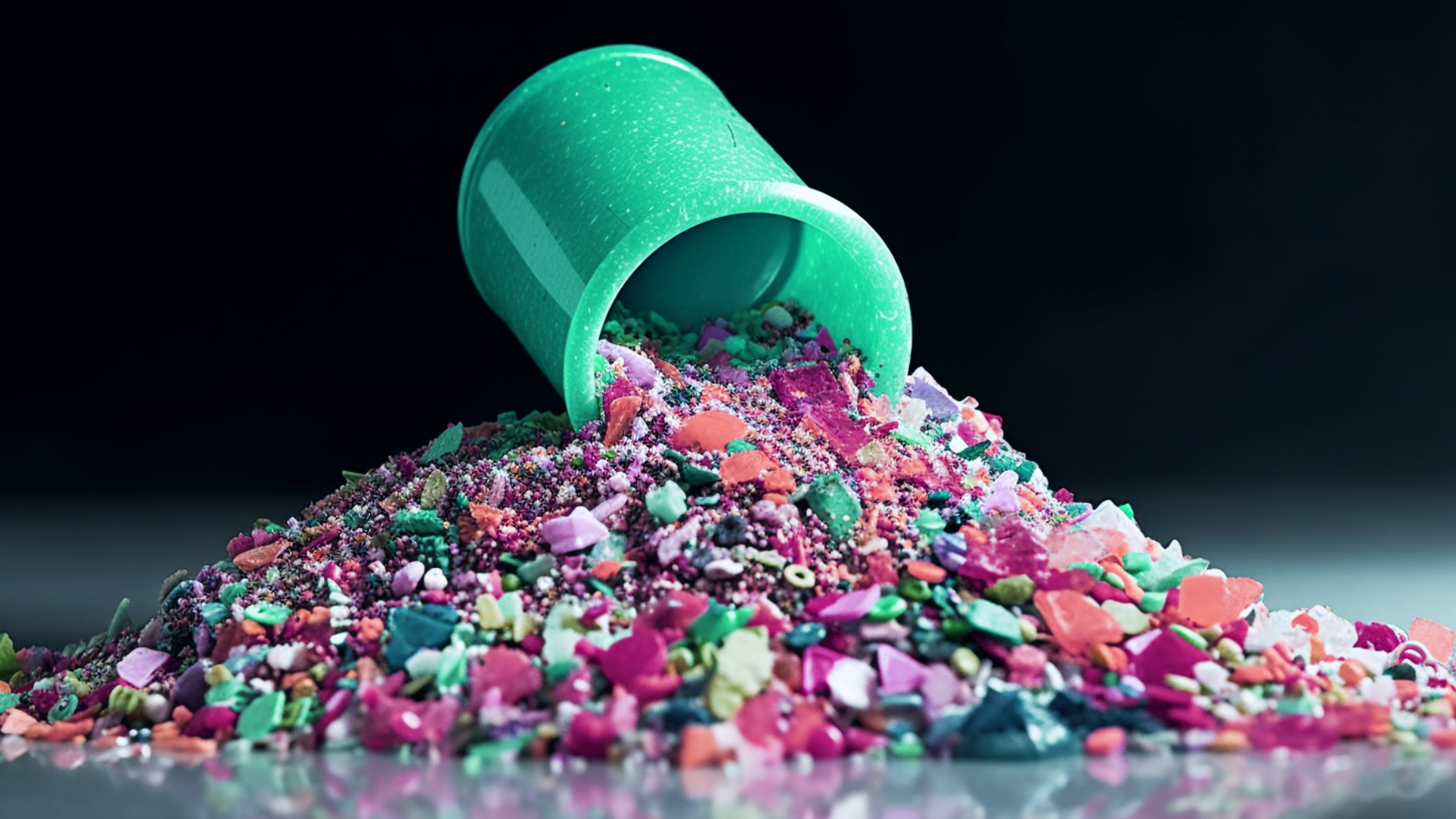
Study shows recycling can release huge quantities of microplastics
Billed as a key solution to the climate crisis, recycling could be releasing huge quantities of microplastics itself, according to a new study. The vast majority of our plastic waste winds up in landfill, bonfires, and in our natural environment, but how efficiently is the 9% that is recycled...

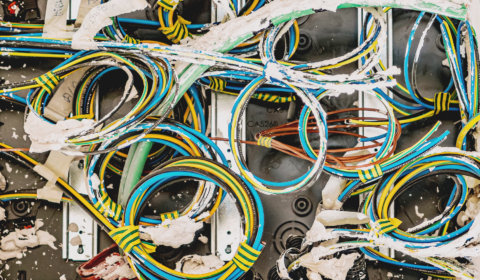
Navigating through the geopolitics of internet cables
In today's hyper-connected world, where information flows seamlessly, it is easy to overlook the intricate web of infrastructure that makes it all possible. Beneath the ocean's surface lies a vast network of undersea internet cables, transmitting data and connecting nations in a web of digital interdependence. However, beyond their technical marvel, these cables also serve as crucial assets, influencing the balance of power, security, and economic dynamics on a global...


Exclusive – Chatting to the ‘Gen Z Historian’ Kahlil Greene
The self-professed Gen Z historian, who uses content creation to channel his passion for history, social justice, and public speaking, educates young people on how to build their knowledge so as to best support the causes they care about most. We spoke to him about what this involves. ‘Everyone has a different way of enacting change,’ says Kahlil Greene. ‘For me, it’s educating.’ Exemplifying this statement, the 23-year-old began his journey...

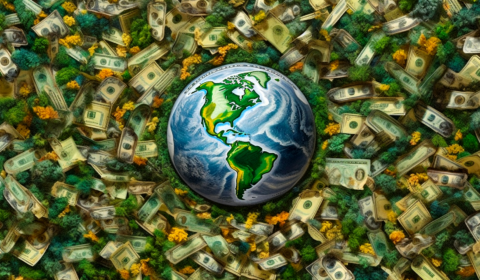
Should we pay people a daily rate to protect the environment?
A conservation basic income (CBI) should be awarded to those living in fragile forests and regions of biodiversity, a new study says. Researchers believe it would incentivise communities to halt activity that causes environmental degradation. We all know that money makes the world go round. Well, kind of. We depend on it for survival, and as a result, we’re constantly looking for ways to make our next dollar, pound, euro, yen...

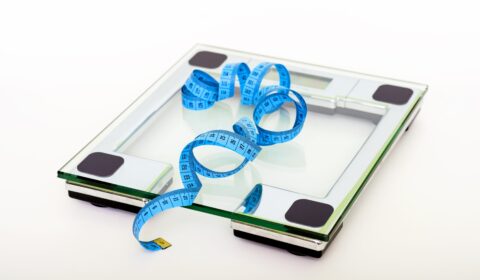
Doctors urged not to rely on BMI to assess health
The American Medical Association is no longer recommending the use of body mass index as a measure of weight, after years of controversy and criticism around the metric. The scales are formally shifting on body mass index (BMI), a measurement that’s been the source of much scorn in recent years. Invented in 1832 by Adolphe Quetelet, a Belgian astronomer and mathematician, it was adopted by governments around the world in the...