





















What sparked the violent clashes in Amsterdam?
Residents of Amsterdam witnessed violence erupting on their streets as clashes broke out between Israeli visitors and local pro-Palestine supporters. Yesterday evening, violence broke out on the streets of Amsterdam following a Europa League match between the local team Ajax and Israel’s Macaabi Tel Aviv. It is understood that the...
Current in News
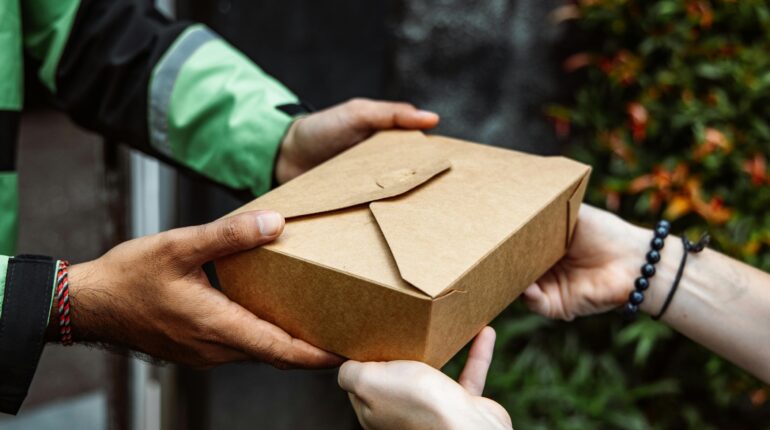
Female gig workers in India fight for recognition
India’s first women-led gig workers’ union just orchestrated a nationwide digital strike on Diwali. The protest marked a significant milestone in the fight for labour rights across the country. The Gig and Platform Workers Union (GIPSWU) made history last week by organising India’s first-ever digital strike across eleven major cities. Participants...
What are the Taliban doing at COP29?
The fundamentalist group is attending the summit for the first time since its violent return to power in 2021. Though objections have been raised, poverty-stricken Afghanistan is ranked as one of the most vulnerable countries to the climate crisis and it’s for this reason that hosts in Azerbaijan extended...
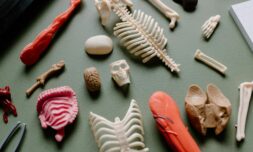
Breaking down intersex variations in human biology
Recent studies indicate that intersex variations are as common as red hair, affecting approximately 1.7% of the global population. Public awareness about this facet of human biology remains limited however, highlighting the need for improved education and acceptance across the board. ‘Intersex’ is an umbrella term that encompasses a wide...

India ranks lowest in Global Nature Conservation Index
The country’s environmental protection efforts are being scrutinised after it ranked 176th. India’s score of 45.5 out of 100 in this year’s Global Nature Conservation Index positions it among the worst-performing countries in the world. The assessment, conducted by Ben-Gurion University and BioDB, looked at land management, biodiversity threats, governance capacity,...
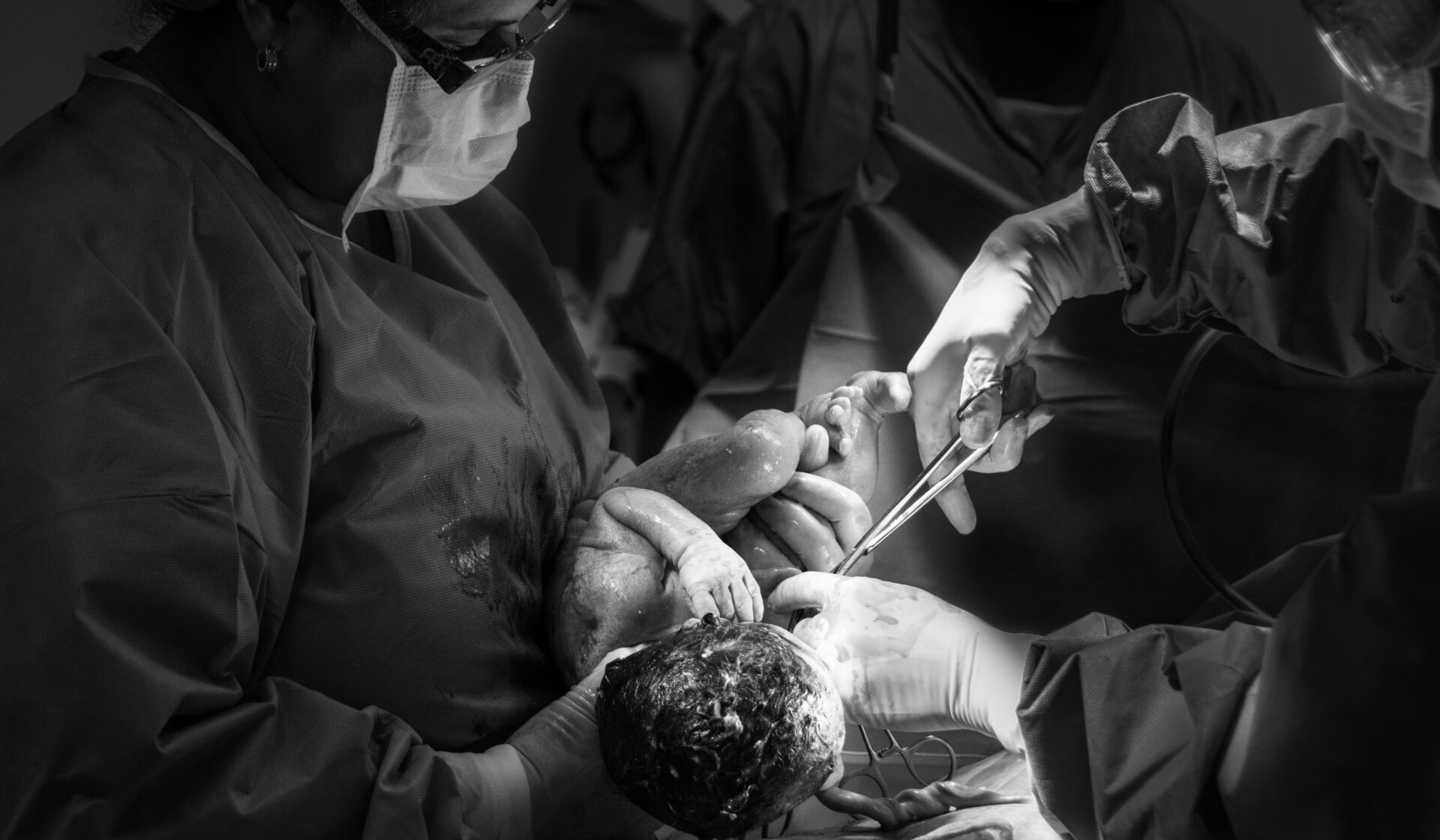
The silent crisis of obstetric violence in Indian hospitals
In maternity wards across India, a disturbing pattern of mistreatment and disrespect towards pregnant women has emerged. While government initiatives aim to promote hospital births, this raises questions about women’s safety and the quality of care in these environments. Though relatively new to India, a silent crisis of obstetric...


Everything you need to know about COP
The 29th session of the Conference of the Parties to the United Nations Framework Convention on Climate Change is kicking off in Baku, Azerbaijan, and will be continuing for the next two weeks. What’s the purpose of the annual summit, what’s the focus this year, and after almost three decades of discussions, can we be hopeful that they’ll actually make an impact this time? Every year since the mid-1990s, world...


Emergency contraception could be banned in India
Regulatory bodies are considering restricting access to over-the-counter morning after pills. This has sparked a debate about women’s reproductive rights and public health priorities. India’s Central Drugs Standard Control Organisation (CDSCO) is currently considering banning the sale of over-the-counter emergency contraception, particularly that which contains Levonorgestrel. Until now, morning after pills including Ipill and Unwanted 72 have been safely accessible without a prescription. The proposed restriction, which was initially...


Why doesn’t the US want to collectively save nature?
Besides the Vatican, it’s the only nation in the world that hasn’t joined the Convention on Biological Diversity – the single most important global treaty designed to safeguard Earth’s animals and ecosystems. What’s behind this reluctance to stave off ecological collapse? As it stands, only two countries haven’t joined the UN Convention on Biological Diversity (CBD): the Vatican and the US. Given America has some of the strongest...
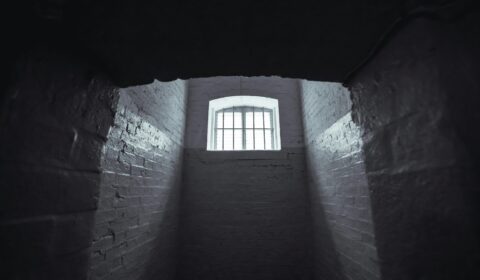
The silent crisis plaguing India’s prison system
In recent years, the health of political prisoners across India – from scholars to activists – has severely deteriorated in custody and some have even died as a result. This human rights issue reveals a systemic failure and demands immediate attention and reform.
The death of G.N. Saibaba, a 90 per cent physically disabled human rights defender, marks another tragic chapter in India’s handling of political prisoners.
Saibaba, who