
Trump appears to have killed the Green Proving Ground program
The Green Proving Ground program was established in 2011 and was designed to test and implement emerging technologies for reducing energy waste in buildings. It appears the Trump Administration has cancelled it. According to a new report by Fast Company, it seems the Trump Administration has cancelled the Green...
Current in News
New research finds high levels of microplastics in human brains
A new study has found that human brains contain high levels of microplastics that are increasing over time. It has higher concentrations of the material than any other organ. The human brain contains higher concentrations of microplastics than other organs, according to a study published Monday in the journal...

What’s sun blocking and why are scientists warning against it?
The controversial technology, which is intended to limit the effects of climate change by reflecting sunlight back into space, might not be such a great idea after all. As we know, hundreds of the world’s leading climate scientists expect our planet to breach the internationally agreed 1.5C threshold by 2027...

The hidden struggle of gay men in urban areas across India
In the shadows of India’s cities, a pervasive crisis of violence continues to plague gay and bisexual men, revealing deep-rooted prejudice that persists despite legal progress. In bustling metropolitan centres throughout India, a disturbing narrative of violence against gay and bisexual men is unfolding, challenging the nation’s progressive legal...

When consumer choices become political statements
In a world increasingly divided by complex geopolitical tensions, consumers are showing solidarity with humanitarian causes by challenging multinational corporations. Last month, Gaza Cola – the beverage ‘with a message and a mission’ – took off in the UK. The popularity of this ‘apartheid-free’ alternative to boycotted brands among pro-Palestine supporters...
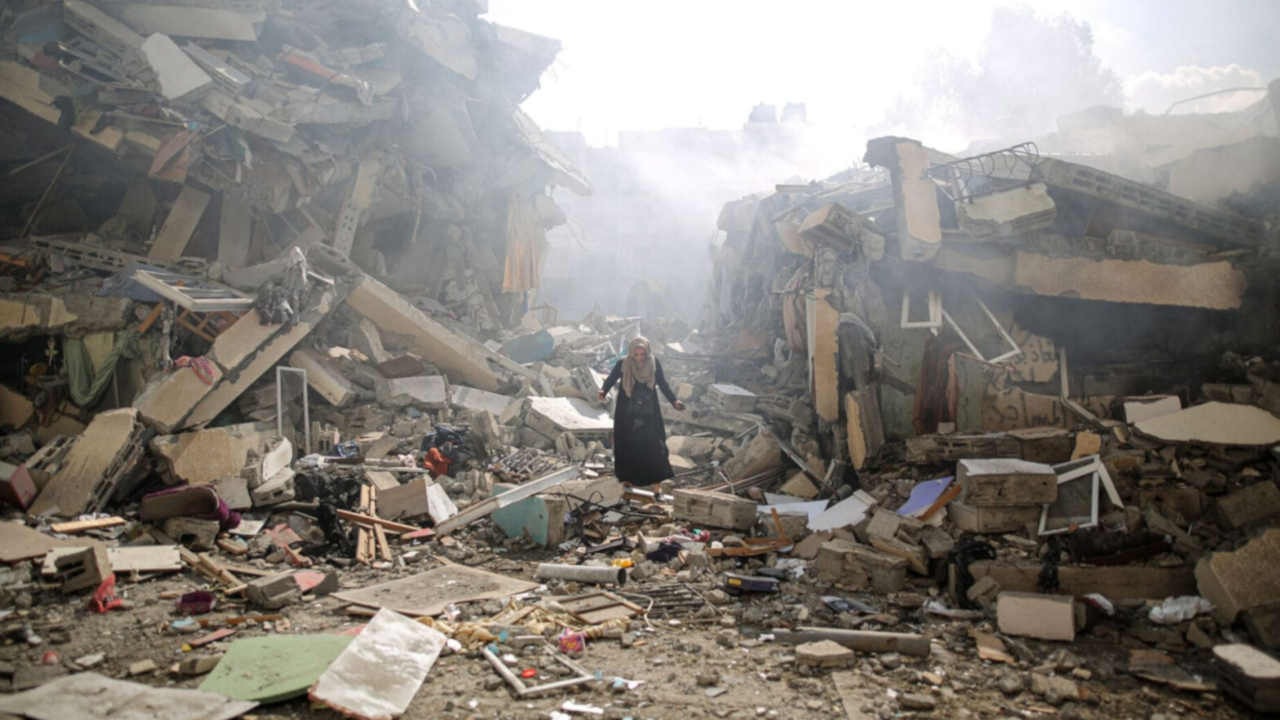
Amnesty International says Israel is committing genocide in Gaza
The human rights organisation has alleged that Israel’s war against Hamas in the Gaza Strip constitutes the crime of genocide under international law. This morning, December 5th, Amnesty International released a report titled, 'You Feel Like You Are Subhuman': Israel’s Genocide Against Palestinians in Gaza. It contains months of research, extensive...


Why are ecosystems in west India vanishing?
As developers commodify pristine landscapes to meet the growing demand for luxury coastal living in Goa, the state faces an environmental reckoning that threatens not only its natural heritage, but the survival of its delicate ecological balance. Long celebrated for its stunning landscapes and vibrant culture, the picturesque coastal state of Goa is facing an environmental catastrophe that extends far beyond the widespread issue of overtourism. As controversies...


Lebanon’s humanitarian crisis has highlighted women’s resilience
In the shadow of ongoing conflict, the women of Lebanon stand as pillars of strength, navigating a landscape of destruction, displacement, and persistent systemic challenges that threaten to erase their voices and identities. The current crisis in Lebanon is more than just a humanitarian emergency – it is a profound human rights catastrophe that exposes the intersectionality of gender, violence, and geopolitical conflict. Since the escalation of military...

Will the UK’s new spiking laws be effective?
Seeking to ensure the safety of women and girls in Britain, the government is cracking down on this growing epidemic. With gender-based violence almost at a breaking point, however, the pledge must be matched with systemic change if it’s to make a tangible difference. It’s common knowledge that gender-based violence (VAWG) is an ever-worsening issue throughout the UK and that local authorities aren’t doing nearly enough to...


Birth rates are plummeting worldwide
Threatening economic stability, social structures, and the very future of humanity, governments across the globe are desperately intervening to prevent further population decline. The world is witnessing an unprecedented demographic transformation. Countries once concerned about overpopulation are now frantically seeking ways to encourage reproduction, with approaches ranging from creative incentives to deeply controversial and invasive proposals that challenge human rights and personal autonomy. In Japan, especially, the situation has reached a disturbing...