COP28 moves to protect the natural world: historic or not enough?
While conservation groups have praised the inclusion of biodiversity and a 2030 global deforestation goal in the UAE consensus that emerged from this year’s summit, concerns remain. Last December, delegates from almost 200 nations at the ‘last chance’ COP15 conference in Montreal reached a ‘historic’ deal to halt biodiversity loss. Pledging...
Current in News
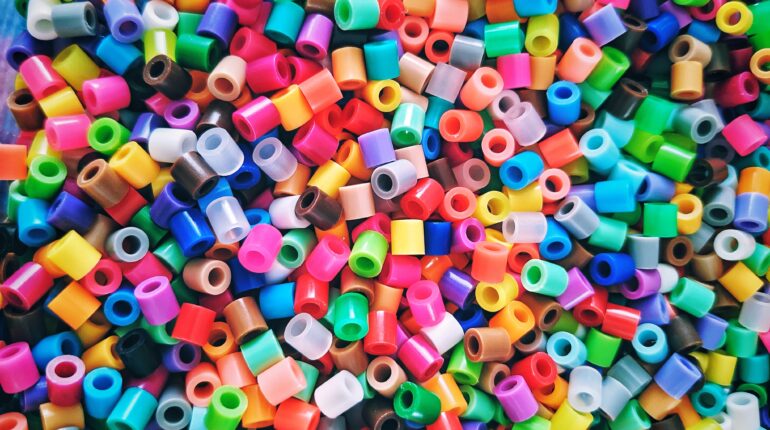
What are nanoplastics and why have scientists sounded the alarm?
A potentially much more nefarious and less understood threat than microplastics has health experts concerned after scientists uncovered a link between tiny particles of polyester and changes in brain proteins associated with Parkinson’s disease and certain types of dementia. Just when you thought our plastic pollution problem couldn’t get any...
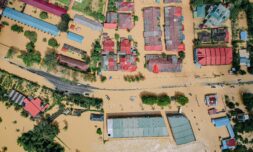
Pledges to loss and damage fund fall short at COP28
The wealthy countries most responsible for the climate crisis have so far contributed a combined total of just over $700m. This is nowhere near enough to help the world’s most vulnerable nations cope with the damage caused by slow onset disasters and extreme weather events. Day one of COP28 saw...

A UK museum has reclassified a Roman emperor as a trans woman
The decision highlights a museum’s responsibility to constantly question expected truths. The North Hertfordshire Museum isn’t necessarily a well-known institution. Located in a quaint town hall in the south of England, the galleries fade in the shadow of major British cultural spaces. But this small historical museum has put itself firmly...
Climate change is affecting human brain function
Though we’ve known for a while that environmental factors can alter the way our brains function, researchers have only just begun to examine the links between climate change and neuroscience. Since the 1940s, scientists have known from conducting studies on mice that changing environmental factors can profoundly impact the...
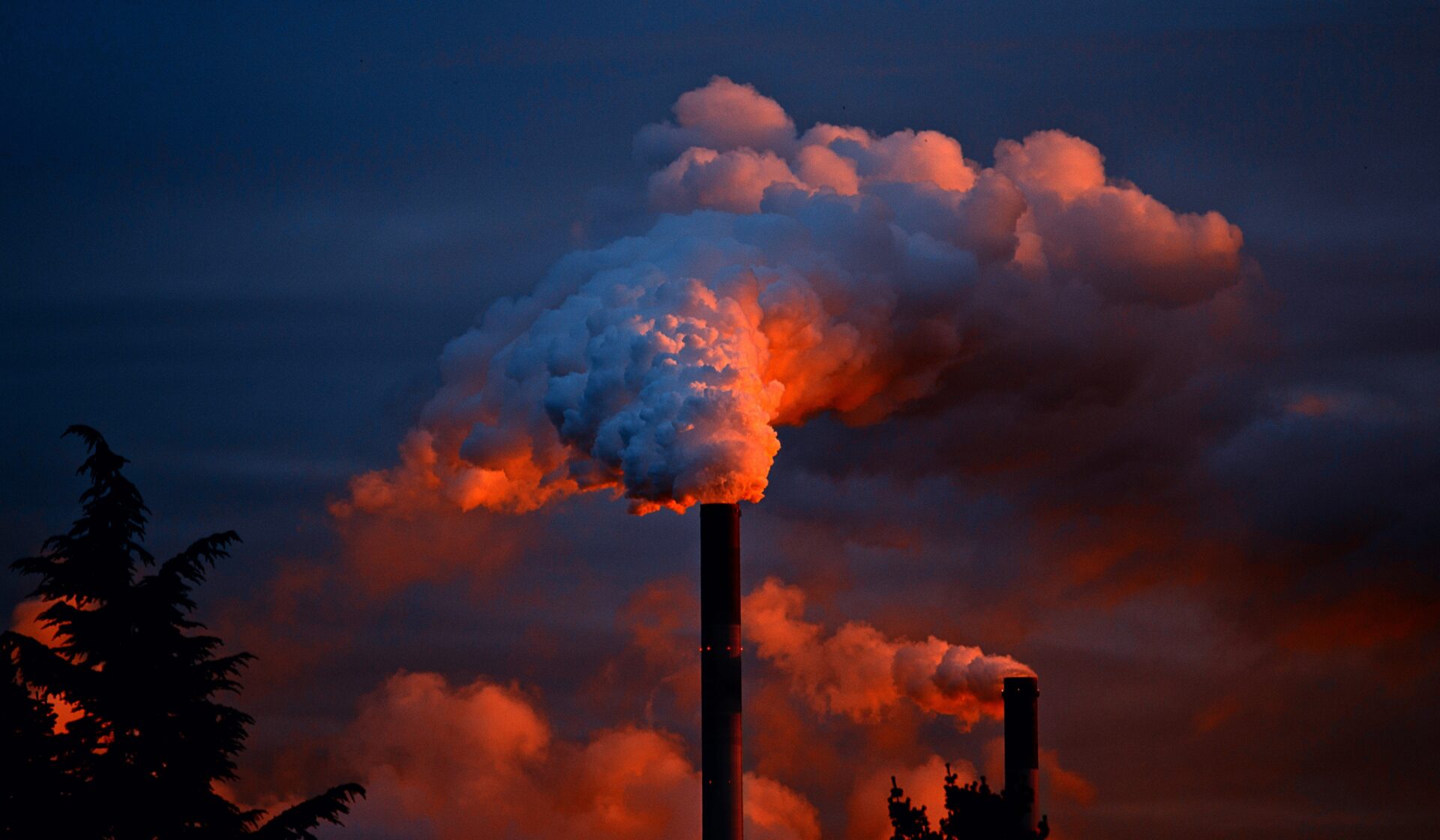
Richest 1% emit as much pollution as two-thirds of humanity
According to a recent report on climate inequality conducted by Oxfam, the planet-heating carbon emissions generated by the world’s wealthiest surged to 5.9 billion tonnes in 2019 – enough to cause 1.3 million excess deaths due to extreme heat. The richest 1% of humanity are responsible for around the...


2023 is officially the hottest year in the last 250,000 years
Two new reports confirm 2023 to be the hottest year in modern history. We are living through global warming in real time. This week, it was confirmed that 2023 is the hottest year in the past 125,000 years – meaning we’ve already lived through the warmest 12 months in human history (give or take a few years). While we still have over a month until 2024, EU scientists have said it’s ‘virtually...

NHS pledges to eliminate cervical cancer by 2040
The NHS will improve its HPV vaccination programme and is urging more women to book screening appointments in light of findings that a third are not contacting their GP when instructed to. Last week, head of NHS England Amanda Pritchard announced that thanks to improved screening rates and HPV vaccination uptake, there’s hope for cervical cancer to be practically non-existent in the UK by 2040. It’s thought to be the first...

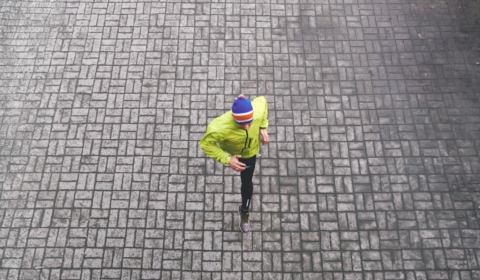
Opinion – Marathons need be more inclusive
The New York Marathon has come under fire for excluding a runner with a stoma. But across the board, are major running events doing enough to make people feel included? Like many large-scale running events, the New York Marathon is a chance to celebrate hard work, dedication, charity and community. Runners from all over the world, from a variety of backgrounds, come together in a show of solidarity and support. It’s...
How the cost-of-living crisis is pushing Britain to the brink
As bankers’ bonuses increase and government action stalls, a new cost-of-living documentary has highlighted the urgency of our country’s wealth gap. The same day that Channel 4 released its new cost-of-living documentary, a cap on bankers’ bonuses was scrapped in the UK. The irony hasn’t been lost on many, as the reality of many Britons’ living situations – some living on just £1 a day – ignited outcry on social media and...