0 comments
Governments from nearly 50 countries will gather in Santa Marta this week to discuss the global move away from oil, gas, and coal. Will it prove useful, or are we looking at more COP-esque posturing?
International climate diplomacy reminds me of my own tendency to hit the snooze button on Sunday instead of getting up and attending to my daughter. It too, is screwing the next generation over.
This week, governments from around 50 countries are meeting in Colombia’s Caribbean city of Santa Marta for a summit aimed at accelerating the global shift away from fossil fuels.
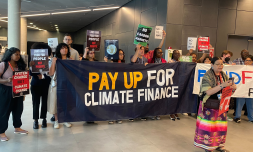
The April 24 to 29 conference is co-hosted by Colombia and the Netherlands, and will bring together ministers, subnational governments, academics, civil society groups, and Indigenous leaders.
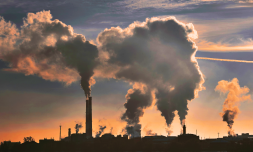
The apparent goal is to discuss how countries can move beyond oil, gas, and coal while making the transition ‘just, orderly and equitable.’ Fossil fuels remain the main driver of global warming, so you’d assume tackling their production would sit somewhere near the top of the international climate agenda.
You’d also assume COP, the annual climate summit that attracts world leaders, lobbyists, campaigners, and media, might have made some decent in-roads years ago. After all, we first covered COP at Thred back in around 2019.
Instead, decades of UN climate talks have repeatedly failed to directly confront fossil fuel production, leaving governments and advocates frustrated enough to push the conversation outside formal negotiations. It’s the same reason Greenpeace is forever in court.
COP has become remarkably good at producing final texts that sound historic until everyone flies home and realises the planet is still being run on the same stuff. Paired with the continual expansion into AI, rhetoric around going net zero coincidentally isn’t so prominent anymore.
The Santa Marta summit is not expected to produce binding commitments, either. Organisers say the point is to open political space for a debate that has long been avoided, generate proposals, and build coalitions of countries willing to move faster on a phaseout. Sounds exasperatingly familiar, right?