






 0 comments
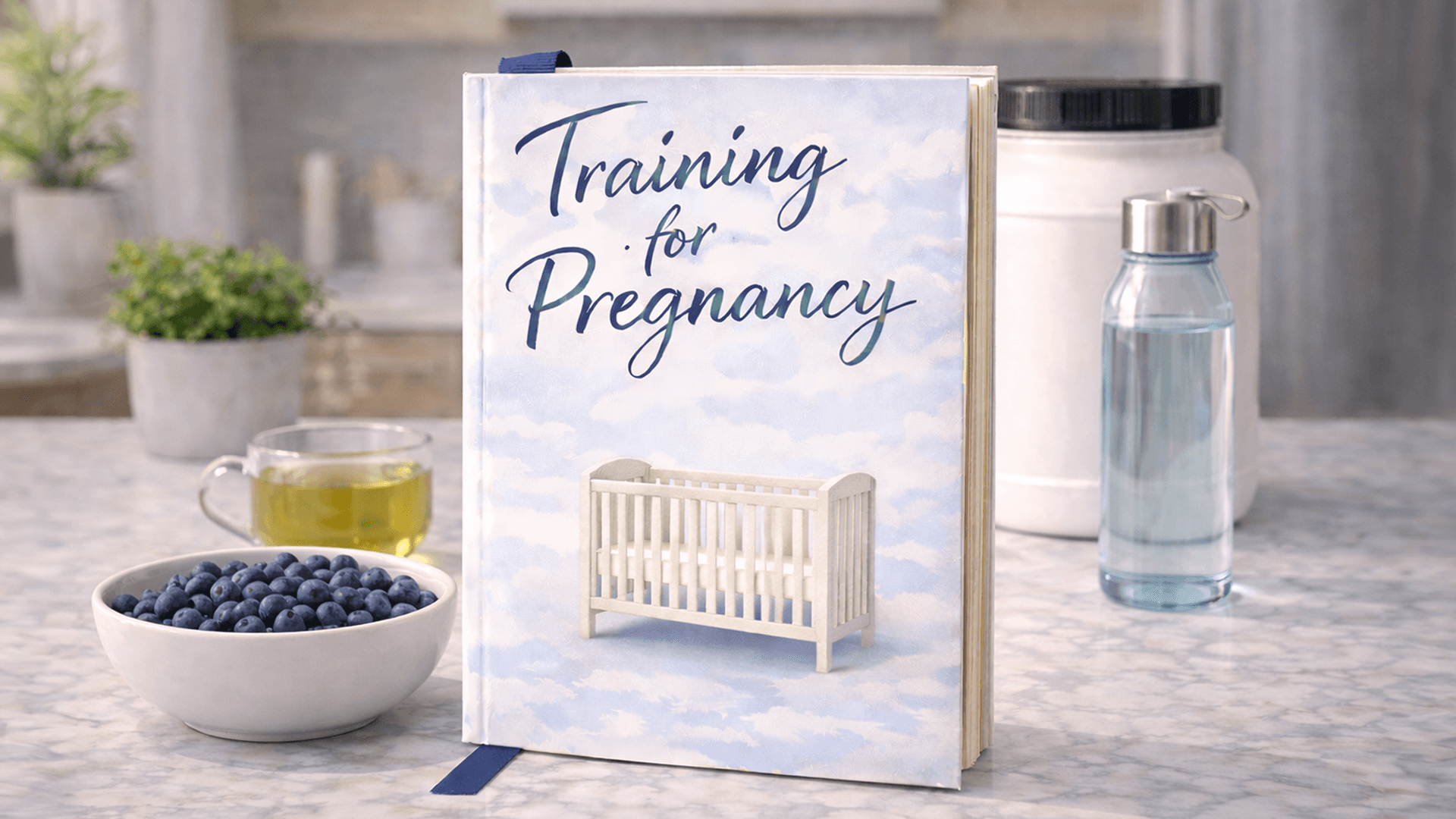
Overzealous women are preparing for motherhood like it’s a marathon.
The wellness girlies have become wellness mothers. Our societal love-affair with anything self-optimising, be it an overpriced supplement or a cyborg-adjacent beauty tool, has infiltrated the minefield of motherhood – particularly for first-time parents.
Social media is window dressing for the global wellness industry, which now boasts a $6.8 trillion+ valuation. Influencers sell us their spotless morning routines and plates of micro-herbs. Our breakfasts are suddenly lost without the inclusion of kefir – and if your cupboards are bare of bone broth ingredients? Forget it – you’re not part of the club.
This relentless pressure to live a healthy life might not feel like pressure at all. It’s usually presented as a culture that has your best interests at heart. We’re told it’s a means of taking control; of taking care of ourselves. In that sense the wellness industry preys on our deepest vulnerabilities – our fears surrounding health but also of being ‘good enough.’
Both women and men are affected by these healthy-living gurus, who encourage us to look a certain way and live a certain lifestyle. But as with many things, women are confronted with wellness jargon in almost every corner of their daily lives. Be it beauty and skincare, diet, fashion, and now even the way we prepare for parenthood.
First-time mothers are adopting the same stringent wellness rules used to ‘optimise’ themselves and applying them to pregnancy. It’s a stage of life in which we’re most attuned to our health. Anxiety is at its highest, and we’re being told what to do from all angles.
Wellness has provided a way for women to take matters (ostensibly) into their own hands. Some are pursuing a digital detox, in which they sleep away from their phones or unplug their Wi-Fi at night.
@picklewgrillchz This is not sponsored btw (hi @Driftgoods )
Others are swapping their lightbulbs from LED to incandescents for fear they’re affecting their circadian rhythm. There’s also the pervasive fear of non-stick appliances, ‘unclean’ beauty products, and processed food – all common triggers in the wellness space that take on heightened meaning during the prenatal period.
Wired’s Currie Engel writes that mothers like Esther Rohr have taken to thinking of pregnancy as a kind of Olympic sport. Despite having never struggled to conceive, the influx of online information has fostered a sense that one is never quite doing enough – that there’s always another way to prepare your baby for a ‘healthy start in life’.
The irony is that fixation on these rules and regulations can become unhealthy in its own way. Not to mention the fact that our parents’ generation managed just fine by cutting out alcohol and taking a few prenatal vitamins (if that).
That hasn’t stopped influencers from cashing in on the pregnancy prep. Influencers like Kaylie Stewart have garnered millions of followers by sharing their lengthy prenatal routines.