




























 0 comments
Still feared as ruthless predators, orcas have emerged as one of the most intelligent and socially complex species on the planet, continually challenging scientists’ understanding of marine life and cognition.
Ancient mariners, especially those speaking Spanish, were often astounded by creatures that looked like dolphins, killing whales that were twice their size.
They originally called them asesina ballenas, or whale killers. Nonetheless, in 1758, Carl Linnaeus, the infamous Father of Taxonomy, took one look at these creatures and coined the scientific name Orcinus orca.
For a long time, the primary assumptions that scientists had about orcas were that they were voracious killer, inclined to kill anything, including people. For this reason, orcas were considered a threat to valuable commercial resources like salmon and seal. This often resulted in governments sponsoring the culling of this species as they were deemed a scourge against the fishing industry.
Aside from this, many thought that orcas were undifferentiated and abundant in population. This was one of the key contributors as to why culling efforts were so easily funded. Prior to observations, the world perceived orcas to be a generic sea predator with no systemic variation in orca communities.
However, this changed in the 1960s when an orca was harpooned and shot near Vancouver, with the initial intention for it to be a model for a sculpture. Later named Moby Doll, he survived nearly three months in captivity and the public was captivated, thus sparking commercial interest.
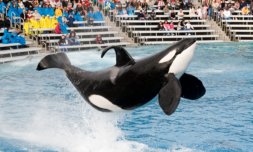
A year later, two orcas, Namu and Shamu were caught and sold to the owner of SeaWorld in San Diego, solidifying the live-capture market. This followed years of deliberate operations to capture creatures for the sake of public entertainment.
While there was much contention on orca captivity, it did allow for these creatures to finally be studied and understood. Scientists started to realise that orcas were far from simple creatures and instead possessed complex intelligence and social behaviors.
Moreover, what amazed the experts was the gentleness of these creatures towards humans. Truth be told, other than attacks in aquariums against their handlers, there have been no documented fatal attacks of orcas in the wild.
This ignited a need for field studies, wherein it was also found that there was a huge variance in ecotypes, diets, cultural hunting techniques, vocalization, and even social structures. Unfortunately, with these variances comes the fact that some populations tend to be small and vulnerable, partly driven by previous culling efforts in the early days.
Intriguing new observations
Yet, orcas continue to be a source of scientific mystery due to the frequent observations that are continually taking place. For instance, allo-kelping behavior where orcas cooperatively use kelp stalks as grooming tools to remove dead skin and reinforce social bonds, is a significant discovery, representing the first known tool-use for mutual grooming in marine mammals.
Simultaneously, pods off the coast of Mexico are expertly flipping young great white sharks to induce paralysis and extract their nutrient-rich livers, demonstrating a highly specialized and lethal hunting tactic passed down through generations. These cooperative and precise behaviors, along with the widely publicized, rapid spread of boat-ramming among Iberian orcas, are highly significant to scientists.
They serve as compelling evidence that orca culture placed an emphasis on learned behaviors rather than instinct. This acts as the primary driver of their unique social and ecological adaptations, posing a constant puzzle about the limits of non-human intelligence and the nature of their rapid social transmission.