






 0 comments
As Hounslow Council evicts Lime in favour of rival operators Forest and Voi, is stricter enforcement coming at the cost of freedom, flexibility, and sustainability.
In a significant shakeup to London’s urban mobility landscape, Hounslow Council has confirmed it will ban the use of Lime e-bikes from 11 August, awarding an exclusive borough-wide contract to competitors Forest and Voi.
The move comes after a wave of complaints about ‘dangerous’ and inconsiderate bike parking, with councillors citing a need for ‘stricter enforcement for designated bay use’ as central to their decision.
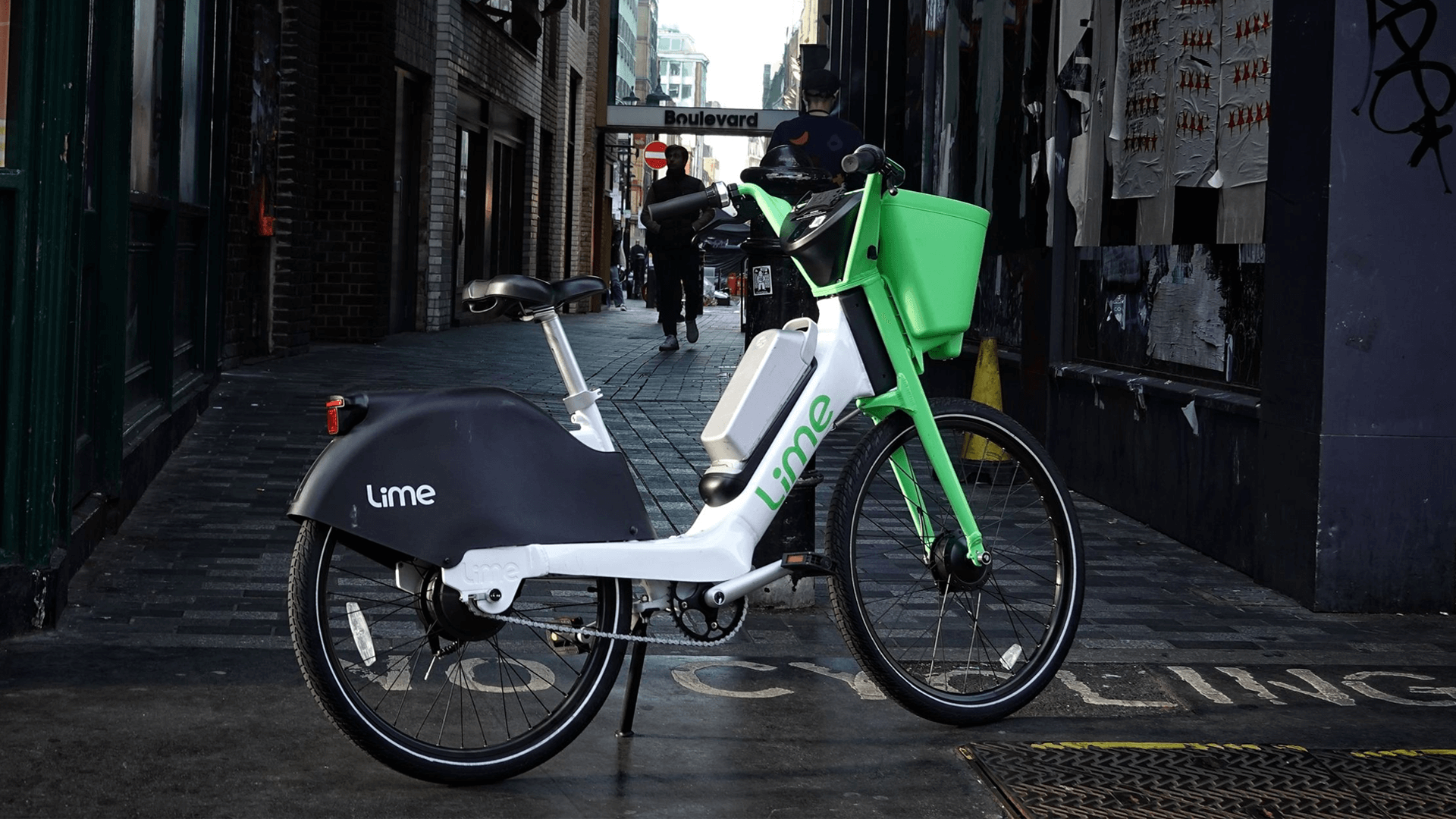
Lime is one of the UK’s most recognised micro-mobility companies, and their famous green bikes have become somewhat of a London landmark in recent years. A spokesperson for the brand has expressed disappointment at Hounslow council’s ruling, stating that Lime was ‘proud of [our] bid, which we believe offered the best overall value for Hounslow residents.’
The council, however, clearly felt otherwise. According to the BBC, some residents had been pushing for tighter controls for some time. The main bugbears amongst locals were allegedly poor parking compliance and unaffordable pricing.
Hounslow has since said it is ‘reviewing enforcement procedures to ‘maintain clear pavements and discourage poor parking behaviour’.
It’s concerns like these that have led to mounting tensions between micro-mobility advocates and urban planning bodies across the capital.
But Hounslow’s decision also raises important questions about what gets prioritised in the name of public order, and what is lost when flexibility is sacrificed for stricter control.
There is little doubt that the explosion of dockless e-bike services in recent years has transformed how Londoners navigate the city.
Services like Lime, Forest, and Voi offer eco-conscious commuters a nimble, affordable alternative to cars or crowded buses – particularly appealing in the aftermath of the pandemic, when fresh air and solo transport grew in appeal.
But unlike the infamous Santander bikes (or ‘Boris bikes’ as they were first known under former Prime Minister Boris Johnson), Lime bikes are dockless and can be left anywhere. Across the city, this has quickly led to scenes of clutter and chaos – as well as conflict with residents.
Photos of toppled Lime bikes blocking high streets or wedged against lampposts have become shorthand for the darker side of the micro-mobility boom. And during the summer, popular areas like parks and pubs can be inundated with abandoned bikes for days on end.