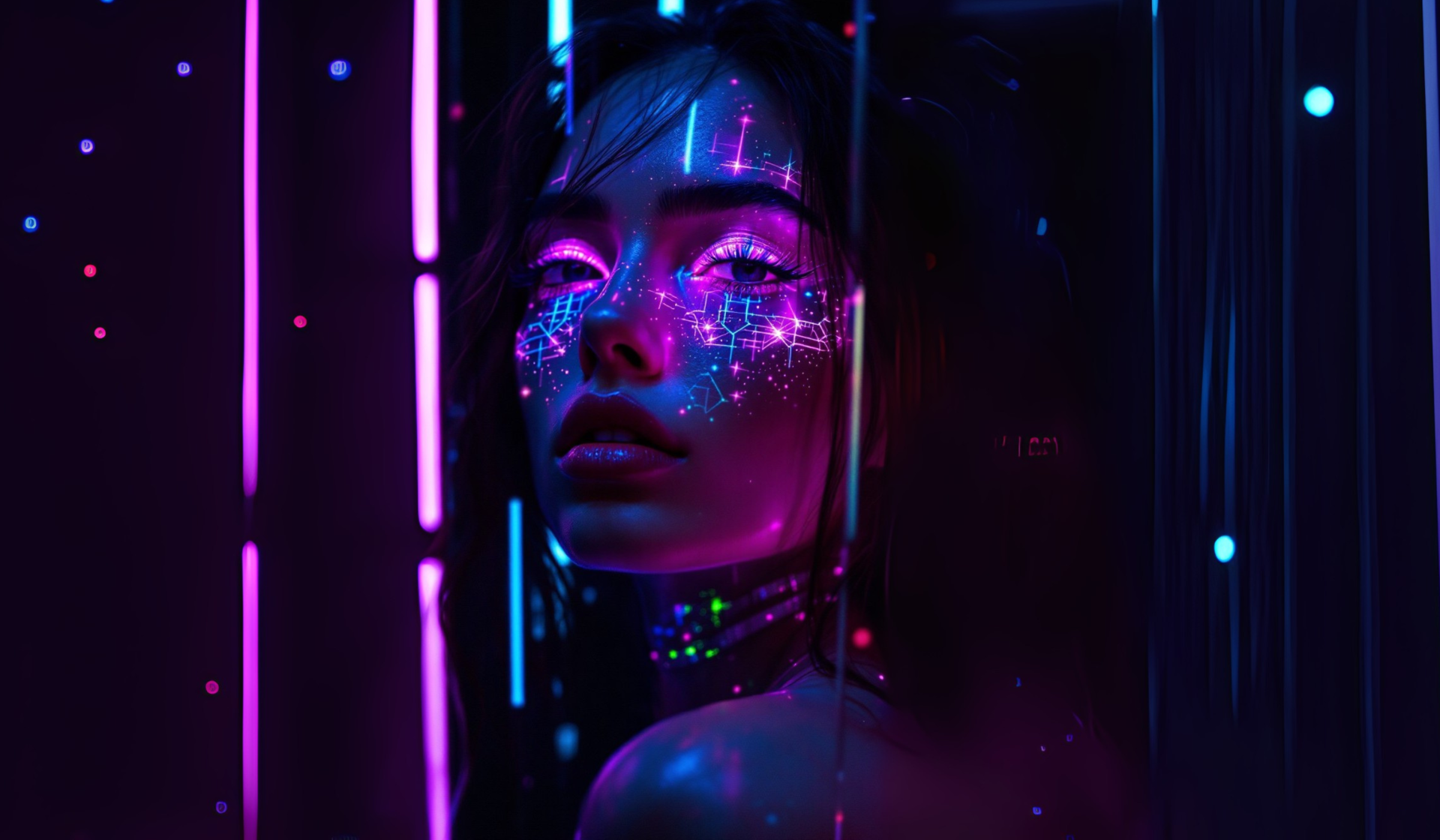
Cosmetic enhancements led by AI and advancements in stem cell research are about to transform how we think about plastic surgery, deal with the healing process, and feel about ageing forever.
In 2025, it’s not uncommon to hear someone say they’re considering getting cosmetic tweakments or aesthetic procedures like Botox, filler, and even facelifts. People are also considering these enhancements at younger ages than ever before.
Social media has played a key role in the rise of cosmetic surgeries amongst young people. While videos on TikTok, YouTube, and Instagram inform viewers on the kinds of surgeries available, being constantly perceived (and self-perceiving) online can change how we view and feel about ourselves.
In the past decade, we’ve experience the great cultural normalization of cosmetic surgeries. Experts say the factors further driving demand are greater access to information, better affordability, and more natural results.
Now, deeper scientific understanding of the human body and its biological ageing process is leading to new and sophisticated surgical techniques that help individuals achieve shockingly natural-looking results, increasing the appeal further. Consider the buzz around the results achieved by Kris Jenner and Lindsay Lohan’s surgeons.
These advanced technologies have potential to change the way we view plastic surgery as a whole, and it’s only a matter of time before they become widely accessible.
From artificial intelligence-recommended injectables to bioengineered impacts, scarless surgery, and gene-editing for anti-ageing, the plastic surgery industry is teetering on the edge of what we thought was only possible in science fiction.
It’s undeniable that AI is becoming integrated into our everyday lives at rapid pace – and the beauty industry is no outsider.
Already, there is talk about the development of at-home skin scanners and digital mirrors that enable people to track their ageing process in-real time by comparing current snapshots to ones from the past.
These devices would be able to pinpoint new developments in ageing from recent sun damage to new wrinkles and collagen loss, then advise on what can be done about them. Although this might sound like a nightmare to some people, it doesn’t mean they won’t be made available on the market anyway.
On top of this, the concept of digital twins (AI versions our ourselves) could be linked with wearable health-monitoring tech to incorporate and analyze biometric data on our sleep, diet, and vitals. Ultimately, this could allow us to track the health of our organs or any other physiological changes in one place.
On a surgical level, AI-robots could take over plastic surgery processes without the need for anything more than oversight from human surgeons. Though it’s unlikely that nanorobots will ever completely take over the task of making complex in-surgery decisions, they could become trusted for their precision, efficiency, and affordability.
Stem cell therapy will change everything
Though stem cell research has long been a focus of regenerative medicine, their potential to improve the effects of ageing due to natural cell degeneration is now being realized.
In recent years, stem cell research has been explored for use in aesthetics to help the body to repair damage without relying on modifications through injectables.
Because stem cells can be used to form skin, muscle, and bone, they can also be used to repair damage on a cellular level. In aesthetics, this would mean causing a person’s biology go back to their optimal state instead of simply masking the impacts of ageing – not to mention, it could be revolutionary for helping women who experience bone density loss as they age.
Considering its ability to restore and regenerate, stem cell therapy is likely to make scarring due to surgery a thing of the past. Investigation into how embryos heal perfectly could lead to an understanding of how to reactivate this kind of healing in adults with the help of stem cells.
This could eliminate hesitancy around surgery for those concerned about how scars may heal, while improving the results for individuals seeking to get rid of scars from serious injuries healed in the past.
Should we just because we can?
While the rapidly advancing landscape of cosmetic enhancements is certainly interesting and even exciting to learn about, questioning whether it’s ethical or even necessary to push the boundaries this far is perfectly normal.
Though the use of stem cells to achieve youthful appearances for longer certainly feels a bit more holistic than going under the knife, many would argue there would be something a little creepy about the possibility of a 70-year-old donning a 20-year-old’s physical appearance. No doubt, this would change our perceptions of the ageing process, and potentially even spark a conversation about how we should define our true ‘age’.
Not to mention, the cost of these procedures will likely see many people unable to access them, potentially pricing out individuals whose lives could be transformed by them, especially in the case of regeneration through stem cell therapy.
Wherever you stand on humanity’s never-ending path to perfection and eternal youth, one thing is undeniable – just when we think we’ve hit the glass ceiling in science – we’re quick to realise we can indeed break through, moving the goal posts of beauty and longevity once again.
Deputy Editor & Content Partnership ManagerLondon, UK
I’m Jessica (She/Her). I’m the Deputy Editor & Content Partnership Manager at Thred. Originally from the island of Bermuda, I specialise in writing about ocean health and marine conservation, but you can also find me delving into pop culture, health and wellness, plus sustainability in the beauty and fashion industries. Follow me on Twitter, LinkedIn and drop me some ideas/feedback via email.
Beauty pageants in the UK have had a rebrand.
The stereotypical image of women parading around in bikinis, smiling until their cheeks hurt and answering some variation of ‘how would you achieve world peace?’ feels increasingly outdated.
Today, pageantry sells something different. Confidence. Advocacy. Charity. Entrepreneurship. Empowerment. Contestants have platforms, careers, and causes they genuinely care about.
And, having competed in one myself, I actually believe there is some truth to that.
In...
Clothing retailer ASOS has launched an investigation after some mobile customers received a notification claiming that hackers had ‘fully compromised’ company data.
Some ASOS customers received a push notification on Tuesday claiming that hackers had ‘fully compromised’ company data, The Guardian reports.
The message included a link to Telegram, the largely unmoderated chat service, directing users to a channel supposedly operated by a cyber gang called the ‘Xuayne’ group.
The fashion...
The value of personal attractiveness is established much younger than you might think. But what does this mean for girls growing up in an image-obsessed era?
We check our appearance around 38 times per day. That pastime was once reserved for mirrors, and now extends to every reflective surface in our vicinity. Phone screens are the obvious preference – whether via their front-facing cameras or shiny black lock screens.
Social media...
It seems everyone and everything is inflamed, but is that really such a bad thing?
From cortisol to caffeine, the wellness world loves a scapegoat for stress. It’s easy to blame life’s problems on some controllable symptom that can be stifled with the right pill or lavish morning routine.
The latest buzzword to take charge of the health conversation is ‘inflammation’. To look at any wellness page is to feel as...
We use cookies to ensure that we give you the best experience on our website. If you continue to use this site we will assume that you are happy with it.






























 0 comments