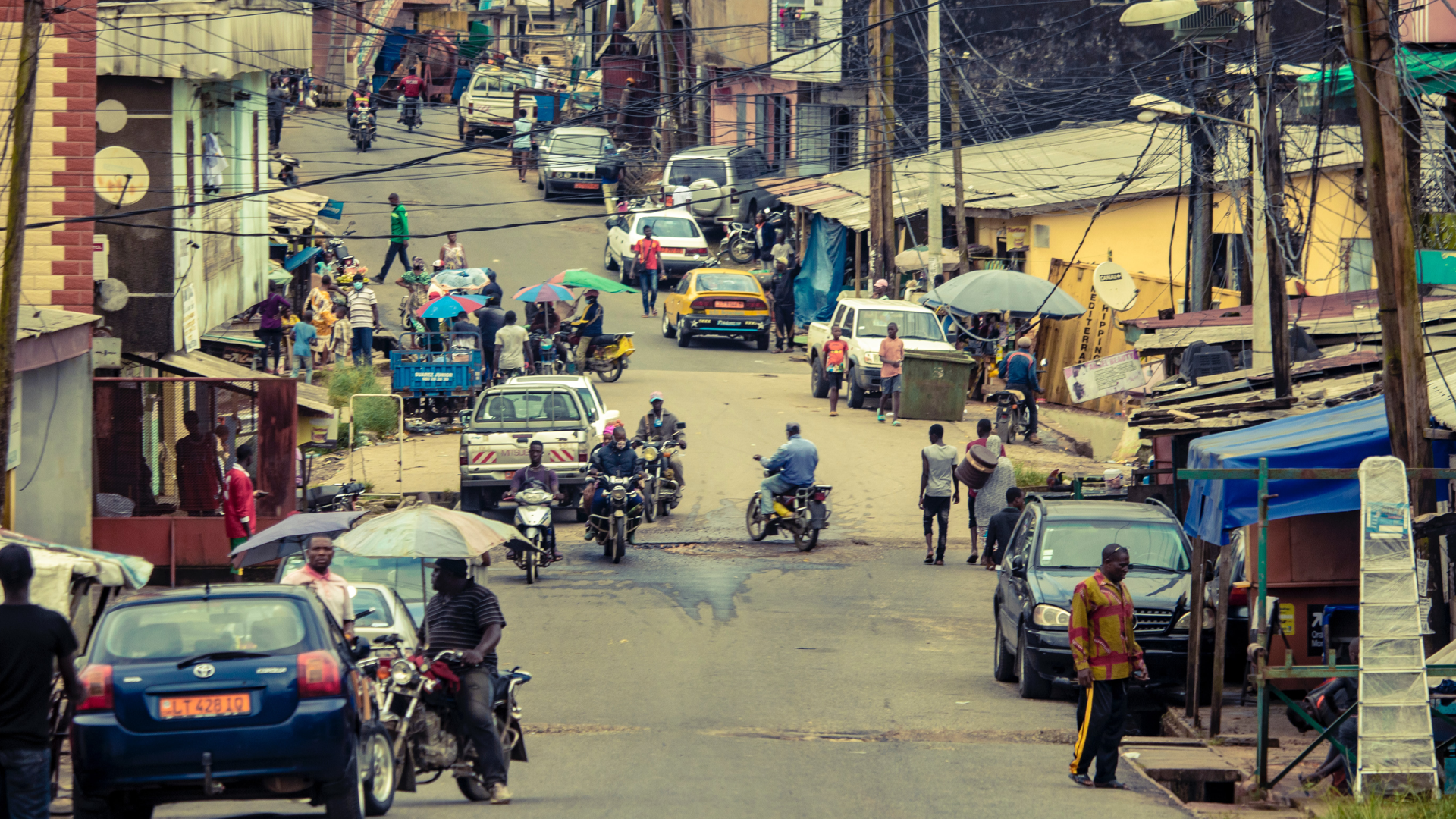
For four decades, Cameroon has been ruled by one party. More than 65% of its population have never known any other. President Paul Biya’s regime has led to widespread instability in Cameroon.
Cameroon has been ruled by 89-year-old President Paul Biya for over 40 years. He is the oldest and second-longest serving head of state in Africa.
The country has had only two presidents since gaining its independence from France in 1960. Biya came to power in 1982 after a seven-year tenure as the country’s Prime Minister.
He succeeded the late President Ahmadou Ahidjo, who had ruled Cameroon since its independence.
Almost every young person has only known of Paul Biya.
Biya, who will be turning 90 early next year, has faced widespread criticism from Cameroonian citizens for his authoritarian rule and corruption that has weakened the country’s political, social, and economic system plaguing his government.
Since the summer, Biya has not been seen in public and local reports indicate it might be because of health concerns.
Despite calls from opposition and activists for political reform and greater democracy, the president has remained entrenched, using security forces and other instruments of state power to suppress the opposition and maintain his grip.
Biya survived the country’s first coup attempt in 1984 and has ruled with an iron fist since.
He is accused of appointing his members of the southern Beti ethnic group, which has quickly grown to dominate senior government positions and the prime minister’s office. Cameroonian’s Gen Z have been particularly impacted by a political situation led by older elites.
Many young people have grown up in an environment where political opposition is suppressed, and free speech is heavily restricted.
As a result, they have been unable to freely express their opinions or engage in political discourse. In recent years, young people have begun to demand change through online activism and street protests.
While these protests have been met with fierce repression by the government, they have also sparked a renewed sense of hope and determination.
With the challenges they face, Cameroonian youths are skeptical toward promises of a better tomorrow through employment and empowerment programs.
Gen Z have been calling for a new generation of leaders to be more responsive to the needs and concerns of the people. A more democratic and prosperous Cameroon will enhance human rights and play a crucial role in shaping the direction of the country for the future generation.
Despite the country having a diverse economy, with industries ranging from agriculture to oil and gas production, corruption and mismanagement have hampered development and left many citizens in poverty.
A separatist movement in the country’s English-speaking regions has led to violent clashes with government forces, and the Boko Haram terrorist group has carried out attacks at the far north Nigeria border.
These challenges have not shown Biya signs of relinquishing power and was even elected to another seven-year term as President in the 2018 elections.
Biya has been accused of human rights abuses, including torture and arbitrary detention. Critics have further pointed to the lack of political freedom, as opposition parties are often shut out of the political process.
I’m Derrick (He/Him), a Journalism and Mass Communication graduate from the Technical University of Mombasa, Kenya. Currently I write about trending topics and major issues affecting Africa for Thred, specifically concerning SDGs. View my Twitter here if you’d like to send me feedback.
The alleged incident took place on university grounds in 2024. Cornell has yet to comment publicly.
On Tuesday, the names and faces of seven Cornell University students flooded the internet. They were all young men. And they were all allegedly involved in the gang rape of a woman on campus in 2024.
Jane Doe initially came forward shortly after the incident was said to have happened, telling Cornell University Police on...
Experts suggest the disappearance of London’s iconic red buses will hit the poorest the hardest.
Like most major cities, London is built on a sprawling public transport system. Boasting the tube, black cabs and an iconic route of red bus services, England’s capital is one of the most famous and efficient transport hubs in the world. But experts warn it’s at risk of rapid decline.
Outside of zone 1, red buses...
Alleged victims will be granted new measures including private entrances and waiting rooms, along with specialist ‘trauma-enforced training’ for court staff.
Andy Burnham has announced the rollout of new specialist rape courts in England and Wales, building on measures that are currently only available in limited locations.
At least one courtroom in every Crown Court will be dedicated to handling rape and cases involving serious sexual offences over the next...
From cutting student loans to stopping small boats, Reform UK used its 2026 conference to tell Britain what its first 100 days in government could look like. But behind the pledges, protests and political drama, what did the conference actually mean for Gen Z?
If there was one message Reform UK wanted people to leave Birmingham with, it was this: we are preparing for government.
Its 2026 annual conference at Birmingham’s...
We use cookies to ensure that we give you the best experience on our website. If you continue to use this site we will assume that you are happy with it.






























 0 comments