






 0 comments
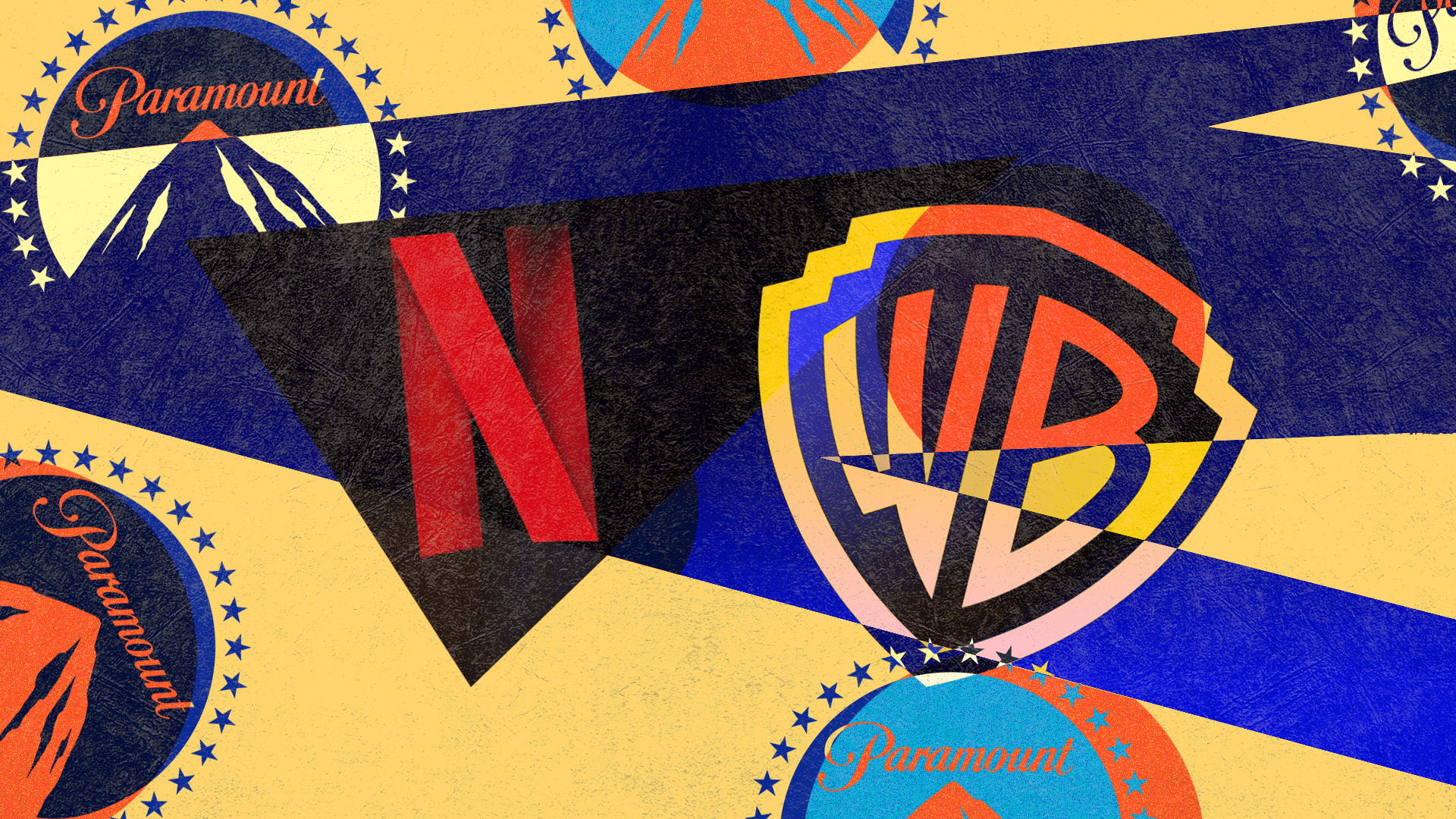
Netflix had agreed a deal with Warner Bros to land its studio and streaming assets for $83 billion. That could soon be off the table, however, with the news that Paramount has just proposed an offer of $108.4 billion for the entire company.
Can you hear that? That’s the sound of heads planting the meeting table at Netflix HQ.
The biggest news of the weekend suddenly may not be so newsworthy. Netflix’s proposed takeover of Warner Bros studios and streaming assets for roughly $83 billion is now potentially in jeopardy thanks to a late – but not exactly surprising – challenge from Paramount.
In the last hour, Paramount has attempted to scupper negotiations by tabling a massive $108.4 billion: the key difference in this case being that the streaming giant would take on its traditional television networks too. Overall, it works out at roughly $30 per share, to Netflix’s $27.75.
There’s currently no indication that Netflix and Warner Bros are on the cusp of bonfiring their deal, but Paramount chief David Ellison is imploring the pair to abort their mission to formulate ‘new spin offs’ of established networks. Not only is he claiming the agreed partnership is ‘anti-competitive’, he also believes that Warner Bros shareholders will suffer.
Ellison is reportedly in frantic conversations with Donald Trump about Netflix’s attempt to bottleneck the streaming industry, and the President has expressed his own concerns about the competition being ousted, given Netflix already has roughly four times the screen time in US households than Paramount.
Though it will never espouse it in statements to the public or Warner Bros shareholders, it appears this is Netflix’s bold play to lock in its dominance. Company revenue is up 16% since 2024 driven by subscription hikes, ad supported plans, and major additions in Stranger Things and KPop Demon Hunters.
It now wants to hoover up the critically acclaimed libraries of HBO, DC Studios, and Motion Picture Corp, including the behemoth franchises of Harry Potter, Batman, and Wonder Woman. HBO Max and Discovery+ would be part of that package too.
Netflix’s vision of an all encompassing one-stop-shop for streaming doesn’t include Warner Bros legacy TV networks, which Paramount wishes to account for in its significantly loftier offer. In essence, Netflix wants to cherry pick the crown jewels while neglecting the less profitable cable business, while Paramount is offering WB a business as usual deal for more cash up front.
The catch is, if Netflix’s share price continues to soar, the long game with the red N could prove far more profitable.